blog

Browse all articles in the "blog" category.

Why Bile Acid Research Is Transforming Modern Biomedical Science

Showing 25–36 of 131 articles

Why Cluster Search Engines Are the Future of Data Retrieval

Why Cluster Search Engines Are the Future of Data Retrieval

In today’s data-driven world, the volume of information generated every second is staggering. From social media interactions and e-commerce transactions to enterprise databases and IoT devices, organizations are constantly dealing with massive datasets.

Traditional search systems often struggle to keep up with this scale, leading to slower performance and limited accuracy. This is where Cluster Search Engines are stepping in to reshape how data is stored, processed, and retrieved.

Understanding the Shift in Data Retrieval The way businesses handle data has evolved dramatically over the past decade. Earlier, centralized systems were enough to manage structured datasets.

However, modern data environments are more complex, distributed, and dynamic. Companies now require systems that can process large volumes of data quickly while maintaining accuracy and reliability.

Cluster-based search systems address these needs by...

Phytochemicals Definition: The Science Behind Plant-Based Nutrition

Phytochemicals Definition: The Science Behind Plant-Based Nutrition

In recent years, plant-based nutrition has gained significant attention for its role in promoting overall health and preventing chronic diseases.

At the core of this nutritional approach lies a fascinating group of naturally occurring compounds known as phytochemicals. Understanding the phytochemicals definition is essential for anyone looking to make informed dietary choices and improve their well-being.

What Are Phytochemicals? To begin with, the phytochemicals definition refers to bioactive compounds found in plants that contribute to their color, flavor, and resistance to diseases.

Unlike essential nutrients such as vitamins and minerals, phytochemicals are not required for survival. However, they play a crucial role in supporting human health by offering protective and therapeutic benefits.

These compounds are present in fruits, vegetables, grains, legumes, nuts, and seeds. From the vibrant red of tomatoes...

IROA-Peaks

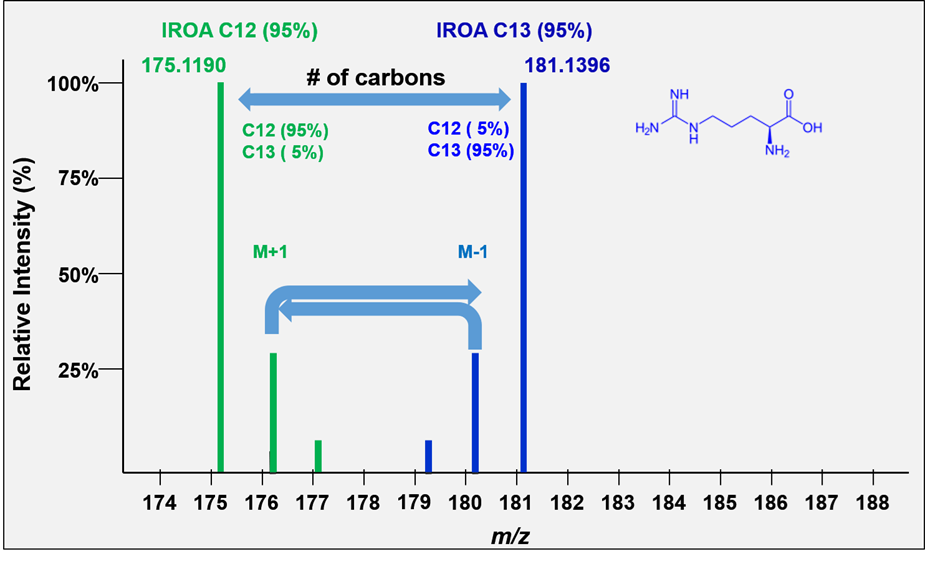
How Isotopic Envelopes Enhance Precision Based in Metabolomics

Modern metabolomics relies heavily on precision—both in identifying molecules and accurately quantifying them within complex biological samples. One of the most advanced approaches enabling this level of accuracy is Isotopic Ratio Outlier Analysis (IROA).

At the heart of this methodology lies a powerful concept known as isotopic envelopes, which significantly improves both identification and quantitation in mass spectrometry-based studies.

In this blog, we'll explore how IROA works, the science behind isotopic labeling, and how isotopic envelopes contribute to enhanced precision in metabolomics.

Understanding IROA: A Smarter Approach to Metabolomics IROA is designed to create distinct molecular signatures within a biological sample by incorporating stable carbon isotopes (12C and 13C) into molecules at controlled ratios.

Typically, one population of molecules is labeled with approximately 5% 13C, while another is labeled with...

Exploring the Benefits of an Organic Acid Library in Chemical Innovation

Exploring the Benefits of an Organic Acid Library in Chemical Innovation

In today’s fast-evolving scientific landscape, chemical innovation plays a central role in shaping industries ranging from pharmaceuticals to agriculture and environmental science.

Researchers are constantly seeking tools and resources that can accelerate discovery, improve accuracy, and reduce development time. One such valuable resource is an Organic Acid Library, which has emerged as a powerful asset in modern laboratories.

Companies like IROA Technologies are at the forefront of providing advanced solutions that help scientists streamline their workflows and gain deeper insights into complex chemical systems.

By leveraging well-curated compound collections, researchers can significantly enhance both the efficiency and reliability of their work. What Is an Organic Acid Library?

An Organic Acid Library is a curated collection of organic acid compounds that are systematically organized for research and testing purposes.

These libraries...

What Is an Isotopic Envelope

How the Isotopic Envelope Helps Identify Molecules Accurately Act

In the world of modern science, identifying molecules with precision is essential for breakthroughs in healthcare, environmental studies, and biotechnology.

One of the most powerful tools scientists rely on for this purpose is mass spectrometry. While this technique may sound complex, one of its most fascinating aspects—the isotopic envelope—plays a crucial role in making molecular identification highly accurate.

In this blog, we’ll break down this concept in simple terms and explore how it helps scientists achieve reliable results in analytical chemistry.

  What Is an Isotopic Envelope? Every chemical element exists in different forms known as isotopes. These isotopes have the same number of protons but different numbers of neutrons, which means they have slightly different masses.

When a molecule is analyzed using mass spectrometry, it doesn’t appear as a...

Core Components of a Mass Spectrometer

The Role of Metabolite Analyzers in Advancing Precision Medicine

Precision medicine is transforming the healthcare landscape by shifting from a one-size-fits-all approach to more personalized treatment strategies. Instead of relying solely on generalized data, clinicians and researchers now focus on individual variability in genes, environment, and lifestyle.

One of the key technologies enabling this shift is metabolite analysis. By studying small molecules within cells, tissues, and biofluids, scientists can gain deep insights into a patient’s health status.

This is where metabolite analyzers play a crucial role. Understanding Precision Medicine Precision medicine aims to tailor medical treatment to the individual characteristics of each patient.

It involves integrating data from genomics, proteomics, and metabolomics to create a comprehensive picture of health and disease. While genetic information provides a blueprint, metabolites reflect real-time physiological changes, making them highly valuable for diagnosis and...

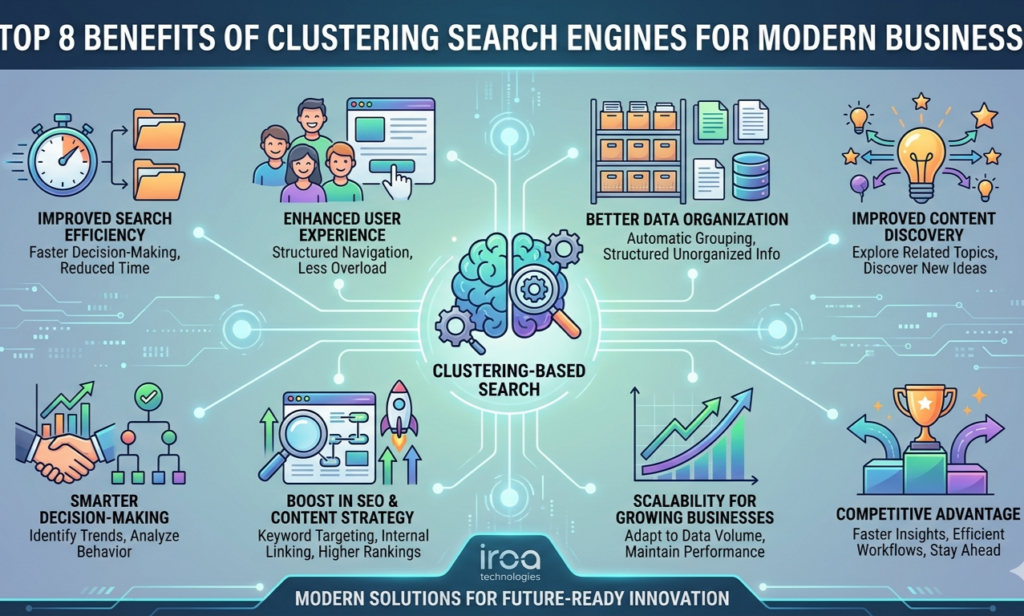
Top Advantages of Clustering Search Engines for Modern Businesses.

Top Advantages of Clustering Search Engines for Modern Businesses

In today's fast-paced digital world, businesses are constantly looking for smarter ways to organize and access information. Traditional search engines have served us well, but as data continues to grow exponentially, the need for more intelligent systems has become critical.

This is where clustering search engines come into play. Unlike conventional search methods that simply list results, clustering-based systems group similar information together, making it easier for users to find exactly what they need.

For modern businesses, this approach is not just a technological upgrade—it's a strategic advantage. In this blog, we'll explore the top benefits of clustering-based search systems and why companies like IROA Technologies are paying close attention to this innovation.

What Are Clustering Search Engines? Before diving into the advantages, it's important to understand the concept. Clustering...

Why the Bile Acids Microbiome Matters for Personalized Medicine

Why the Bile Acids Microbiome Matters for Personalized Medicine and Nutrition

In recent years, the connection between gut health and overall well-being has gained significant attention. While most discussions focus on gut bacteria, a lesser-known yet equally important player is the bile acids microbiome—a dynamic interaction between bile acids and gut microbes that plays a crucial role in regulating metabolism, immunity, and digestion.

Understanding this relationship is opening new doors in personalized medicine and nutrition, offering more precise and effective approaches to health management.

Understanding the Bile Acids–Microbiome Connection Bile acids are produced in the liver and stored in the gallbladder, where they aid in the digestion and absorption of dietary fats.

Once released into the intestine, these compounds undergo chemical transformations by gut bacteria. This interaction creates a complex biochemical network that influences not just digestion, but also metabolic signaling...

peptide-standards

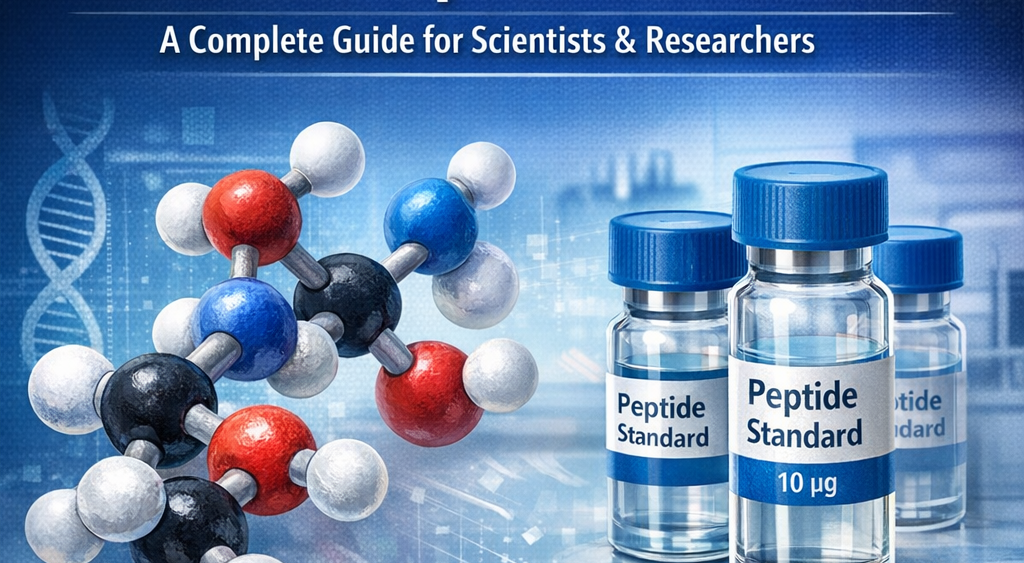
What Are Peptide Standards? A Complete Guide for Scientists and Researchers

In modern biological and chemical research, accuracy is everything. Whether you're studying proteins, analyzing biomarkers, or developing new pharmaceuticals, even the smallest measurement error can impact results.

This is where Peptide Standards play a crucial role. They serve as reliable reference points that help scientists ensure precision, consistency, and reproducibility in their experiments.

In this guide, we'll break down what peptide standards are, why they matter, and how researchers use them across various scientific fields.

What Are Peptide Standards? Peptide standards are synthetic or highly purified peptides used as reference materials in analytical experiments. These standards are designed to mimic naturally occurring peptides in structure and behavior, allowing researchers to compare and validate their experimental data.

They are commonly used in techniques such as mass spectrometry, liquid chromatography, and proteomics...

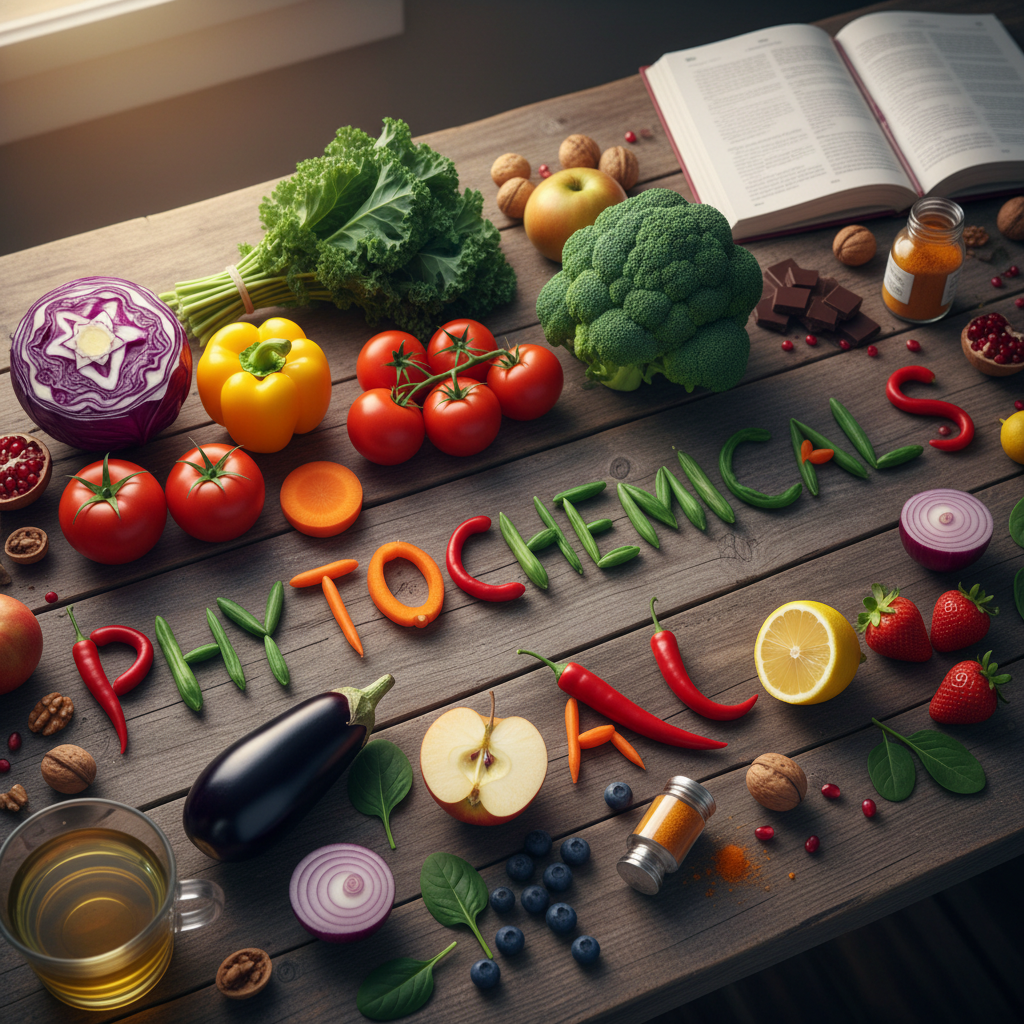
Phytochemicals

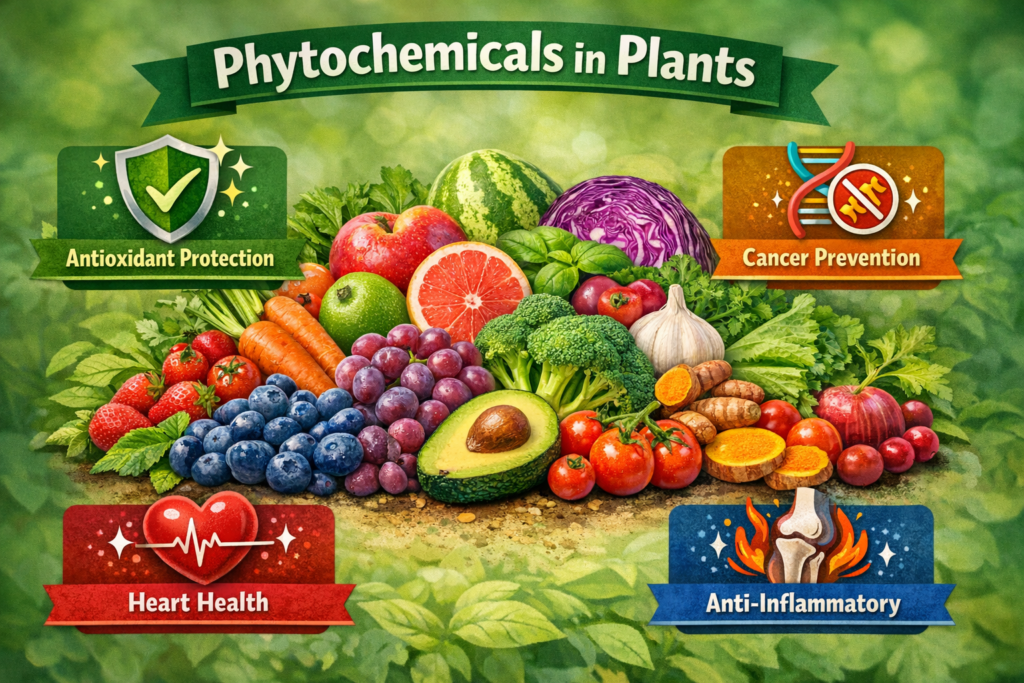
Phytochemicals in Plants: Types, Benefits, and Sources

Have you ever wondered why fruits and vegetables come in such vibrant colors? The answer lies in phytochemicals in plants – nature's incredible compounds that not only give plants their distinctive hues, flavors, and aromas but also offer remarkable health benefits to humans.

These naturally occurring substances represent one of the most fascinating aspects of plant biology and nutrition science. What Are Phytochemicals?

Phytochemicals, derived from the Greek word "phyto" meaning plant, are bioactive compounds that plants produce to protect themselves from environmental stressors such as UV radiation, insects, bacteria, and fungi.

Unlike essential nutrients like vitamins and minerals, phytochemicals aren't required for basic human survival, but research increasingly shows they play crucial roles in disease prevention and overall health optimization.

These powerful compounds act as a plant's natural defense...

Cannabinoid-Standards

Understanding Cannabinoid Standards: A Complete Guide to Quality and Safety

The cannabis industry has experienced unprecedented growth over the past decade, transforming from a niche market into a multi-billion-dollar sector.

As this expansion continues, the importance of cannabinoid standards has become increasingly critical for ensuring product quality, consumer safety, and regulatory compliance.

This comprehensive guide explores everything you need to know about these essential benchmarks that govern the cannabis industry. What Are Cannabinoid Standards?

Cannabinoid standards represent a set of scientifically-backed guidelines and specifications that define the quality, purity, and safety requirements for cannabis-derived products.

These standards encompass various aspects, including potency testing, contaminant screening, labeling accuracy, and manufacturing protocols. These benchmarks serve as the foundation for regulatory frameworks worldwide, helping to establish consistency across different markets and ensuring that consumers receive products that meet specific quality criteria.

Without these...

Phytochemicals Definition: Types, Benefits & Examples

Phytochemicals Definition: Types, Benefits & Examples

Have you ever wondered why fruits and vegetables come in such vibrant colors? Or why certain plants have been used for medicinal purposes for thousands of years?

The answer lies in fascinating compounds called phytochemicals—nature's own pharmacy that's been hiding in plain sight on our dinner plates.

What Are Phytochemicals? The phytochemicals definition is quite straightforward: these are naturally occurring chemical compounds found in plants that give them their color, flavor, and natural protection against diseases and pests.

The word "phytochemical" comes from the Greek word phyto, meaning plant. Unlike essential nutrients like vitamins and minerals, phytochemicals aren't required for basic survival, but they play a crucial role in promoting optimal health and preventing chronic diseases.

Think of phytochemicals as nature's multitasking molecules. They serve as a plant's defense system...