
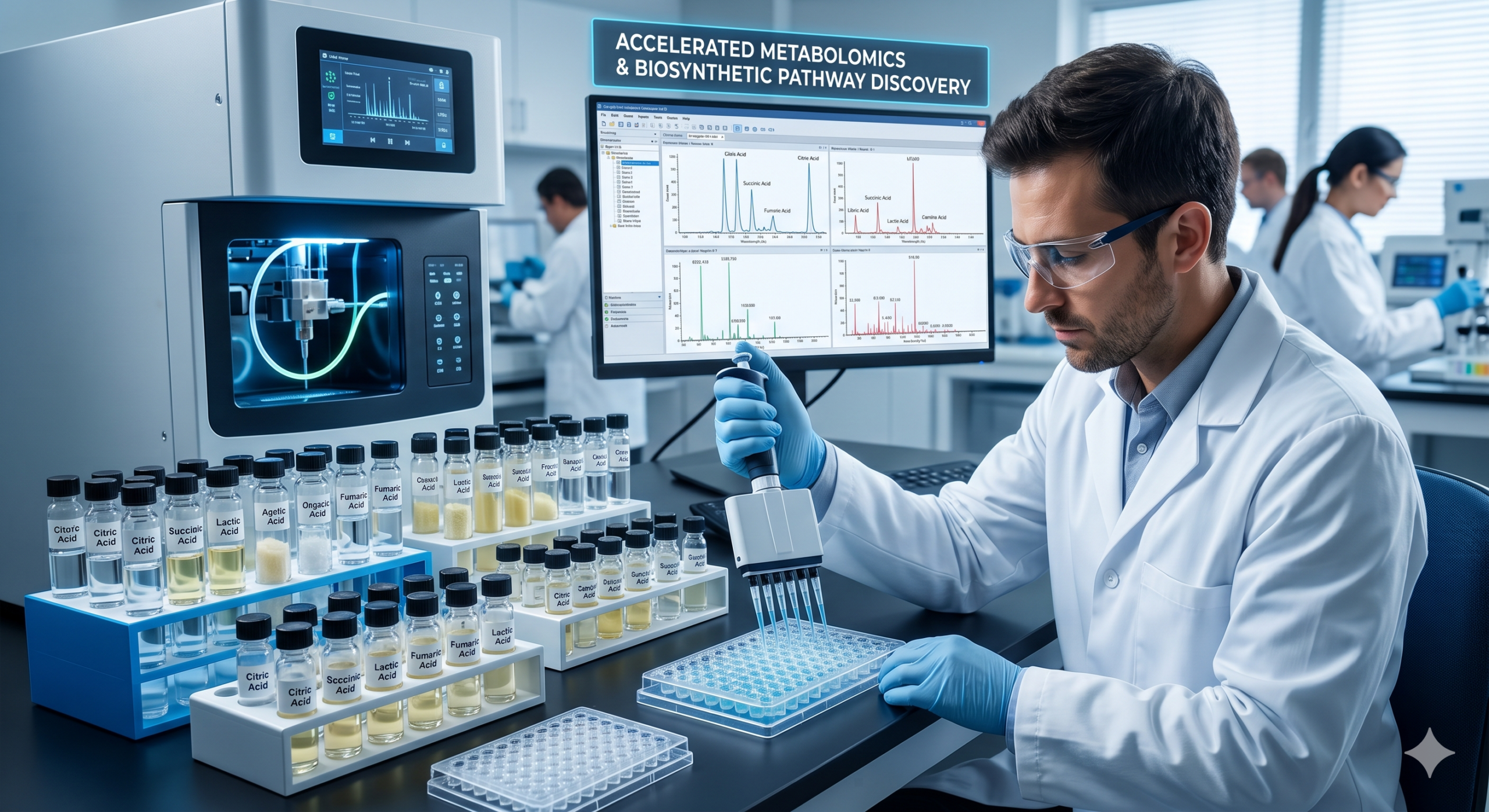
In today’s fast-evolving scientific landscape, chemical innovation plays a central role in shaping industries ranging from pharmaceuticals to agriculture and environmental science. Researchers are constantly seeking tools and resources that can accelerate discovery, improve accuracy, and reduce development time. One such valuable resource is an Organic Acid Library, which has emerged as a powerful asset in modern laboratories.
Companies like IROA Technologies are at the forefront of providing advanced solutions that help scientists streamline their workflows and gain deeper insights into complex chemical systems. By leveraging well-curated compound collections, researchers can significantly enhance both the efficiency and reliability of their work.
What Is an Organic Acid Library?
An Organic Acid Library is a curated collection of organic acid compounds that are systematically organized for research and testing purposes. These libraries are designed to offer a wide variety of structurally diverse acids, enabling scientists to explore chemical reactions, biological pathways, and material properties more effectively.
Organic acids are fundamental to many biological and chemical processes. They play key roles in metabolism, synthesis, and industrial applications. Having access to a comprehensive library allows researchers to experiment with multiple compounds without the need to source each one individually, saving both time and resources.
Accelerating Research and Development
One of the primary benefits of using an Organic Acid Library is the acceleration of research and development processes. Instead of spending valuable time synthesizing or sourcing individual compounds, researchers can quickly access a ready-to-use collection.
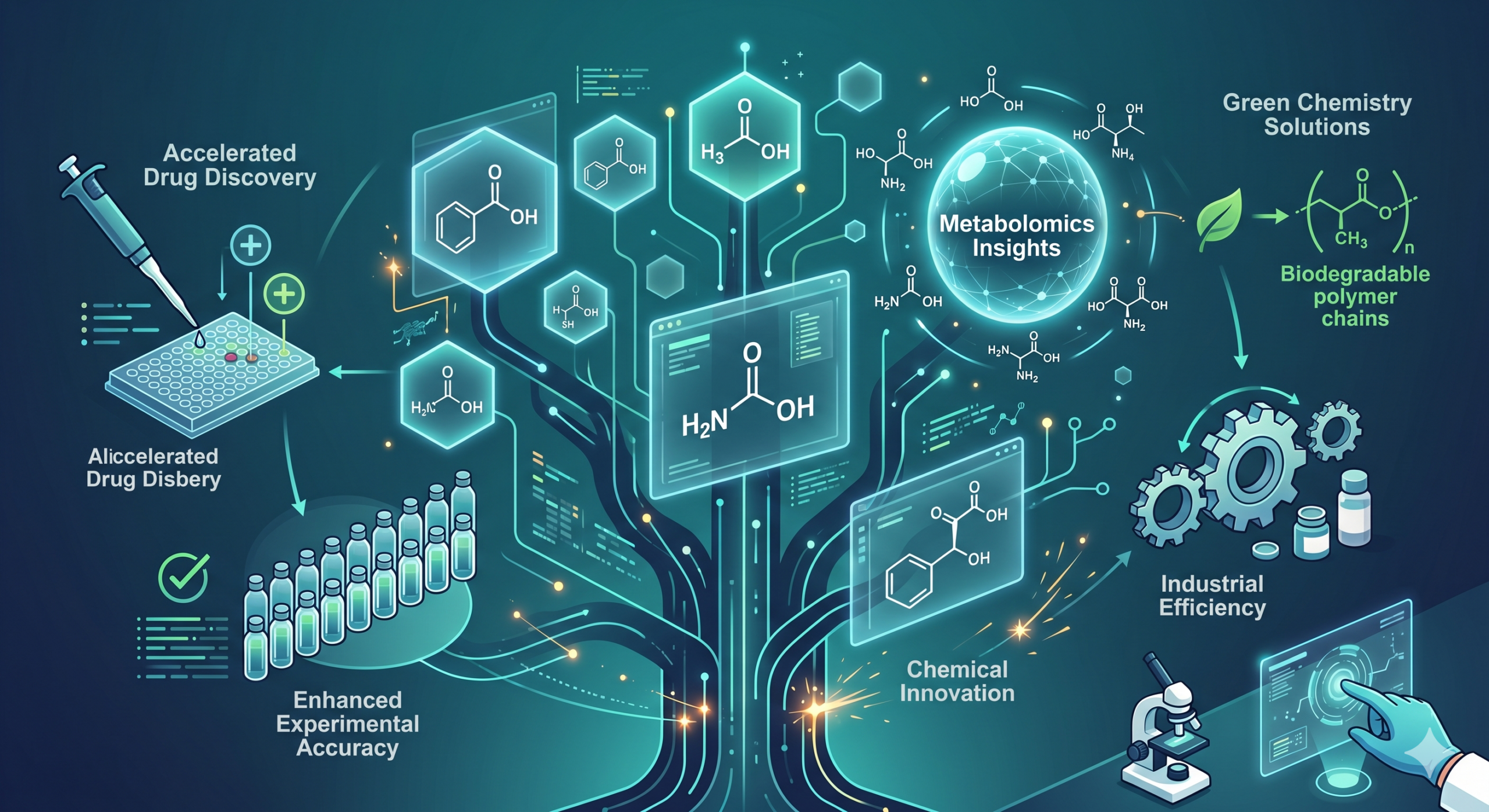
This is particularly beneficial in drug discovery, where time is critical. Scientists can screen multiple compounds simultaneously to identify potential drug candidates or understand metabolic pathways. By reducing the time required for compound preparation, researchers can focus more on analysis and innovation.
Enhancing Experimental Accuracy
Consistency and reproducibility are essential in scientific research. A well-maintained Organic Acid Library ensures that each compound meets strict quality standards. This reduces variability in experiments and improves the reliability of results.
For example, when studying metabolic pathways or enzyme interactions, even slight variations in compound purity can lead to misleading conclusions. Libraries provided by trusted organizations like IROA Technologies help mitigate these risks by offering high-quality, validated compounds.
Supporting Metabolomics and Systems Biology
Metabolomics, the study of small molecules within cells and biological systems, relies heavily on accurate identification and quantification of compounds. Organic acids are among the most important metabolites in biological systems.
An Organic Acid Library enables researchers to compare unknown compounds with known standards, making it easier to identify metabolites and understand their roles. This is crucial for studying diseases, developing therapies, and exploring biological functions at a deeper level.
For more insights into metabolomics and its applications, you can explore this resource:
Driving Innovation in Green Chemistry
Sustainability has become a key focus in chemical research. Organic acids are often used in environmentally friendly processes, such as biodegradable materials and green solvents.
By using a diverse library of organic acids, researchers can identify compounds that are less toxic and more sustainable. This supports the development of greener alternatives to traditional chemicals, reducing environmental impact and promoting safer industrial practices.
Improving Efficiency in Industrial Applications
Beyond academic research, Organic Acid Libraries are also valuable in industrial settings. Industries such as food production, cosmetics, and agriculture rely on organic acids for preservation, formulation, and processing.
Access to a well-organized library allows companies to test different compounds quickly and optimize their formulations. This leads to better product quality and faster time-to-market, giving businesses a competitive edge.
Customization and Scalability
Another important advantage is the ability to customize libraries based on specific research needs. Organizations like IROA Technologies offer tailored solutions that align with particular project requirements.
Whether a researcher needs a focused set of compounds or a broad collection, customizable libraries provide flexibility. As research evolves, these libraries can also be expanded, ensuring long-term usability and relevance.
Reducing Costs and Resource Burden
Building a compound collection from scratch can be both expensive and time-consuming. An Organic Acid Library eliminates the need for extensive synthesis and procurement efforts.
By investing in a pre-curated library, laboratories can significantly reduce operational costs. This is especially beneficial for smaller research teams or startups that may have limited resources but still require high-quality materials.
Enabling Cross-Disciplinary Collaboration
Modern scientific challenges often require collaboration across multiple disciplines. Organic acids are relevant in chemistry, biology, environmental science, and even engineering.
A shared resource like an Organic Acid Library facilitates collaboration by providing a common foundation for research. Teams from different fields can work together more effectively, using the same set of compounds to achieve diverse objectives.
Conclusion
The role of an Organic Acid Library in chemical innovation cannot be overstated. From accelerating research and improving accuracy to supporting sustainability and industrial efficiency, these libraries offer a wide range of benefits.
With companies like IROA Technologies leading the way, researchers now have access to high-quality, customizable solutions that empower them to push the boundaries of science. As the demand for faster and more reliable discoveries continues to grow, the importance of such resources will only increase.
FAQs
- What is the main purpose of an Organic Acid Library?The main purpose is to provide researchers with a curated collection of organic acid compounds for efficient testing, analysis, and discovery.
- How does an Organic Acid Library help in drug development?It allows scientists to quickly screen multiple compounds, identify potential drug candidates, and study metabolic pathways, speeding up the development process.
- Why is compound quality important in these libraries?High-quality compounds ensure accurate and reproducible results, which are critical for reliable scientific research.
- Can Organic Acid Libraries be customized?Yes, many providers, including IROA Technologies, offer customizable libraries tailored to specific research needs.
- Which industries benefit from Organic Acid Libraries?Industries such as pharmaceuticals, biotechnology, agriculture, food production, and environmental science all benefit from their use.