Explore. Discover. Quantify with Confidence.
Comprehensive collections of authentic metabolite standards covering all major biochemical classes for accurate identification and quantitation in metabolomics research.

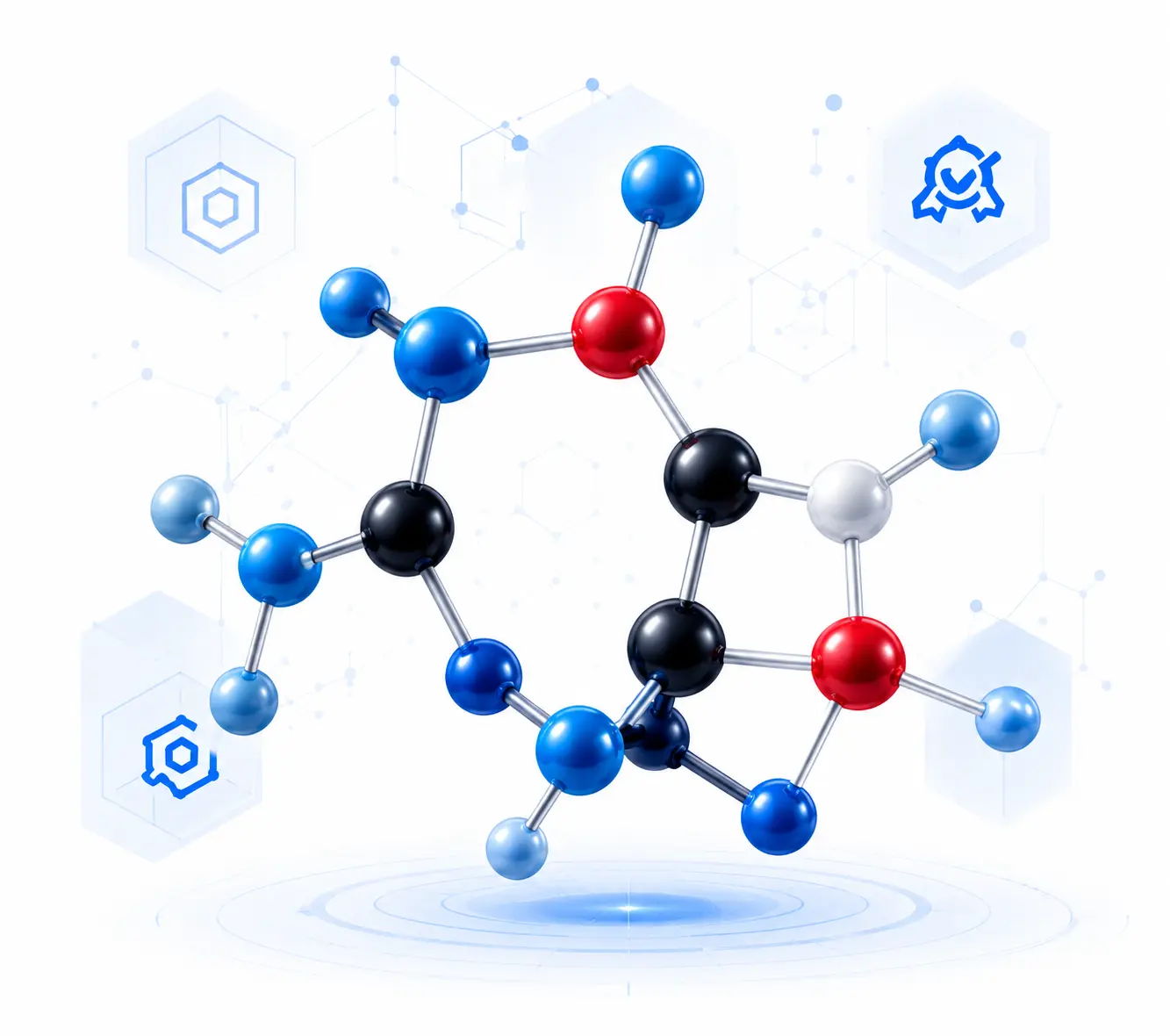
Metabolite Libraries?
Metabolite libraries are curated collections of well-characterized standards used to identify and quantify small molecules in complex biological samples with high confidence.
1000+
High-purity standards
80+
Biochemical classes covered
LC-MS | GC-MS
Platform compatible
Explore Our Metabolite Libraries
Comprehensive collections of authentic metabolite standards covering major biochemical classes for confident identification and quantitative metabolomics.
Amino Acid Library
Proteinogenic and non-proteinogenic amino acids and derivatives.
ExploreBile Acid Library
Primary, secondary, and conjugated bile acids and derivatives.
ExploreFatty Acid Library
Saturated, unsaturated, and modified fatty acids for lipid metabolism.
ExploreOrganic Acid Library
Organic acids, intermediates, and metabolic byproducts for pathway analysis.
ExploreMicrobiome Library
Microbial metabolites and signaling molecules for microbiome research.
ExplorePolyphenol Library
Flavonoids, phenolic acids, and plant polyphenols for natural product research.
ExplorePhytochemical Library
Bioactive plant compounds and nutraceuticals for phytochemical analysis.
ExploreLarge Scale Library
Extensive collection of metabolites for comprehensive metabolomics studies.
ExploreMass Spec Library (MSMLS)
High-quality standards optimized for MS-based metabolomics.
ExploreOncometabolite Library
Cancer-associated metabolites and biomarkers for oncology research.
ExploreFrom Sample to Biological Insights
Follow a streamlined metabolomics workflow that combines LC-MS analysis with authenticated metabolite libraries to accelerate compound identification, improve confidence, and generate meaningful biological insights.
1. Sample Collection
2. LC-MS Analysis
3. Library Matching
4. Confident Identification
5. Biological Insights
Everything You Need to Know About Our Metabolite Libraries
Find answers to common questions about authentic metabolite standards, library coverage, LC-MS compatibility, and selecting the right library for your metabolomics research.
Metabolite libraries are curated collections of authentic reference standards that help researchers accurately identify and quantify metabolites in biological samples. They provide reliable reference data for confident metabolomics analysis.
Authentic standards enable accurate metabolite identification by providing verified retention times, exact masses, and reference compounds. They reduce false identifications and improve reproducibility across experiments.
Our libraries cover a wide range of biochemical classes, including amino acids, bile acids, fatty acids, organic acids, microbiome metabolites, phytochemicals, polyphenols, lipids, and many other biologically important compounds.
Yes. IROA metabolite libraries are designed for modern LC-MS metabolomics workflows and can support applications requiring high-confidence metabolite identification and quantitative analysis.
The best library depends on your research focus. You can choose targeted libraries for specific metabolite classes or comprehensive collections that provide broader metabolome coverage for discovery-based studies.
Yes. Many researchers combine multiple libraries to expand metabolite coverage across different biochemical pathways, improving identification confidence and increasing the number of detectable metabolites.