
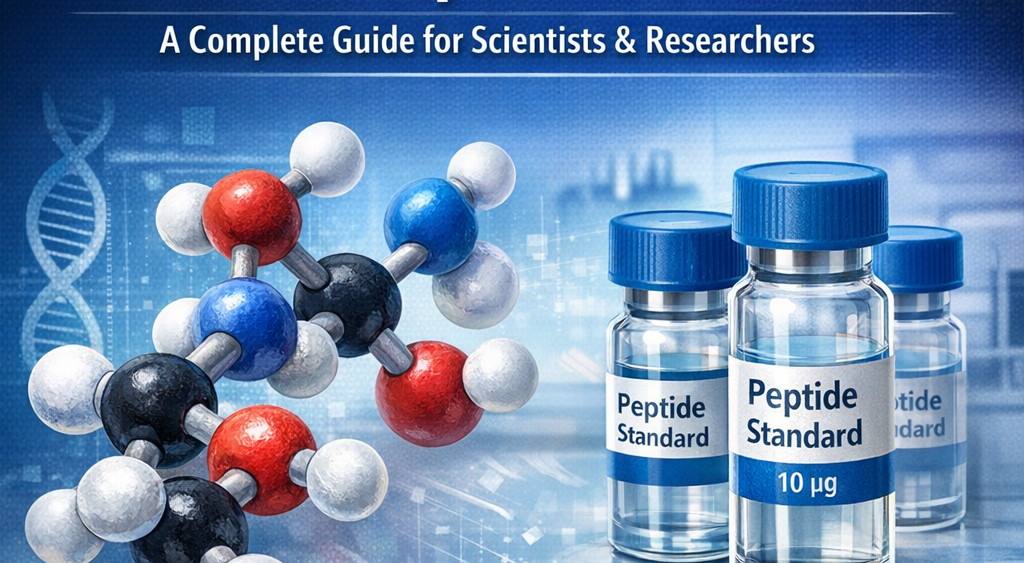
In modern biological and chemical research, accuracy is everything. Whether you’re studying proteins, analyzing biomarkers, or developing new pharmaceuticals, even the smallest measurement error can impact results. This is where Peptide Standards play a crucial role. They serve as reliable reference points that help scientists ensure precision, consistency, and reproducibility in their experiments.
In this guide, we’ll break down what peptide standards are, why they matter, and how researchers use them across various scientific fields.
What Are Peptide Standards?
Peptide standards are synthetic or highly purified peptides used as reference materials in analytical experiments. These standards are designed to mimic naturally occurring peptides in structure and behavior, allowing researchers to compare and validate their experimental data.
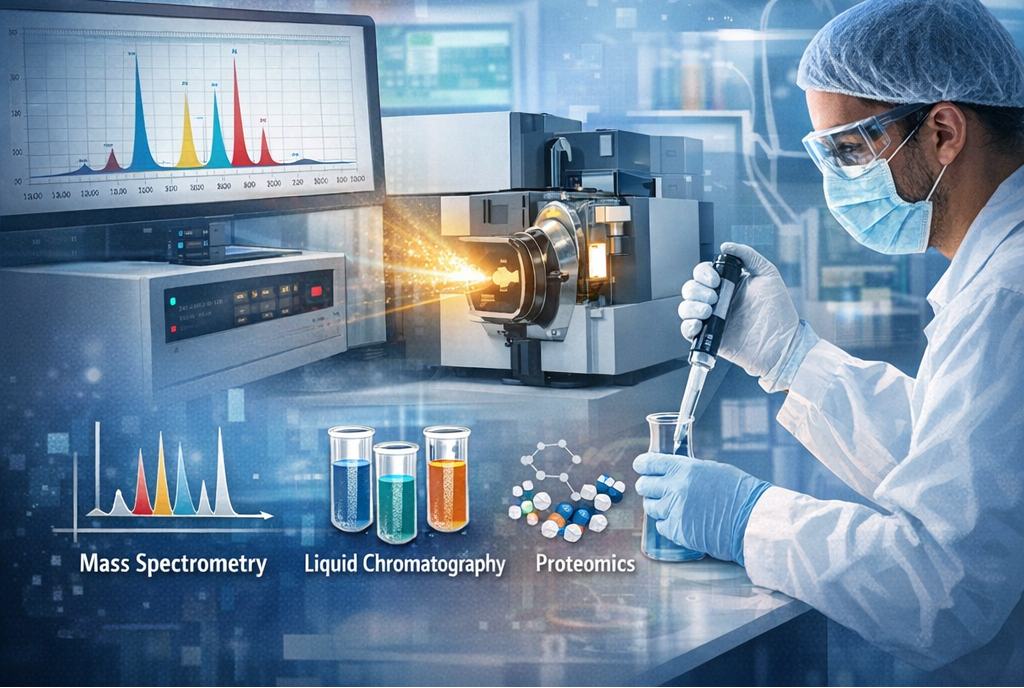
They are commonly used in techniques such as mass spectrometry, liquid chromatography, and proteomics studies. By providing a known quantity and composition, peptide standards help scientists calibrate instruments and verify the accuracy of their measurements.
Why Are Peptide Standards Important?
In research environments, especially those involving complex biological samples, variability can arise from multiple sources—sample preparation, instrument sensitivity, or environmental conditions. Peptide standards help minimize this variability by acting as a consistent benchmark.
Here’s why they are essential:
1. Accuracy and Calibration
Peptide standards allow researchers to calibrate analytical instruments, ensuring that the data generated reflects true values. This is especially critical in quantitative studies.
2. Reproducibility
Scientific experiments must be reproducible to be valid. Using standardized references ensures that results can be replicated across different labs and studies.
3. Quality Control
They act as internal controls, helping researchers identify errors or inconsistencies during analysis.
4. Method Validation
Before applying a new analytical method, scientists use peptide standards to confirm that the method delivers reliable and consistent results.
Types of Peptide Standards
Peptide standards come in different forms depending on the research application. Understanding these types can help scientists choose the right one for their needs.
1. Native Peptide Standards
These are unmodified peptides that closely resemble naturally occurring molecules. They are commonly used in qualitative analysis.
2. Stable Isotope-Labeled Peptides
These peptides are chemically identical to natural peptides but contain isotopic labels (such as carbon-13 or nitrogen-15). They are widely used in quantitative proteomics because they can be easily distinguished during analysis.
3. Custom Peptide Standards
Researchers can design custom peptides tailored to specific experimental requirements. This is particularly useful in targeted studies or drug development.
Applications in Scientific Research
Peptide standards are widely used across various scientific disciplines. Their versatility makes them indispensable in both academic and industrial research settings.
Proteomics
In proteomics, scientists study the structure and function of proteins. Peptide standards help quantify proteins accurately and validate experimental results.
Mass Spectrometry
Mass spectrometry relies heavily on precise measurements. Peptide standards improve signal accuracy and help identify unknown compounds with confidence.
Pharmaceutical Research
Drug development requires rigorous testing and validation. Peptide standards ensure that analytical methods used in drug discovery are reliable and reproducible.
Clinical Diagnostics
In clinical settings, peptide-based biomarkers are used to detect diseases. Standards help ensure that diagnostic tests deliver accurate and consistent results.
For a deeper understanding of proteomics and analytical techniques, you can explore this helpful resource from Nature:
Nature Proteomics Research Collection
Best Practices for Using Peptide Standards
To get the most out of peptide standards, researchers should follow certain best practices:
Proper Storage
Peptides are sensitive to temperature and environmental conditions. Store them at recommended temperatures, typically in a freezer, to maintain stability.
Accurate Preparation
Carefully follow preparation protocols to avoid contamination or degradation. Use high-purity solvents and clean lab equipment.
Calibration and Validation
Regularly calibrate instruments using standards and validate methods before conducting experiments.
Documentation
Keep detailed records of how standards are used, including concentration, storage conditions, and preparation methods. This ensures traceability and reproducibility.
How IROA Technologies Supports Research
At IROA Technologies, the focus is on delivering high-quality analytical solutions that empower researchers to achieve accurate and reproducible results. By integrating advanced technologies with reliable reference materials, the brand supports scientists in overcoming challenges related to variability and data integrity.
Their approach emphasizes precision, innovation, and consistency—key elements that align perfectly with the role of peptide standards in modern research workflows.
Conclusion
Peptide standards are a foundational component of accurate scientific analysis. From calibrating instruments to validating methods and ensuring reproducibility, they provide the consistency researchers need to trust their data.
As research continues to evolve—especially in fields like proteomics, diagnostics, and pharmaceuticals—the importance of reliable standards will only grow. By understanding how to use them effectively, scientists can enhance the quality and credibility of their work.
FAQs
1. What are peptide standards used for?
Peptide standards are used to calibrate instruments, validate analytical methods, and ensure accurate measurement in experiments involving peptides and proteins.
2. Why are peptide standards important in mass spectrometry?
They help improve measurement accuracy, identify compounds, and ensure consistent results across different experiments.
3. What is the difference between native and isotope-labeled peptide standards?
Native peptides are unmodified, while isotope-labeled peptides contain stable isotopes that make them easier to track and quantify in analytical studies.
4. How should peptide standards be stored?
They should typically be stored at low temperatures (such as -20°C or -80°C) and protected from moisture and light to maintain stability.
5. Can peptide standards be customized?
Yes, custom peptide standards can be designed to meet specific research needs, especially in targeted studies or drug development.