
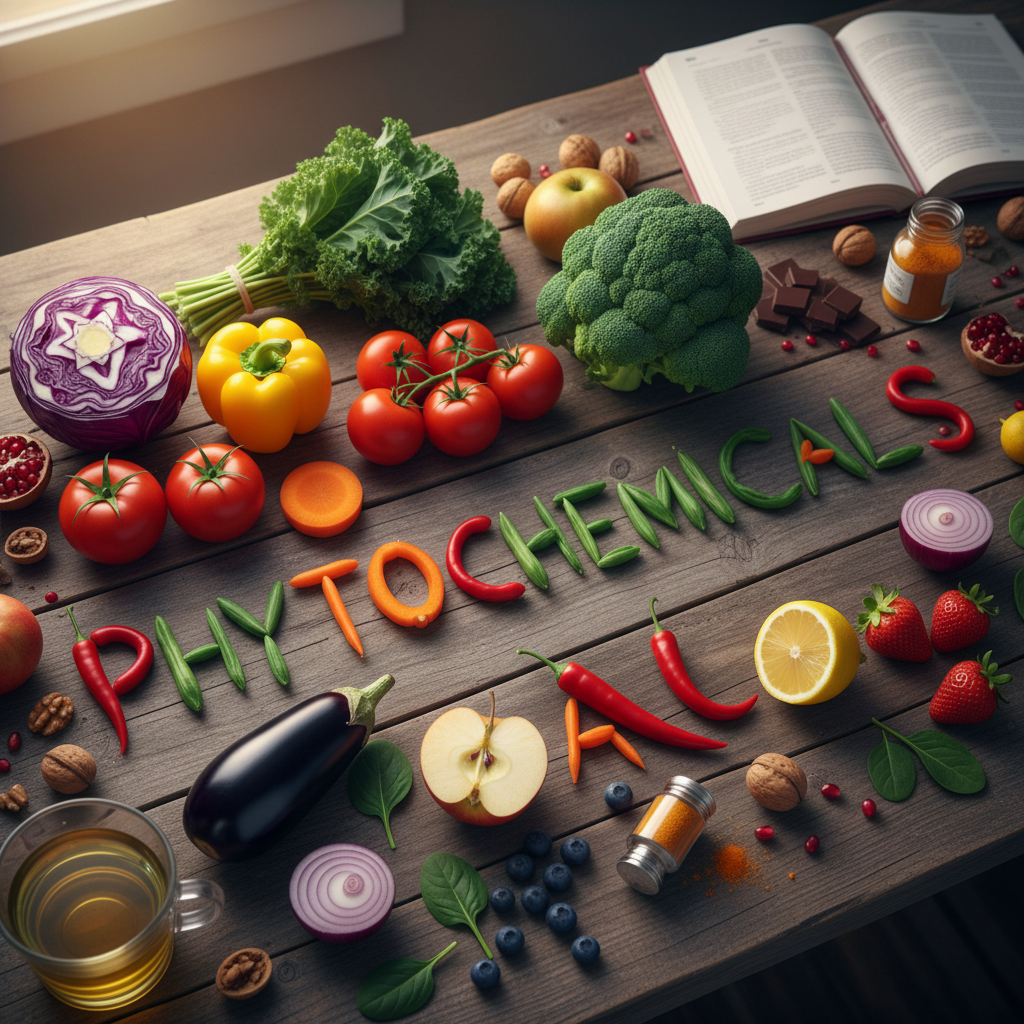
Have you ever wondered why fruits and vegetables come in such vibrant colors? Or why certain plants have been used for medicinal purposes for thousands of years? The answer lies in fascinating compounds called phytochemicals—nature’s own pharmacy that’s been hiding in plain sight on our dinner plates.
What Are Phytochemicals?
The phytochemicals definition is quite straightforward: these are naturally occurring chemical compounds found in plants that give them their color, flavor, and natural protection against diseases and pests. The word “phytochemical” comes from the Greek word phyto, meaning plant. Unlike essential nutrients like vitamins and minerals, phytochemicals aren’t required for basic survival, but they play a crucial role in promoting optimal health and preventing chronic diseases.
Think of phytochemicals as nature’s multitasking molecules. They serve as a plant’s defense system against environmental threats like UV radiation, insects, and bacteria. When we consume these plant foods, we inherit these protective benefits, making phytochemicals powerful allies in our quest for better health.
Major Types of Phytochemicals
Understanding the phytochemicals definition becomes clearer when we explore the main categories.
1. Flavonoids
These are perhaps the most well-known phytochemicals, responsible for the brilliant colors in berries, tea, and red wine. Flavonoids include:
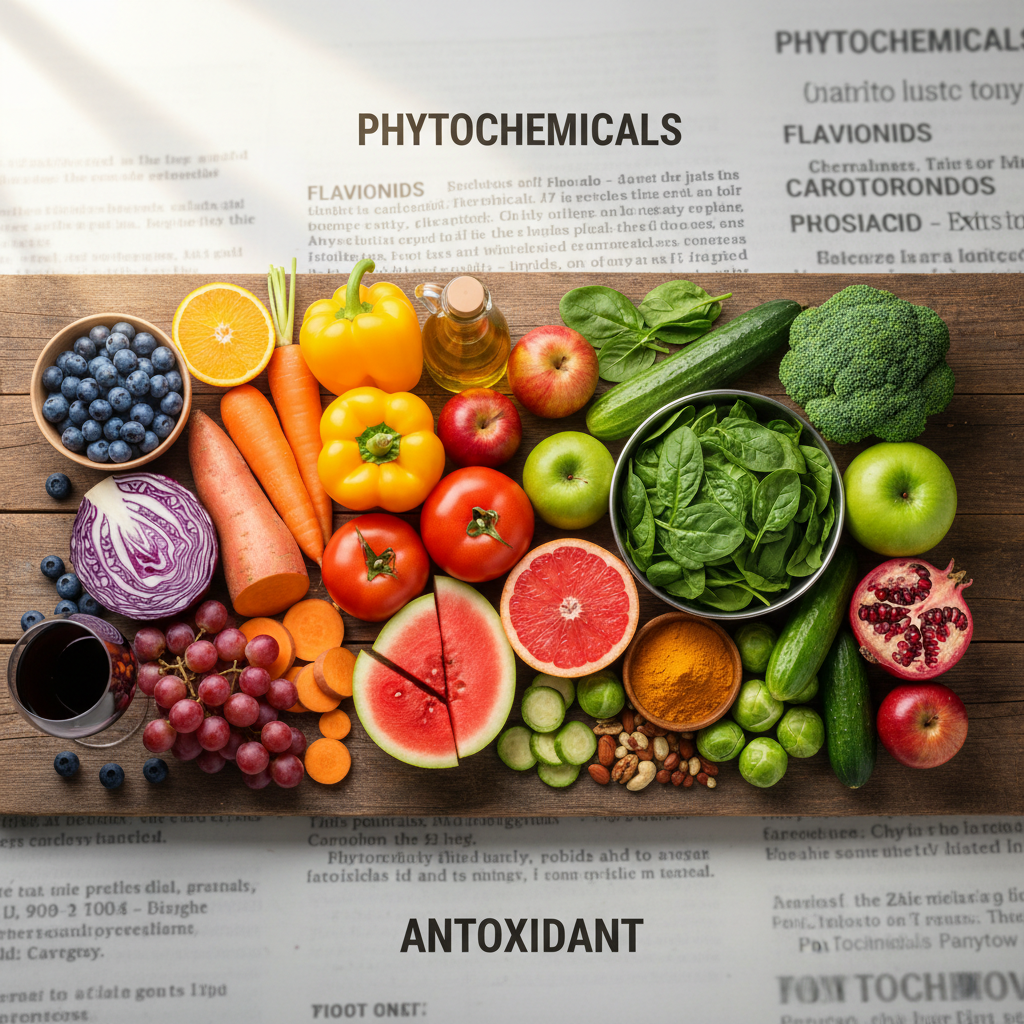
- Anthocyanins: Found in blueberries, cherries, and red cabbage
- Quercetin: Present in onions, apples, and green tea
- Catechins: Abundant in tea, especially green tea
2. Carotenoids
These pigments create the orange, yellow, and red colors in many fruits and vegetables.
- Beta-carotene: Carrots, sweet potatoes, spinach
- Lycopene: Tomatoes, watermelon, pink grapefruit
- Lutein and Zeaxanthin: Leafy greens, corn, egg yolks
3. Polyphenols
This large group includes:
- Resveratrol: Found in grapes, berries, and peanuts
- Curcumin: The active compound in turmeric
- Ellagic acid: Present in pomegranates and berries
4. Glucosinolates
These sulfur-containing compounds are found in cruciferous vegetables such as broccoli, cabbage, and Brussels sprouts.
5. Phytosterols
Plant compounds that structurally resemble cholesterol, found in nuts, seeds, and vegetable oils.
Health Benefits of Phytochemicals
Research on phytochemicals continues to expand, revealing impressive health benefits.
Antioxidant Protection
Many phytochemicals act as powerful antioxidants, neutralizing harmful free radicals that can damage cells and contribute to aging and disease development.
Heart Health Support
Studies show that flavonoids can help reduce blood pressure, improve blood flow, and lower the risk of heart disease. The polyphenols in red wine and dark chocolate have been particularly well studied for their cardiovascular benefits.
Cancer Prevention
Certain phytochemicals may help prevent cancer by:
- Blocking the formation of cancer-causing substances
- Stimulating enzymes that detoxify carcinogens
- Supporting the immune system’s ability to fight abnormal cells
Anti-Inflammatory Effects
Chronic inflammation is linked to numerous health problems. Phytochemicals such as curcumin and quercetin have demonstrated significant anti-inflammatory properties.
Brain Health
Some phytochemicals can cross the blood-brain barrier and may help protect against neurodegenerative diseases such as Alzheimer’s and Parkinson’s disease.
Practical Examples in Your Diet
Incorporating phytochemicals into your daily routine is easier than you might think.
Breakfast: Add berries (anthocyanins) to your oatmeal and drink green tea (catechins).
Lunch: Include a colorful salad with spinach (lutein), tomatoes (lycopene), and red onions (quercetin).
Dinner: Enjoy salmon with roasted broccoli (glucosinolates) and sweet potatoes (beta-carotene).
Snacks: Choose nuts (phytosterols), dark chocolate (flavonoids), or an apple (quercetin).
At IROA Technologies, we understand the importance of translating scientific knowledge into practical health solutions that people can easily implement in their daily lives.
The key is variety—aim to “eat the rainbow” by including fruits and vegetables of different colors throughout your day. Each color typically represents different types of phytochemicals, so a diverse diet ensures you’re getting a wide spectrum of these beneficial compounds.
For more detailed information about specific phytochemicals and their health benefits, explore the Linus Pauling Institute’s Micronutrient Information Center.
Frequently Asked Questions (FAQs)
1. Are phytochemical supplements as effective as getting them from whole foods?
While supplements can be beneficial, research consistently shows that whole foods provide superior benefits. The complex interactions between different compounds in whole foods create synergistic effects that isolated supplements cannot replicate.
2. How many servings of fruits and vegetables do I need to get enough phytochemicals?
The general recommendation is to consume at least 5–9 servings of fruits and vegetables daily, with an emphasis on variety. Different plants contain different phytochemicals, so diversity is key.
3. Can cooking destroy phytochemicals?
Some phytochemicals are heat-sensitive and may decrease during cooking, while others become more bioavailable. For example, lycopene in tomatoes increases with cooking, whereas vitamin C decreases. A combination of raw and cooked vegetables is ideal.
4. Are there any risks associated with consuming phytochemicals?
Phytochemicals obtained from whole foods are generally safe for most people. However, concentrated supplements may interact with medications or cause adverse effects when taken in large doses. Always consult a healthcare professional before starting new supplements.
5. Do organic foods contain more phytochemicals?
Some studies suggest that organic produce may contain slightly higher levels of certain phytochemicals, possibly because plants produce more defensive compounds without synthetic pesticides. However, the difference is generally small, and conventionally grown produce still provides significant health benefits.