

In recent years, plant-based nutrition has gained significant attention for its role in promoting overall health and preventing chronic diseases. At the core of this nutritional approach lies a fascinating group of naturally occurring compounds known as phytochemicals. Understanding the phytochemicals definition is essential for anyone looking to make informed dietary choices and improve their well-being.
What Are Phytochemicals?
To begin with, the phytochemicals definition refers to bioactive compounds found in plants that contribute to their color, flavor, and resistance to diseases. Unlike essential nutrients such as vitamins and minerals, phytochemicals are not required for survival. However, they play a crucial role in supporting human health by offering protective and therapeutic benefits.
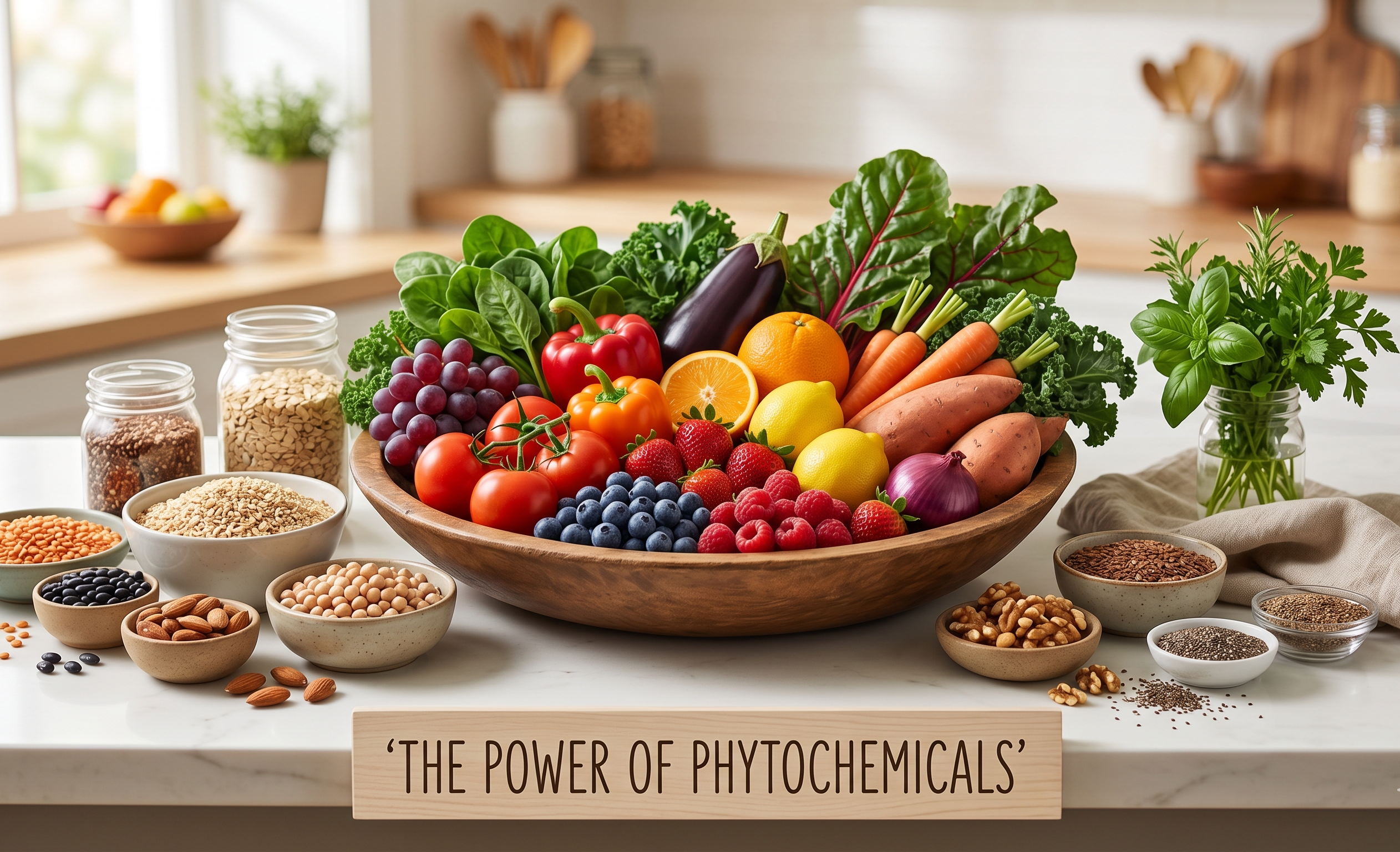
These compounds are present in fruits, vegetables, grains, legumes, nuts, and seeds. From the vibrant red of tomatoes to the deep green of spinach, phytochemicals are responsible for the diverse colors and properties of plant-based foods.
Types of Phytochemicals
Phytochemicals are a broad category, encompassing thousands of compounds. Some of the most well-known groups include:
- Flavonoids: Found in berries, tea, and citrus fruits, these compounds are known for their antioxidant properties.
- Carotenoids: Present in carrots, sweet potatoes, and pumpkins, they support eye health and immune function.
- Alkaloids: These compounds often have medicinal properties and are found in plants like potatoes and tomatoes.
- Sulfur-containing compounds: Found in garlic, onions, and cruciferous vegetables, they are linked to detoxification processes in the body.
Each type of phytochemical offers unique health benefits, making a varied diet essential for maximizing their effects.
The Science Behind Phytochemicals
From a scientific perspective, phytochemicals interact with the body at the cellular level. They act as antioxidants, neutralizing harmful free radicals that can damage cells and lead to chronic diseases such as cancer, heart disease, and diabetes.
In addition to their antioxidant activity, phytochemicals also:
- Support immune function
- Reduce inflammation
- Regulate hormone levels
- Enhance detoxification enzymes
Research continues to uncover how these compounds influence gene expression and cellular signaling pathways. This growing body of evidence highlights the importance of plant-based foods in maintaining long-term health.
Health Benefits of Phytochemicals
A deeper understanding of the phytochemicals definition reveals why these compounds are so valuable. Some of the key health benefits include:
1. Disease Prevention
Phytochemicals help reduce the risk of chronic illnesses by protecting cells from oxidative stress and inflammation.
2. Improved Heart Health
Certain phytochemicals, such as flavonoids, improve blood circulation and reduce blood pressure, contributing to cardiovascular health.
3. Enhanced Immune Function
By supporting the immune system, phytochemicals help the body fight infections and recover more efficiently.
4. Cancer Protection
Some phytochemicals have been shown to inhibit the growth of cancer cells and promote their destruction.
5. Better Digestive Health
Compounds found in plant foods can support gut health by promoting beneficial bacteria and improving digestion.
Sources of Phytochemicals
To fully benefit from phytochemicals, it is important to include a wide variety of plant-based foods in your diet. Some excellent sources include:
- Fruits: berries, apples, oranges, grapes
- Vegetables: broccoli, spinach, kale, carrots
- Whole grains: oats, brown rice, quinoa
- Legumes: lentils, chickpeas, beans
- Nuts and seeds: almonds, flaxseeds, sunflower seeds
A colorful plate is often a good indicator of a phytochemical-rich meal. The more diverse your food choices, the greater the range of beneficial compounds you consume.
Role of Technology in Phytochemical Research
Advancements in analytical technologies have significantly improved our understanding of phytochemicals. Companies like iroa technologies are at the forefront of this innovation, providing tools that help researchers identify and quantify these complex compounds with precision.
Such technologies enable scientists to explore how phytochemicals interact within biological systems, paving the way for new discoveries in nutrition and medicine.
Why Phytochemicals Matter in Modern Diets
Modern diets often rely heavily on processed foods, which tend to lack essential phytochemicals. This shift has contributed to an increase in lifestyle-related diseases. Incorporating more plant-based foods into daily meals can help restore balance and provide the body with the compounds it needs to function optimally.
Understanding the importance of phytochemicals encourages individuals to move beyond calorie counting and focus on the quality and diversity of their food.
External Resource
For further reading on plant-based nutrition and phytochemicals, you can visit:
https://www.hsph.harvard.edu/nutritionsource/what-should-you-eat/
Conclusion
Phytochemicals are a vital component of plant-based nutrition, offering a wide range of health benefits that go beyond basic nutrition. By understanding their role and incorporating a variety of plant foods into your diet, you can support your overall health and reduce the risk of chronic diseases.
As research continues to evolve, the significance of phytochemicals in promoting wellness becomes increasingly clear. Embracing a diet rich in these natural compounds is a simple yet powerful step toward a healthier life.
FAQs
1. What is the simple definition of phytochemicals?
Phytochemicals are natural compounds found in plants that help protect against diseases and support overall health.
2. Are phytochemicals essential nutrients?
No, they are not essential like vitamins or minerals, but they provide significant health benefits.
3. Which foods are highest in phytochemicals?
Fruits, vegetables, whole grains, legumes, nuts, and seeds are rich sources of phytochemicals.
4. Can phytochemicals help prevent diseases?
Yes, they have antioxidant and anti-inflammatory properties that help reduce the risk of chronic diseases.
5. How can I increase phytochemicals in my diet?
Eat a variety of colorful plant-based foods daily to ensure a wide range of phytochemicals.