
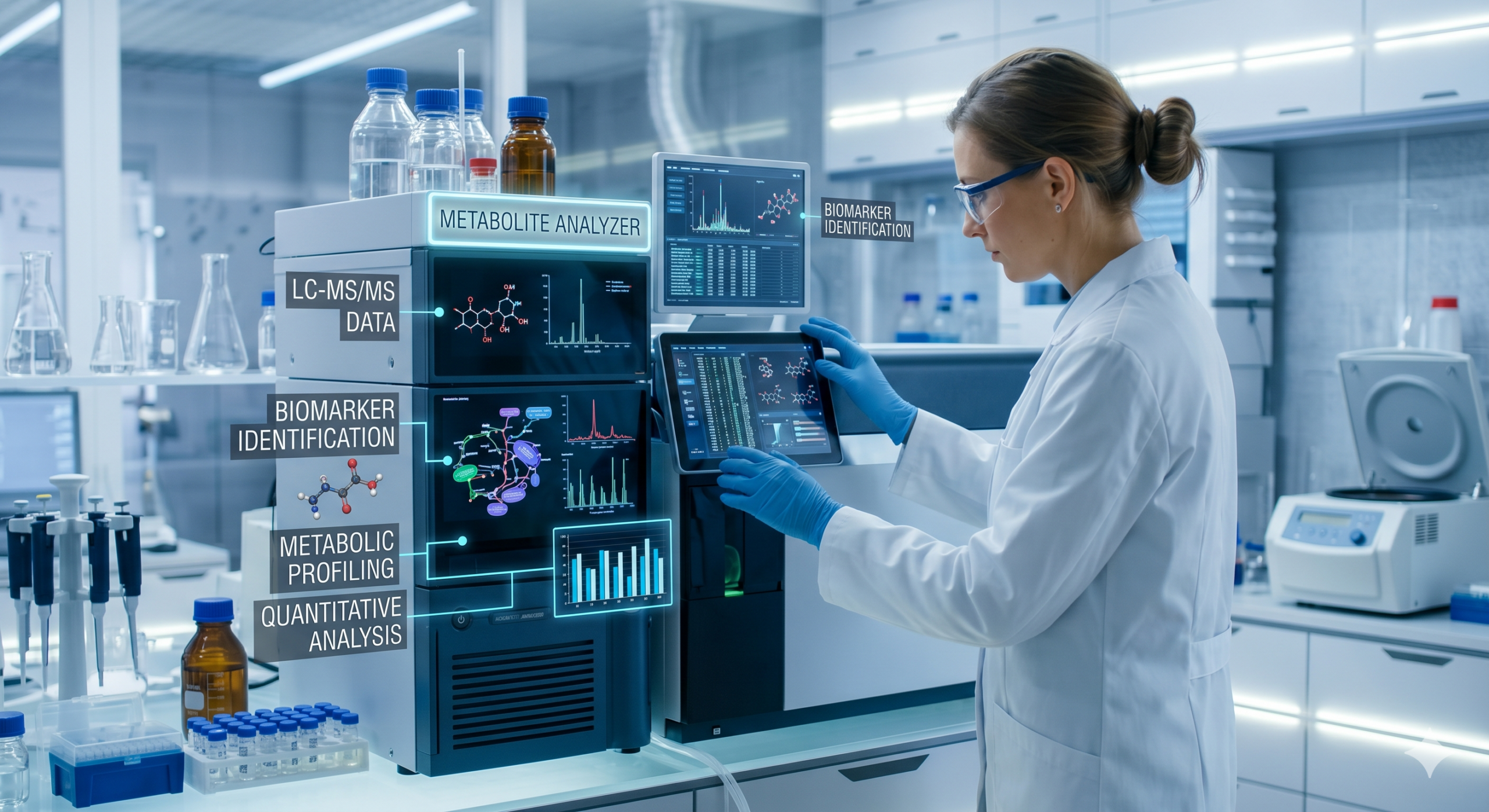
Early disease detection remains one of the most important goals in modern healthcare. Identifying diseases before symptoms become severe can improve treatment outcomes, reduce healthcare costs, and enhance patients’ quality of life. While traditional diagnostic methods have made significant progress, researchers continue to seek more accurate ways to detect diseases at their earliest stages. One emerging field that is transforming this effort is Clinical Metabolomics.
By analyzing small molecules known as metabolites within biological samples, metabolomics provides a detailed snapshot of a person’s physiological state. This powerful approach is helping scientists and healthcare professionals uncover disease-related changes long before clinical symptoms become apparent.
Understanding Metabolomics in Healthcare
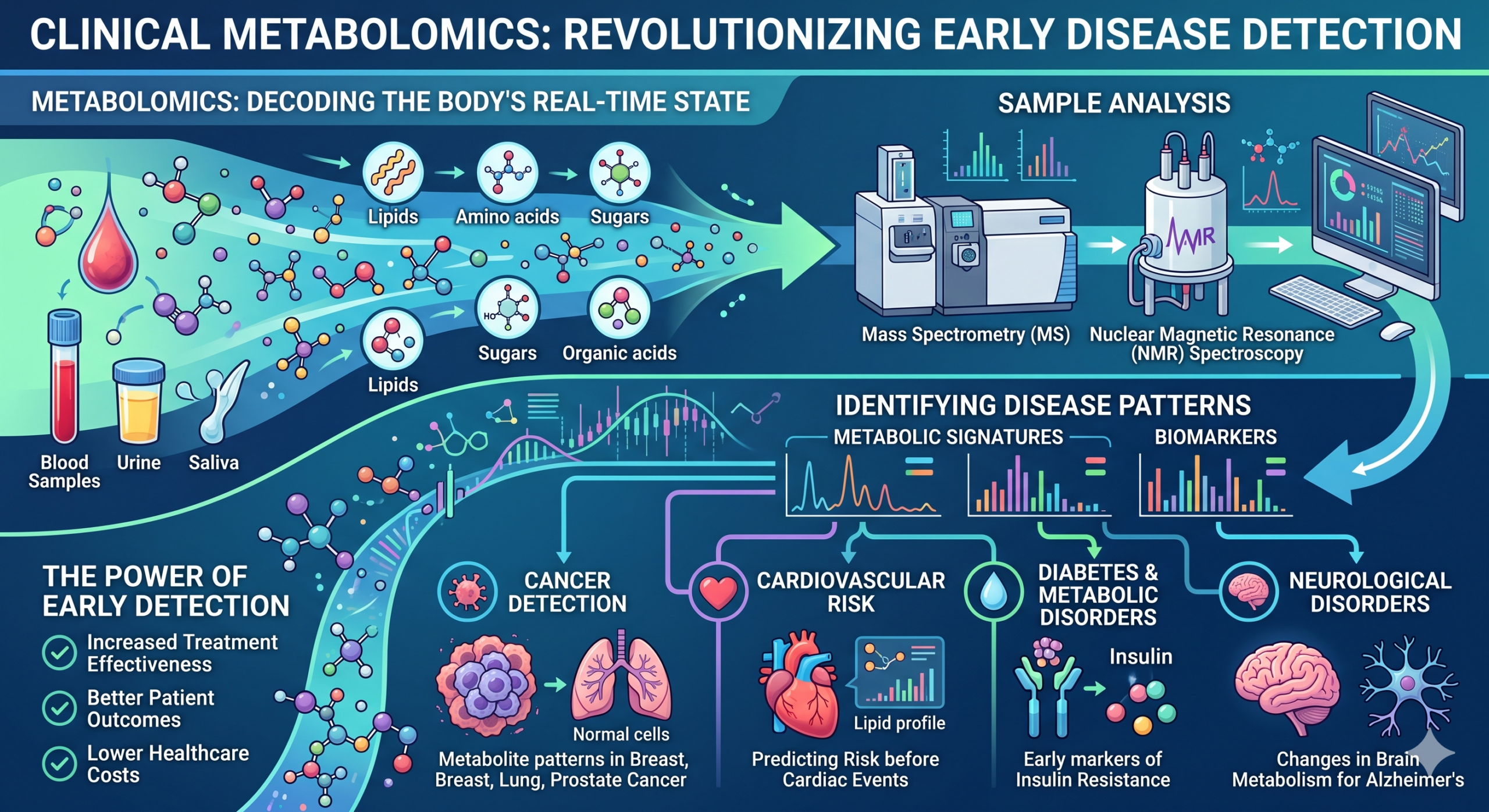
Metabolites are the end products of various biological processes occurring within cells, tissues, and organs. These molecules reflect the body’s current health status and respond quickly to changes caused by disease, environmental factors, diet, or medication.
Metabolomics focuses on measuring and analyzing these metabolites to identify patterns associated with specific health conditions. Since metabolic changes often occur before structural or functional abnormalities become visible, metabolomic analysis offers a unique opportunity for earlier diagnosis and intervention.
Healthcare researchers are increasingly using this approach to investigate diseases such as cancer, cardiovascular disorders, diabetes, neurological conditions, and infectious diseases.
Why Early Detection Matters
Many diseases develop silently over time. Conditions like cancer, Alzheimer’s disease, and type 2 diabetes may progress for years before noticeable symptoms emerge. By the time patients seek medical attention, treatment options may be more limited.
Early detection provides several important benefits:
- Increased treatment effectiveness
- Better patient outcomes
- Reduced disease progression
- Lower healthcare expenses
- Improved quality of life
Advanced analytical technologies now allow researchers to identify subtle metabolic alterations that may indicate disease risk before traditional diagnostic methods can detect abnormalities.
The Role of Clinical Metabolomics in Disease Detection
One of the primary advantages of Clinical Metabolomics is its ability to identify biomarkers. Biomarkers are measurable biological indicators that signal the presence, progression, or risk of disease.
Unlike genetic markers, which indicate potential susceptibility, metabolite biomarkers provide real-time insights into what is currently happening within the body. This makes them especially valuable for disease screening and monitoring.
Researchers have successfully identified metabolic signatures associated with several health conditions, including:
Cancer Detection
Cancer cells alter normal metabolic pathways to support rapid growth and survival. These changes create unique metabolite patterns that can be detected in blood, urine, or tissue samples.
Scientists are using metabolomic profiling to improve early detection of:
- Breast cancer
- Prostate cancer
- Lung cancer
- Colorectal cancer
- Ovarian cancer
Earlier identification can significantly increase survival rates by enabling timely treatment.
Cardiovascular Disease Risk Assessment
Heart disease remains a leading cause of death worldwide. Traditional risk assessments often focus on cholesterol levels, blood pressure, and lifestyle factors.
Metabolomic analysis provides a deeper understanding of cardiovascular health by identifying metabolic changes linked to inflammation, lipid metabolism, and vascular function. This information may help clinicians identify high-risk individuals before major cardiac events occur.
Diabetes and Metabolic Disorders
Metabolic disruptions often occur years before type 2 diabetes is formally diagnosed. Researchers have identified specific metabolite patterns that may predict insulin resistance and disease progression.
This enables healthcare providers to implement preventive interventions earlier, potentially delaying or preventing disease onset.
Neurological Disorders
Conditions such as Alzheimer’s disease and Parkinson’s disease can be challenging to diagnose during their earliest stages.
Researchers are exploring metabolomic biomarkers that reflect changes in brain metabolism and neurodegeneration. These discoveries may lead to earlier diagnoses and more effective treatment strategies for patients facing cognitive decline.
Technologies Driving Metabolomic Innovation
The success of metabolomic research depends heavily on advanced analytical platforms and sophisticated data analysis tools.
Technologies such as:
- Mass spectrometry (MS)
- Liquid chromatography-mass spectrometry (LC-MS)
- Gas chromatography-mass spectrometry (GC-MS)
- Nuclear magnetic resonance (NMR) spectroscopy
allow researchers to detect thousands of metabolites simultaneously with exceptional sensitivity and accuracy.
Organizations like IROA Technologies are helping advance the field through innovative solutions for metabolite identification, quantification, and data analysis. By improving data quality and reproducibility, these technologies enable researchers to generate more reliable biological insights and accelerate clinical discoveries.
Overcoming Challenges
Despite its tremendous promise, metabolomics still faces several challenges before widespread clinical adoption can be achieved.
Some key obstacles include:
- Standardization of analytical methods
- Large-scale validation of biomarkers
- Integration with existing clinical workflows
- Management of complex datasets
- Regulatory approval processes
However, ongoing technological advancements and collaborative research efforts continue to address these barriers.
As analytical platforms become more standardized and accessible, metabolomics is expected to play an increasingly important role in routine healthcare.
The Future of Early Disease Detection
The future of personalized medicine depends on the ability to detect diseases earlier and more accurately than ever before. Metabolomics offers a promising pathway toward achieving this goal by providing direct insights into the body’s biochemical activity.
As researchers continue to identify new biomarkers and refine analytical techniques, healthcare providers may soon have access to more powerful tools for screening, diagnosis, and disease monitoring.
Combined with genomics, proteomics, and other precision medicine approaches, Clinical Metabolomics has the potential to reshape how diseases are identified and managed throughout the patient journey.
Conclusion
Early disease detection remains one of the most effective ways to improve patient outcomes and reduce the burden of chronic illness. By uncovering subtle biochemical changes that occur before symptoms appear, metabolomics is opening new possibilities for preventive healthcare and precision medicine.
With continued innovation from organizations such as IROA Technologies and the broader scientific community, metabolomics is positioned to become an essential component of future diagnostic strategies. As the field matures, healthcare providers will be better equipped to identify disease risks earlier, personalize treatments, and ultimately improve patient care worldwide.
For additional information on metabolomics research and its applications in healthcare, visit the official website of the Metabolomics Society.
Frequently Asked Questions (FAQs)
1. What is clinical metabolomics?
Clinical metabolomics is the study of metabolites in biological samples to understand health conditions, identify biomarkers, and support disease diagnosis and monitoring.
2. How does metabolomics help detect diseases early?
Metabolomics identifies biochemical changes that often occur before physical symptoms develop, allowing healthcare professionals to recognize disease risks sooner.
3. Which diseases can benefit from metabolomic analysis?
Metabolomics is being used to study cancer, cardiovascular disease, diabetes, neurological disorders, infectious diseases, and various metabolic conditions.
4. What technologies are commonly used in metabolomics?
Common technologies include mass spectrometry (MS), liquid chromatography-mass spectrometry (LC-MS), gas chromatography-mass spectrometry (GC-MS), and nuclear magnetic resonance (NMR) spectroscopy.
5. How does IROA Technologies contribute to metabolomics research?
IROA Technologies provides advanced metabolomics solutions that improve metabolite identification, quantification, data accuracy, and reproducibility, helping researchers generate meaningful biological insights.