
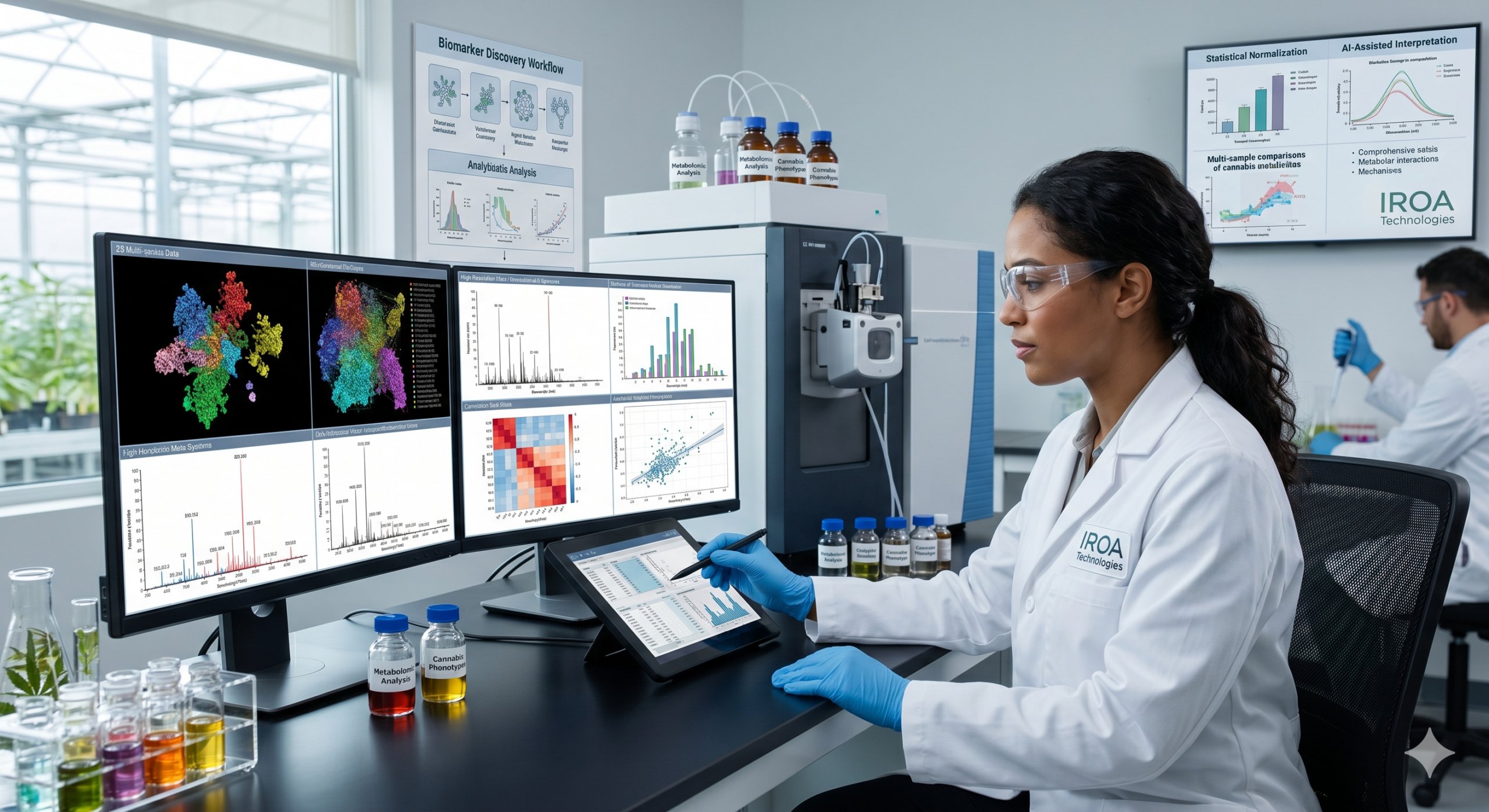
The cannabis industry has undergone remarkable growth over the past decade, fueled by increasing legalization, expanding medical research, and rising consumer demand. As cannabis products become more widely available for medicinal, scientific, and commercial applications, the need for accurate testing and data-driven research has never been greater. This is where Cannabis Analysis plays a critical role.
From identifying chemical compounds to ensuring product consistency and safety, analytical technologies are helping researchers unlock a deeper understanding of cannabis and its potential benefits. Today, advanced scientific tools enable laboratories to examine cannabinoids, terpenes, metabolites, and other compounds with unprecedented precision, supporting innovation across healthcare, agriculture, and biotechnology.
What Is Cannabis Analysis?
Cannabis analysis refers to the scientific examination of cannabis plants, extracts, and related products to identify and quantify their chemical composition. Researchers and laboratories use a variety of analytical methods to evaluate the presence of cannabinoids such as THC and CBD, as well as terpenes, flavonoids, contaminants, and other bioactive compounds.
The goal is to generate reliable and reproducible data that can support product development, quality assurance, clinical studies, and regulatory compliance. Accurate analysis helps researchers understand how different compounds interact and contribute to the plant’s overall biological effects.
As cannabis research continues to evolve, analytical science is becoming increasingly important for establishing standardized testing protocols and ensuring scientific validity.
Why Cannabis Analysis Matters
The complexity of cannabis chemistry makes thorough analysis essential. The cannabis plant contains hundreds of compounds that can vary depending on genetics, cultivation methods, environmental conditions, and processing techniques.
Effective analytical testing provides several important benefits:
Product Consistency
Manufacturers rely on laboratory testing to ensure that products deliver consistent cannabinoid and terpene profiles. Consistency is particularly important for medical cannabis products, where dosage accuracy can impact patient outcomes.
Consumer Safety
Testing can identify contaminants such as pesticides, heavy metals, microbial organisms, and residual solvents. Detecting these substances helps protect consumers and supports industry-wide quality standards.
Scientific Research
Researchers studying cannabis need reliable data to investigate biological pathways, therapeutic potential, and pharmacological mechanisms. Analytical technologies provide the foundation for evidence-based discoveries.
Regulatory Compliance
Many jurisdictions require cannabis products to undergo laboratory testing before reaching the market. Accurate analytical results help organizations meet regulatory requirements and maintain transparency.
Key Technologies Used in Cannabis Research
Modern cannabis research relies on sophisticated analytical platforms capable of detecting and measuring compounds at extremely low concentrations.
Mass Spectrometry
Mass spectrometry is one of the most powerful analytical techniques used in cannabis studies. It allows scientists to identify and quantify a wide range of molecules within complex biological samples.
Researchers often combine mass spectrometry with chromatographic separation techniques to obtain highly detailed chemical profiles. This approach helps uncover subtle molecular differences that may influence biological activity.
Chromatography
High-performance liquid chromatography (HPLC) and gas chromatography (GC) are widely used for cannabinoid and terpene profiling. These methods separate compounds before detection, improving analytical accuracy and sensitivity.
Metabolomics
Metabolomics is an emerging field that examines the complete set of metabolites present within a biological system. In cannabis research, metabolomic approaches help scientists understand how cannabis compounds interact with biological pathways and influence cellular processes.
Advanced metabolomic studies can reveal biomarkers, identify metabolic changes, and provide valuable insights into therapeutic mechanisms.
The Role of Data Analysis in Cannabis Innovation
Collecting analytical data is only the first step. The true value lies in interpreting complex datasets and transforming them into meaningful scientific insights.
Large-scale cannabis studies often generate thousands of data points from biological samples. Researchers must identify patterns, compare molecular signatures, and evaluate relationships between compounds and biological outcomes.
Advanced software platforms and bioinformatics tools help streamline this process by enabling:
- Data normalization and quality control
- Statistical analysis
- Biomarker discovery
- Pattern recognition
- Multi-sample comparison
- Visualization of complex datasets
These capabilities support more efficient decision-making and accelerate scientific discovery.
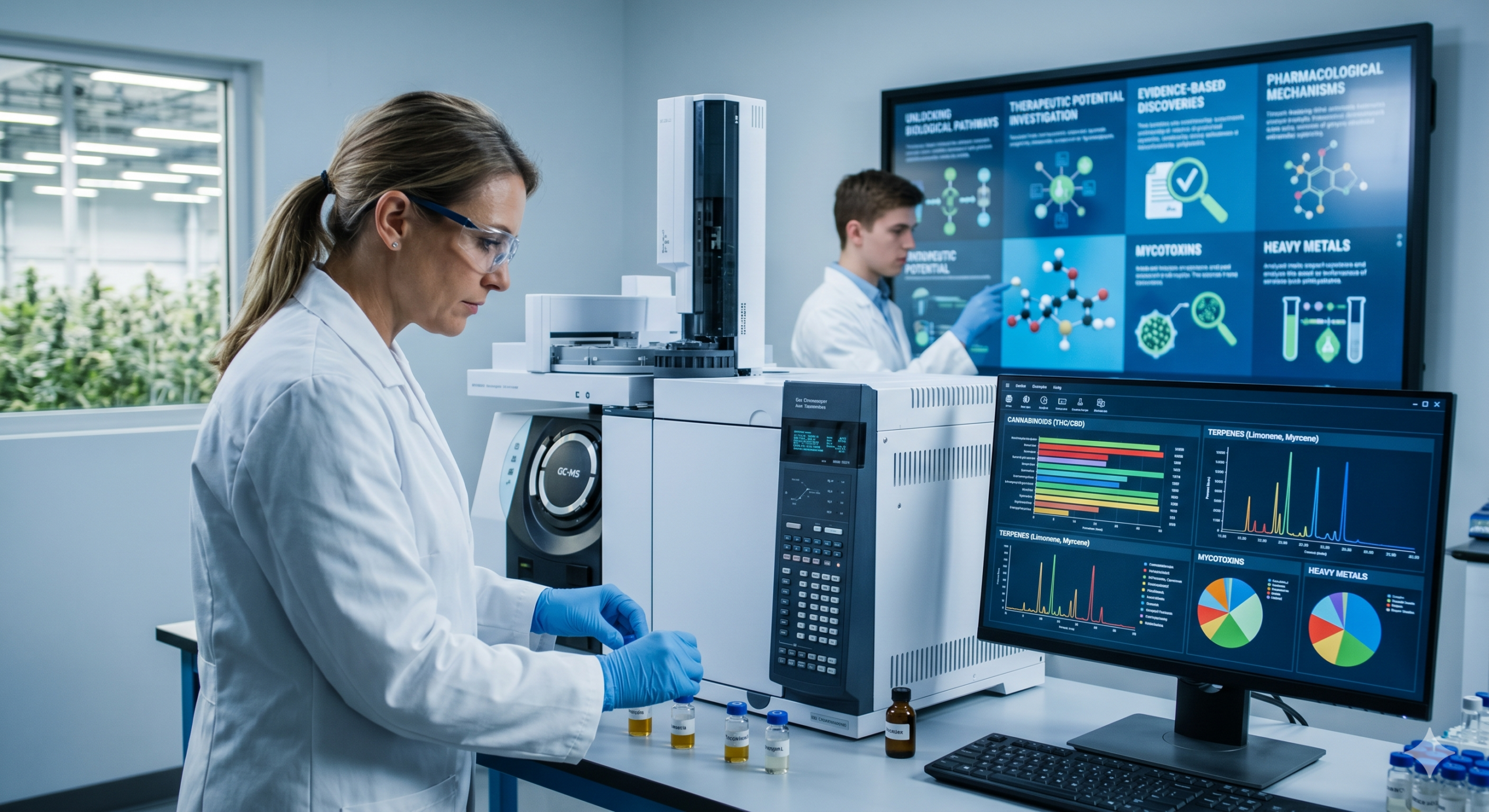 As scientific investigations become increasingly data-intensive, organizations require robust analytical solutions capable of handling complex datasets.
By supporting comprehensive metabolomic investigations,
The integration of advanced metabolomics platforms with cannabis research creates opportunities to better understand biological responses, therapeutic mechanisms, and molecular interactions that may otherwise remain hidden.
The Future of Cannabis Analysis
The future of cannabis research will likely be driven by increasingly sophisticated analytical technologies and data-driven methodologies.
Emerging trends include:
- Artificial intelligence-assisted data interpretation
- High-resolution mass spectrometry
- Multi-omics integration
- Precision medicine applications
- Advanced biomarker discovery
- Improved standardization protocols
As researchers continue to explore cannabis chemistry and biological effects, analytical innovation will remain central to scientific progress.
Organizations that invest in high-quality analytical tools and robust research methodologies will be better positioned to contribute meaningful discoveries and support the advancement of evidence-based cannabis science.
Conclusion
Cannabis Analysis has become a cornerstone of modern cannabis research, helping scientists understand complex chemical profiles, ensure product safety, and generate reliable scientific evidence. Through advanced analytical technologies such as mass spectrometry, chromatography, and metabolomics, researchers can uncover valuable insights that drive innovation across healthcare and biotechnology.
As the cannabis industry continues to evolve, organizations like IROA Technologies play an important role in supporting the sophisticated analytical workflows needed to transform raw data into meaningful scientific knowledge. The continued advancement of analytical science will undoubtedly shape the future of cannabis research and its potential applications.
For additional information on cannabis research and scientific developments, visit the National Center for Biotechnology Information (NCBI):
National Center for Biotechnology Information (NCBI) Research Database
Frequently Asked Questions (FAQs)
1. What is cannabis analysis?
Cannabis analysis is the scientific process of examining cannabis plants and products to identify and measure cannabinoids, terpenes, metabolites, contaminants, and other chemical compounds.
2. Why is cannabis analysis important?
It helps ensure product quality, consumer safety, regulatory compliance, and supports scientific research aimed at understanding the biological effects of cannabis.
3. What technologies are commonly used in cannabis testing?
Common technologies include mass spectrometry, high-performance liquid chromatography (HPLC), gas chromatography (GC), and metabolomics-based analytical platforms.
4. How does metabolomics contribute to cannabis research?
Metabolomics helps researchers study metabolic changes and biological pathways, providing deeper insights into how cannabis compounds interact with living systems.
5. How does IROA Technologies support cannabis-related research?
IROA Technologies provides advanced metabolomics and data analysis solutions that help researchers improve data quality, identify biomarkers, and gain meaningful biological insights from complex datasets.