cannabis analysis

Browse all articles filed under the "cannabis analysis" tag.

Understanding Cannabis Analysis and Its Role in Scientific Innovation

Showing 1–4 of 4 articles

Understanding Cannabis Analysis and Its Role in Scientific Innovation

Understanding Cannabis Analysis and Its Role in Scientific Innovation

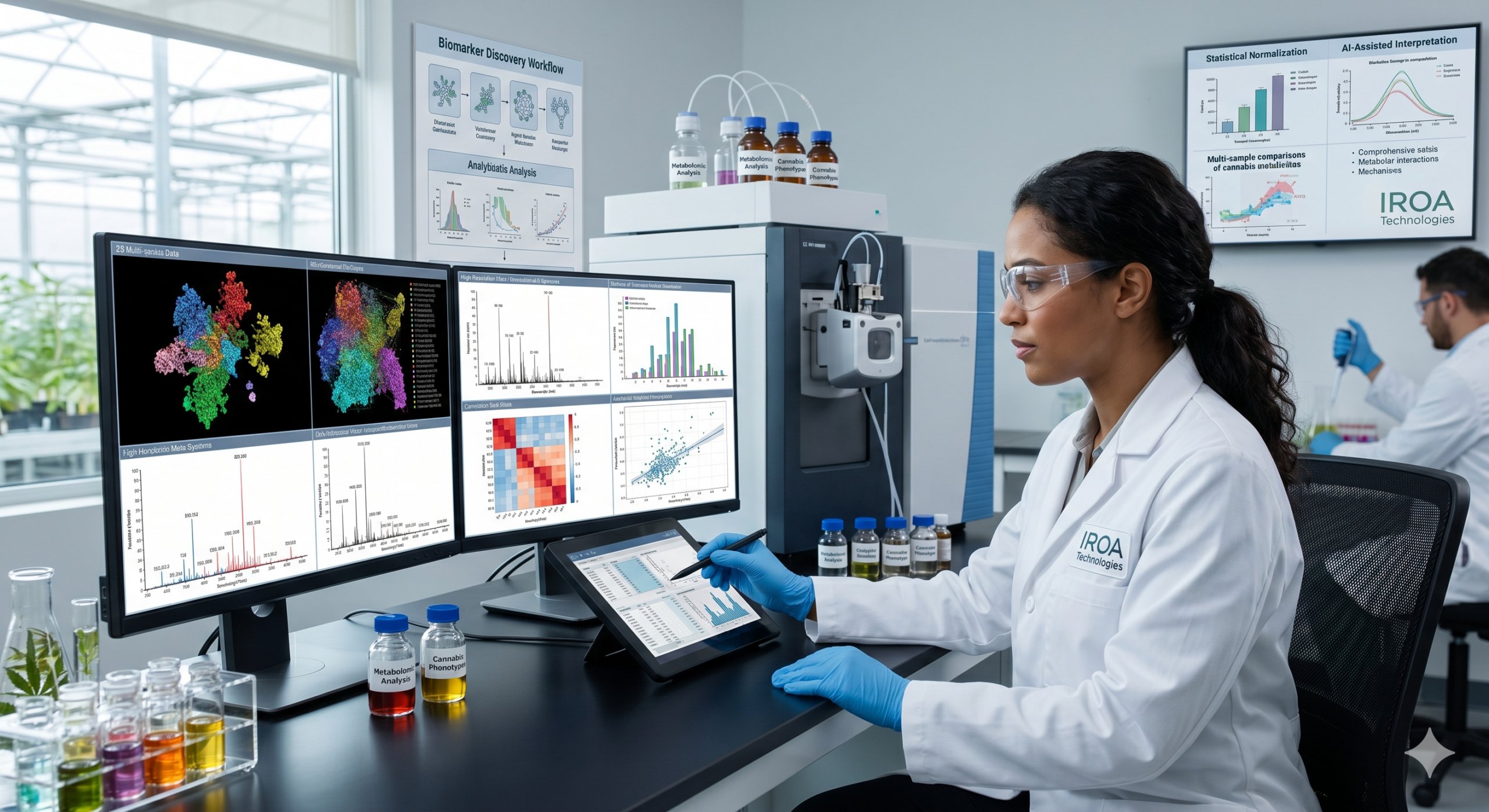
The cannabis industry has undergone remarkable growth over the past decade, fueled by increasing legalization, expanding medical research, and rising consumer demand. As cannabis products become more widely available for medicinal, scientific, and commercial applications, the need for accurate testing and data-driven research has never been greater. This is where Cannabis Analysis plays a critical role. From identifying chemical compounds to ensuring product consistency and safety, analytical technologies are helping researchers unlock a deeper understanding of cannabis and its potential benefits. Today, advanced scientific tools enable laboratories to examine cannabinoids, terpenes, metabolites, and other compounds with unprecedented precision, supporting innovation across healthcare, agriculture, and biotechnology. What Is Cannabis Analysis? Cannabis analysis refers to the scientific examination of cannabis plants, extracts, and related products to identify and quantify their chemical composition. Researchers and laboratories use a variety of analytical methods to evaluate the presence of cannabinoids such as THC and CBD, as well as terpenes, flavonoids, contaminants, and other bioactive compounds. The goal is to generate reliable and reproducible data that can support product development, quality assurance, clinical studies, and regulatory compliance. Accurate analysis helps researchers understand how different compounds interact and contribute to the plant's overall biological effects. As cannabis research continues to evolve, analytical science is becoming increasingly important for establishing standardized testing protocols and ensuring scientific validity. Why Cannabis Analysis Matters The complexity of cannabis chemistry makes thorough analysis essential. The cannabis plant contains hundreds of compounds that can vary depending on genetics, cultivation methods, environmental conditions, and...

Why Metabolite Analyzers Are Essential for Scientific Research

The Rise of Standardized Cannabis in Scientific and Clinical Studies

Cannabis research has experienced significant growth over the past decade as scientists, healthcare professionals, and policymakers seek to better understand the plant's therapeutic potential. However, one of the major challenges in cannabis research has been the lack of consistency across products and study materials. Variations in cannabinoid content, cultivation methods, and processing techniques can make it difficult to compare research findings or replicate study results. This challenge has led to the growing adoption of Standardized Cannabis, a critical development that is helping improve research quality, clinical reliability, and scientific understanding. By ensuring consistency in composition and quality, standardized cannabis products are becoming essential tools for both laboratory investigations and clinical studies. Understanding Cannabis Standardization Cannabis contains hundreds of bioactive compounds, including cannabinoids, terpenes, flavonoids, and other phytochemicals. The concentration of these compounds can vary significantly depending on genetics, growing conditions, harvesting practices, and extraction methods. Standardization refers to the process of producing cannabis products with consistent chemical profiles and predictable concentrations of key compounds. Researchers and clinicians can then work with materials that maintain the same composition across multiple batches. This consistency is crucial because it allows scientists to determine whether observed effects are truly linked to specific cannabis compounds rather than variations in product quality. Why Standardization Matters in Research Scientific research relies heavily on reproducibility. If researchers cannot replicate study results using the same materials and methods, confidence in the findings decreases. In cannabis research, inconsistent products have historically created obstacles for scientists attempting to validate previous studies....

How Cannabis Analysis Ensures Quality, Potency & Consumer Safety

As the global cannabis industry continues to expand, quality control and consumer safety have become top priorities for regulators, producers, and healthcare professionals alike. Whether cannabis is used for medical treatment, wellness products, or regulated recreational purposes, consumers deserve products that are safe, accurately labeled, and free from harmful contaminants. This is where cannabis analysis plays a critical role. Modern scientific testing methods allow manufacturers to verify potency, detect contaminants, and ensure consistency across batches. Companies like IROA Technologies are helping laboratories and producers achieve higher accuracy and reliability through advanced metabolomics and analytical solutions. In this article, we’ll explore how cannabis analysis protects consumers, maintains product integrity, and supports industry compliance. Understanding Cannabis Analysis Cannabis contains hundreds of chemical compounds, including cannabinoids, terpenes, flavonoids, and other bioactive substances. The most well-known cannabinoids include THC (tetrahydrocannabinol) and CBD (cannabidiol), each associated with distinct physiological effects. Cannabis analysis refers to laboratory testing processes that identify and quantify these compounds while screening for contaminants such as pesticides, heavy metals, microbes, and residual solvents. Through advanced instrumentation like chromatography and mass spectrometry, laboratories can ensure: Accurate potency labeling Product consistency Regulatory compliance Consumer safety Without rigorous testing, consumers may unknowingly consume products that are mislabeled, contaminated, or ineffective. Why Quality Control Matters in the Cannabis Industry Unlike traditional agricultural products, cannabis is often inhaled, ingested, or applied medicinally. This makes quality control even more critical. A contaminated product can pose serious health risks, especially for immunocompromised patients using cannabis for medical treatment. Cannabis...

Cannabis testing with graph and leaf.

Why Standardized Cannabis Matters for Quality, Safety, and Research

Cannabis has moved from a controversial plant to a mainstream topic in healthcare, research, and consumer products. As legalization spreads, the demand for safe, reliable cannabis products grows exponentially. However, the industry faces a significant challenge: standardization. Without a clear benchmark for cannabis quality, inconsistencies in potency, contamination risks, and unreliable research outcomes persist. This is where standardized cannabis becomes essential for the industry's credibility and growth. In this article, we'll explore what standardized cannabis means, why it's crucial, and how it impacts quality, safety, and research. What Is Standardized Cannabis? Standardized cannabis refers to cannabis that meets strict quality, purity, and consistency guidelines. These guidelines ensure that every batch of cannabis contains consistent levels of cannabinoids, terpenes, and other active compounds while remaining free from harmful contaminants such as pesticides, heavy metals, and microbial agents. The concept is similar to the pharmaceutical industry, where standardization ensures that medications deliver the same active ingredients in each dose. Applying the same principles to cannabis creates trust and safety for consumers and reliability for researchers. Why Is Standardization Important in Cannabis? 1. Protecting Consumer Safety Without standardization, there's a higher risk of contamination or inconsistent potency levels in cannabis products. Variability can lead to unpredictable effects or health hazards, especially for medical cannabis users who depend on precise dosing. 2. Supporting Reliable Research Scientific research thrives on consistency. In laboratory experiments and clinical studies, standardized cannabis ensures that every sample has the same chemical profile. This reliability is critical for developing accurate...