
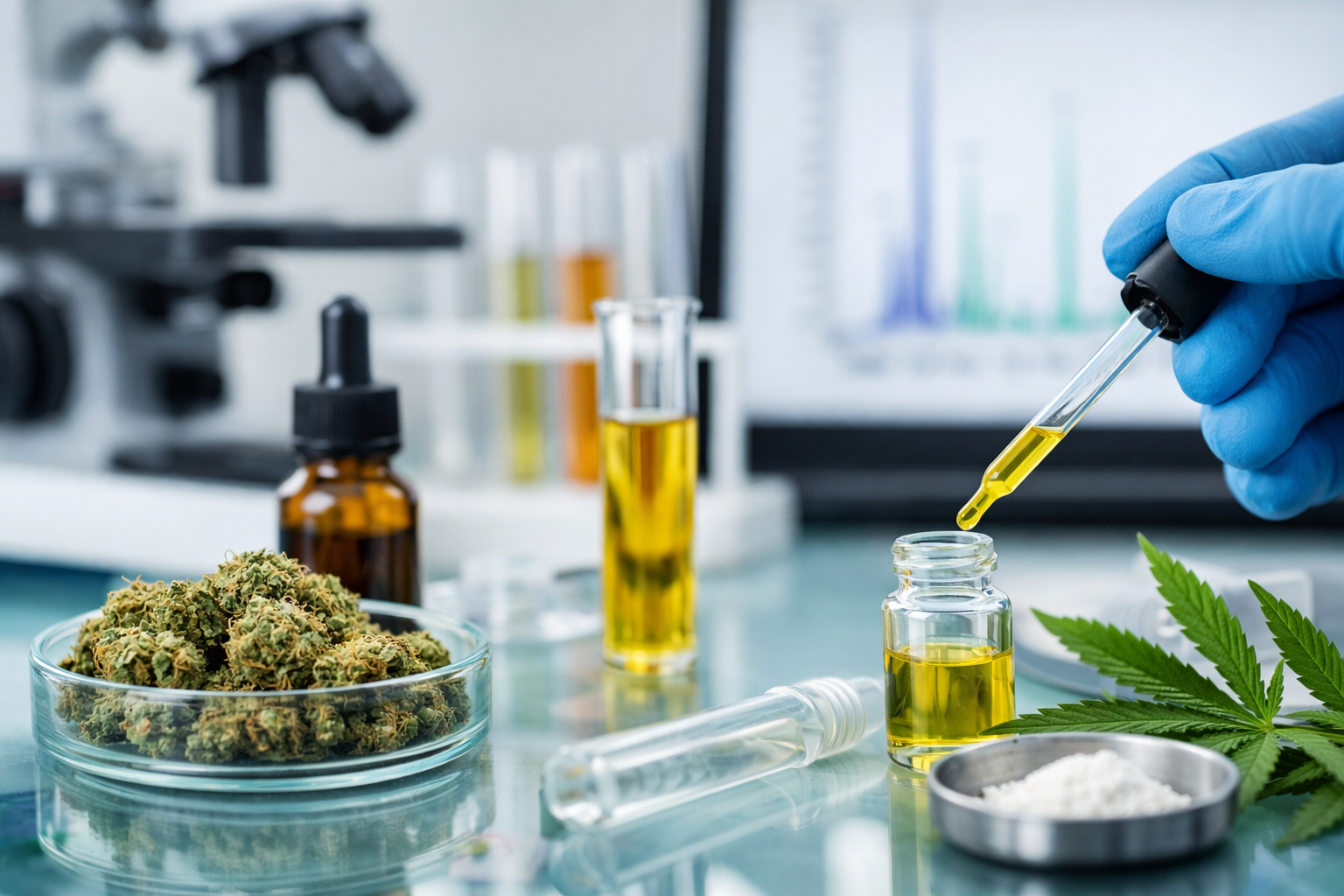
As the global cannabis industry continues to expand, quality control and consumer safety have become top priorities for regulators, producers, and healthcare professionals alike. Whether cannabis is used for medical treatment, wellness products, or regulated recreational purposes, consumers deserve products that are safe, accurately labeled, and free from harmful contaminants. This is where cannabis analysis plays a critical role.
Modern scientific testing methods allow manufacturers to verify potency, detect contaminants, and ensure consistency across batches. Companies like IROA Technologies are helping laboratories and producers achieve higher accuracy and reliability through advanced metabolomics and analytical solutions. In this article, we’ll explore how cannabis analysis protects consumers, maintains product integrity, and supports industry compliance.
Understanding Cannabis Analysis
Cannabis contains hundreds of chemical compounds, including cannabinoids, terpenes, flavonoids, and other bioactive substances. The most well-known cannabinoids include THC (tetrahydrocannabinol) and CBD (cannabidiol), each associated with distinct physiological effects.
Cannabis analysis refers to laboratory testing processes that identify and quantify these compounds while screening for contaminants such as pesticides, heavy metals, microbes, and residual solvents.
Through advanced instrumentation like chromatography and mass spectrometry, laboratories can ensure:
- Accurate potency labeling
- Product consistency
- Regulatory compliance
- Consumer safety
Without rigorous testing, consumers may unknowingly consume products that are mislabeled, contaminated, or ineffective.
Why Quality Control Matters in the Cannabis Industry
Unlike traditional agricultural products, cannabis is often inhaled, ingested, or applied medicinally. This makes quality control even more critical. A contaminated product can pose serious health risks, especially for immunocompromised patients using cannabis for medical treatment.
Cannabis testing helps ensure:
1. Accurate Potency and Dosage
Consumers rely on potency labels to determine dosage and expected effects. Overstated THC levels may lead to unwanted psychoactive effects, while understated CBD levels may reduce therapeutic benefits.
Reliable cannabis analysis verifies cannabinoid concentrations, enabling consumers to make informed decisions.
2. Detection of Harmful Contaminants
Cannabis plants can absorb contaminants from soil, water, and cultivation processes. Testing helps detect:
- Pesticide residues
- Heavy metals (lead, arsenic, mercury, cadmium)
- Microbial contamination (mold, bacteria)
- Residual solvents from extraction processes
These contaminants can cause respiratory issues, neurological damage, or infections if left undetected.
3. Product Consistency Across Batches
Consistency is essential for medical cannabis patients who depend on predictable effects. Analytical testing ensures that each batch meets the same potency and quality standards.
How Cannabis Analysis Ensures Consumer Safety
Consumer safety sits at the heart of cannabis testing regulations worldwide. Laboratories perform multiple tests to ensure products meet strict health and safety standards.
Potency Testing
This measures cannabinoid levels, including THC, CBD, CBG, and others. Accurate potency testing allows:
- Proper dosage control
- Therapeutic reliability
- Transparent labeling
Microbial Testing
Cannabis products can harbor mold, yeast, and harmful bacteria. Testing ensures products are safe for inhalation and ingestion.
Heavy Metal Screening
Cannabis plants can absorb metals from soil. Laboratory testing identifies toxic metals that may accumulate in plant material.
Residual Solvent Testing
Extraction processes sometimes use solvents such as butane or ethanol. Testing ensures that unsafe solvent levels are not present in final products.
The Role of Advanced Technology in Cannabis Testing
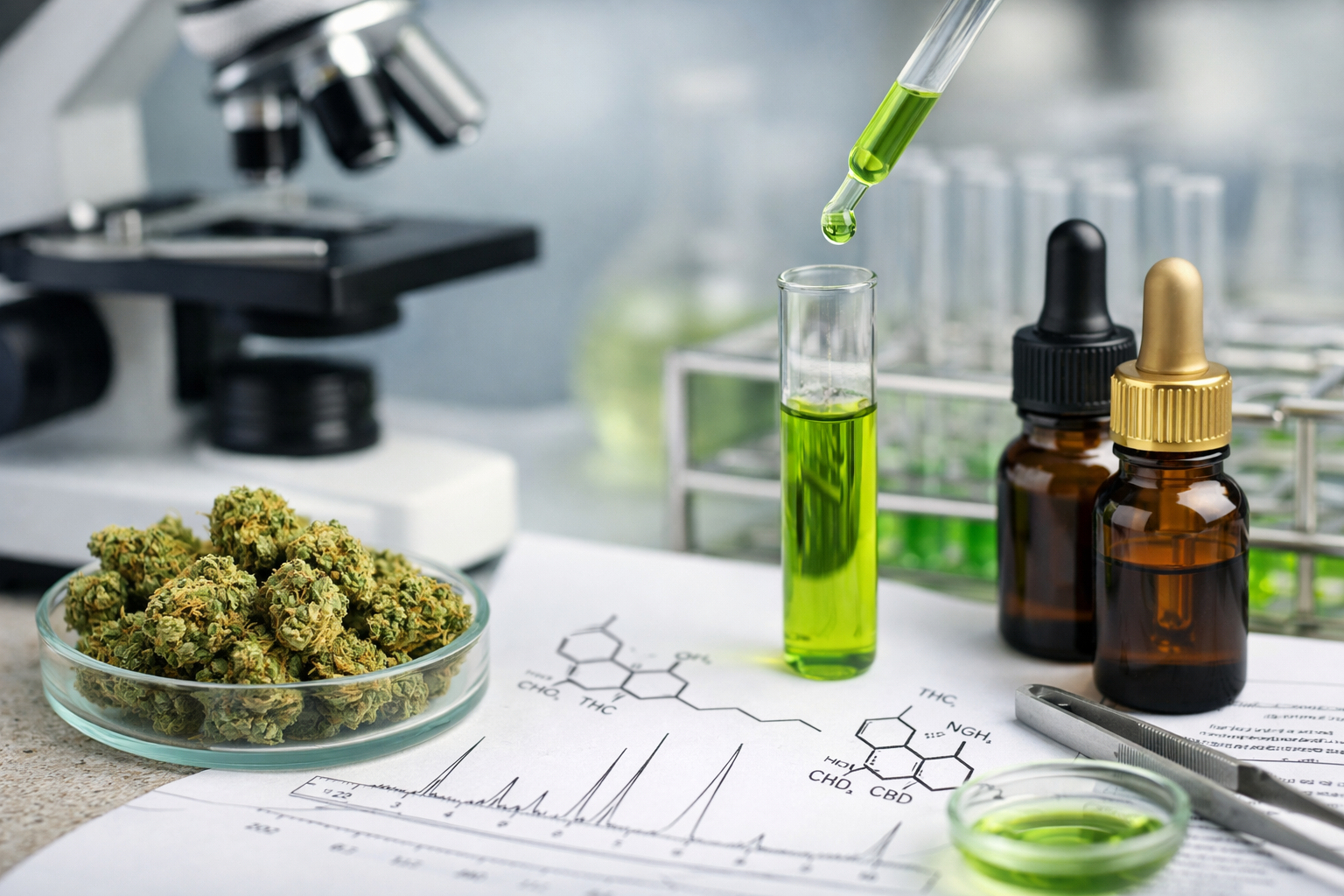
Technological advancements are transforming cannabis quality control. High-resolution mass spectrometry, chromatography, and metabolomics tools allow laboratories to identify compounds with unprecedented accuracy.
IROA Technologies provides advanced metabolomics solutions that help laboratories achieve precise compound identification and quantification. These tools enable:
- Improved data accuracy
- Reliable chemical profiling
- Enhanced reproducibility
- Greater regulatory confidence
As cannabis research evolves, advanced analytical tools will continue to play a vital role in improving safety and product transparency.
Regulatory Compliance and Industry Standards
Governments worldwide are establishing strict testing regulations to ensure cannabis safety. Compliance protects both consumers and producers. Organizations such as the World Health Organization provide guidance on cannabis safety, regulation, and public health considerations.
You can learn more about global cannabis policy, safety considerations, and regulatory frameworks here: WHO Review of Cannabis and Cannabis-Related Substances.
Benefits of Cannabis Analysis for Producers and Consumers
For Consumers
- Confidence in product safety
- Accurate potency and dosage information
- Reduced health risks
- Improved therapeutic outcomes
For Producers
- Regulatory compliance
- Brand credibility and trust
- Reduced liability risks
- Consistent product quality
For Healthcare Professionals
- Reliable dosage guidance
- Predictable patient outcomes
- Improved treatment safety
The Future of Cannabis Quality Assurance
As legalization expands and cannabis research advances, the demand for accurate testing and quality assurance will continue to grow. Future trends include:
- Standardized global testing protocols
- Expanded cannabinoid and terpene profiling
- AI-driven data analysis for precision testing
- Enhanced safety monitoring systems
Innovators like IROA Technologies are helping shape the future of cannabis testing by providing advanced analytical tools that support transparency, reliability, and scientific accuracy.
Conclusion
The rapid growth of the cannabis industry brings new responsibilities for safety, transparency, and quality control. Cannabis analysis plays a crucial role in ensuring that products are safe, accurately labeled, and free from harmful contaminants.
From potency verification to contaminant screening, laboratory testing protects consumers and supports regulatory compliance. With advanced technologies and scientific innovation, companies like IROA Technologies are empowering laboratories and producers to maintain the highest standards of quality and safety.
As consumer awareness grows, robust cannabis testing will remain essential in building trust and delivering safe, reliable products to the market.
FAQs
- What is cannabis analysis?
Cannabis analysis is the laboratory testing process used to measure cannabinoid potency and detect contaminants such as pesticides, heavy metals, microbes, and residual solvents. - Why is cannabis testing important for consumer safety?
Testing ensures products are free from harmful contaminants and accurately labeled, reducing health risks and helping consumers make informed choices. - What contaminants are commonly tested in cannabis products?
Common contaminants include pesticides, heavy metals, mold, bacteria, and residual solvents from extraction processes. - How does cannabis analysis ensure accurate potency labeling?
Laboratory instruments measure cannabinoid concentrations precisely, ensuring THC and CBD levels match product labels. - Who benefits from cannabis quality testing?
Consumers, producers, healthcare professionals, and regulators all benefit from reliable testing that ensures safety, consistency, and compliance. - How does IROA Technologies support cannabis testing laboratories?
IROA Technologies provides advanced metabolomics and analytical solutions that enhance accuracy, reproducibility, and reliability in cannabis testing.