
Clinical Metabolomics

Browse all articles filed under the "Clinical Metabolomics" tag.

Why Metabolite Analyzers Are Essential for Scientific Research

Showing 1–12 of 12 articles

Why Metabolite Analyzers Are Essential for Scientific Research

How Clinical Metabolomics Is Advancing Early Disease Detection

Early disease detection remains one of the most important goals in modern healthcare. Identifying diseases before symptoms become severe can improve treatment outcomes, reduce healthcare costs, and enhance patients' quality of life.

While traditional diagnostic methods have made significant progress, researchers continue to seek more accurate ways to detect diseases at their earliest stages.

One emerging field that is transforming this effort is Clinical Metabolomics. By analyzing small molecules known as metabolites within biological samples, metabolomics provides a detailed snapshot of a person's physiological state.

This powerful approach is helping scientists and healthcare professionals uncover disease-related changes long before clinical symptoms become apparent. Understanding Metabolomics in Healthcare Metabolites are the end products of various biological processes occurring within cells, tissues, and organs.

These molecules reflect the body's current health status...

Clinical metabolomics laboratory for advanced disease diagnosis and precision medicine research.

The Future of Clinical Metabolomics in Disease Diagnosis

Modern healthcare is being transformed by technologies that allow diseases to be identified earlier and treated more accurately. Among these innovations, Clinical Metabolomics is gaining significant attention for its ability to analyze small molecules and biochemical changes within the human body.

Through advanced metabolic profiling, valuable insights into disease mechanisms are being uncovered, allowing healthcare professionals to move toward more precise and personalized medicine.

At IROA Technologies, advanced metabolomics solutions are being developed to support researchers and clinical laboratories in achieving more reliable and reproducible results.

As scientific understanding continues to evolve, the future of metabolomics in disease diagnosis is expected to become increasingly important across healthcare systems worldwide.

Understanding Clinical Metabolomics in Modern Medicine Metabolomics is the scientific study of metabolites, which are small molecules produced during cellular processes.

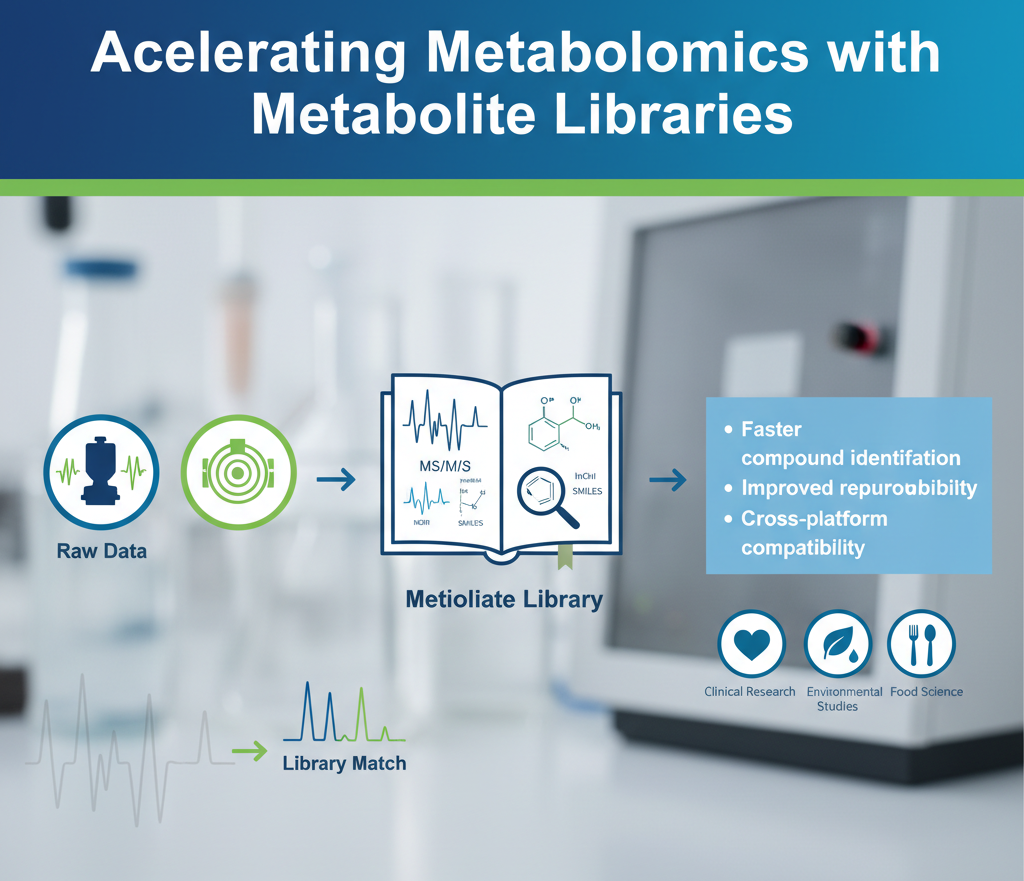
How a Metabolite Library Accelerates Metabolomics Research

Metabolomics—the comprehensive study of small molecules (metabolites) in biological systems—has become a cornerstone of modern life sciences. From disease biomarker discovery to precision nutrition and environmental monitoring, metabolomics offers insights that bridge genotype and phenotype.

However, the field's potential depends heavily on reliable identification and interpretation of complex spectral data. This is where a well-constructed Metabolite Library becomes indispensable.

In this article, we'll examine how a metabolite library accelerates metabolomics research, the key steps involved in building one, and how IROA Technologies helps laboratories transform raw analytical data into actionable biological insights.

Why Identification Is the Bottleneck in Metabolomics Mass spectrometry (MS) and nuclear magnetic resonance (NMR) generate enormous volumes of analytical data, but raw spectra provide little value without accurate metabolite identification.

Researchers commonly face several challenges: Ambiguous metabolite...

Top-Metabolomics-Companies-Driving-Innovation-in-Precision-Medicine

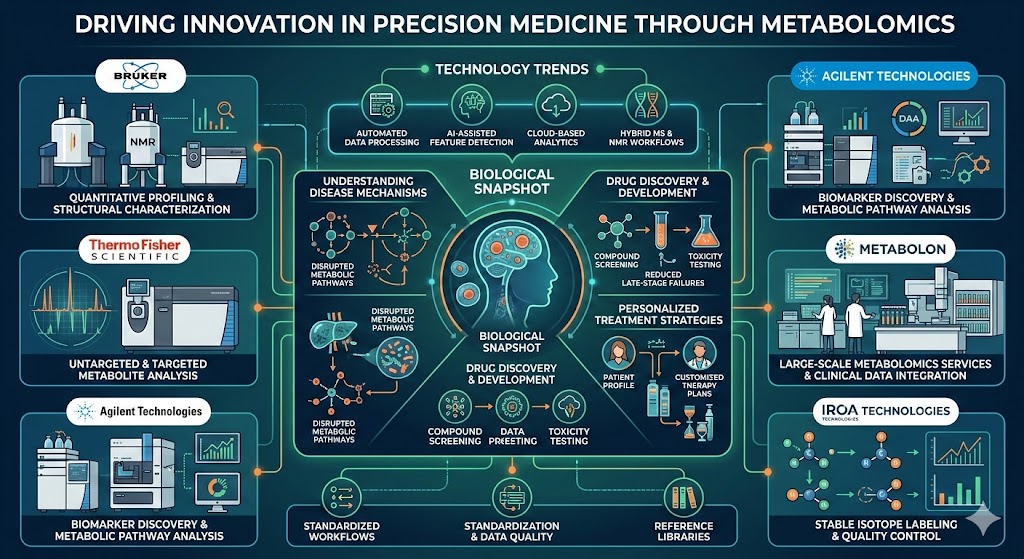
Top Metabolomics Companies Driving Innovation in Precision Medicine 

Over the past decade, metabolomics has emerged as one of the most powerful tools in modern life sciences. By studying small molecules produced during biological processes, researchers can gain a real-time snapshot of how cells, tissues, and entire organisms respond to disease, drugs, and environmental factors.

Behind this rapid growth are several leading metabolomics companies that continue to shape the future of precision medicine, biotechnology, and pharmaceutical research.

In this article, we explore how industry leaders are advancing metabolomics technologies and why their innovations matter for healthcare and scientific discovery.

  Why Metabolomics Matters in Modern Research Metabolomics focuses on the comprehensive analysis of metabolites—the small molecules that reflect ongoing biochemical activity.

Unlike genomics or proteomics, which reveal what could happen in a biological system, metabolomics shows what is actually...

Scientific illustration showing gut microbiome interaction with bile acids, metabolic pathways, and digestive system visualization

What the Bile Acids Microbiome Reveals About Gut Health and Metabolism

The human gut is far more than a digestive tube. It is a living ecosystem filled with trillions of microbes that constantly communicate with our organs, hormones, and immune system.

Over the past decade, the microbiome has become one of the most exciting areas of health research. Yet, one critical piece of this puzzle often receives less attention: bile acids and how they interact with gut microbes.

Bile acids are not just digestive chemicals that help break down fats. They act as powerful signaling molecules that influence metabolism, inflammation, and energy balance.

When combined with the activity of gut microbes, they form a complex biological network that reveals valuable insights into overall health.

This interaction — often described as the bile acids microbiome — is transforming how scientists understand metabolic...

Bile Acid Compounds

How Bile Acid Compounds Impact Gut Health and Digestion

When most people think about digestion, they imagine enzymes, stomach acids, or the gut microbiome. But hidden behind the scenes is a powerful group of molecules that quietly shape everything from nutrient absorption to microbial balance bile acid compounds.

These naturally occurring molecules may be small, but they play an outsized role in maintaining digestive harmony and supporting long-term metabolic health.

At IROA Technologies, we focus on advancing metabolomics and biochemical research, and bile acids are one of the most fascinating components of this system.

They function as detergents, messengers, microbial regulators, and metabolic influencers—all at once. In this detailed guide, we’ll explore what bile acid compounds are, how they affect digestive health, and why scientists worldwide are studying them through advanced metabolomic tools.

What Are Bile Acid Compounds? Bile...

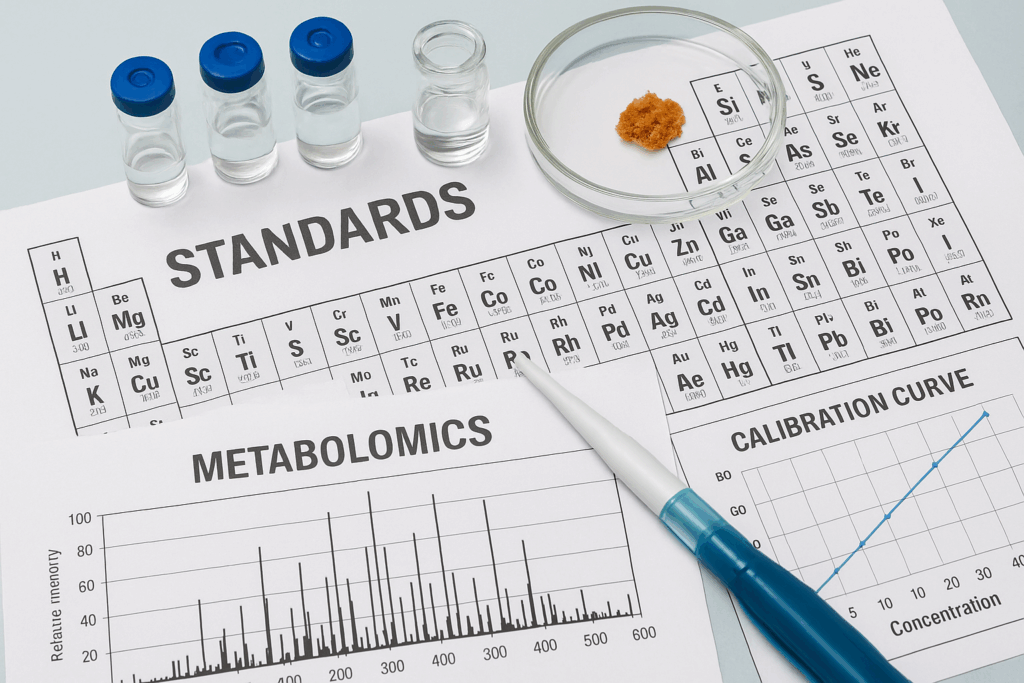
Laboratory setup showing vials, a pipette, chromatogram graphs, and calibration curve charts representing precision and reproducibility in metabolomics internal standards research at IROA Technologies.

Why Researchers Choose to Buy Metabolomics Internal Standards for Accurate Analysis

Precision is the heartbeat of metabolomics research. Every peak, signal, and concentration value tells a story about the biological system under study — but only if the data is accurate and reproducible.

For researchers who value reliability, choosing to buy Metabolomics Internal Standards is a crucial step toward ensuring analytical accuracy and consistency across experiments.

At IROA Technologies, we understand that metabolomic analysis depends on more than high-resolution mass spectrometers or cutting-edge software. It depends on robust internal standards that guarantee each data point reflects biological reality rather than technical variability.

1. What Are Metabolomics Internal Standards? Metabolomics internal standards are stable reference compounds added to biological samples before analysis. They act as benchmarks, correcting for technical variations in sample preparation, extraction, and instrument performance.

These standards may be isotopically labeled (for example, 13C- or...

Chemical structures of isotope-labeled amino acids including Alanine, Glutamine, Leucine, Phenylalanine, Tyrosinamide, and Tyrosine used as internal standards in mass spectrometry.

How Amino Acid Internal Standards Improve Data Reliability in Mass Spectrometry

Mass spectrometry (MS) has become one of the most powerful tools in biological and chemical research, offering unmatched sensitivity and precision in detecting small molecules.

From clinical diagnostics to metabolomics, researchers rely on mass spectrometry to extract accurate data that drives critical decisions. But as with any analytical technique, precision depends heavily on standardization.

This is where amino acid internal standards come in, playing a vital role in improving data reliability. In this blog, we’ll explore what amino acid internal standards are, why they matter, and how they enhance reproducibility, accuracy, and confidence in mass spectrometry results.

What Are Amino Acid Internal Standards? In simple terms, internal standards are compounds of known concentration added to samples before analysis.

Their role is to normalize results and correct for variability that might...

Laboratory flasks with colorful organic acid solutions used in metabolomics research

Organic Acid Library: A Comprehensive Resource for Metabolite Standards

In the field of metabolomics and biochemical research, organic acids play a critical role in understanding cellular pathways, disease mechanisms, and potential therapeutic interventions.

To study these compounds with accuracy and consistency, researchers need access to well-defined standards. This is where the Organic Acid Library becomes an invaluable tool — offering a comprehensive resource for metabolite standards that enable high-precision analysis in laboratories around the world.

What Are Organic Acids? Organic acids are a diverse group of carbon-based compounds characterized by the presence of one or more carboxyl groups (-COOH).

They are essential intermediates in metabolic pathways such as the citric acid cycle (Krebs cycle), glycolysis, and amino acid metabolism.

Common examples include lactic acid, citric acid, fumaric acid, and succinic acid. Because they are so integral to biological processes,...

Phytochemical Standards in Laboratory Research

Why Phytochemical Standards Are Essential in Quality Control and Drug Discovery

In the rapidly evolving world of pharmaceuticals, nutraceuticals, and natural product research, the ability to accurately identify, measure, and reproduce findings is critical.

At the center of this precision lies phytochemical standards the reference compounds that help scientists ensure consistency, accuracy, and reliability in testing plant-based materials.

Whether developing new drugs, testing herbal supplements, or advancing research in metabolomics, phytochemical standards play a vital role in quality control and discovery.

In this article, we’ll explore why they matter, how they’re used, and the future of natural compound analysis. What Are Phytochemical Standards?

Phytochemicals are bioactive compounds naturally found in plants—such as flavonoids, alkaloids, terpenes, and phenolic acids—that often hold therapeutic properties. However, the sheer diversity and complexity of these compounds make them challenging to analyze.

This is where phytochemical standards...

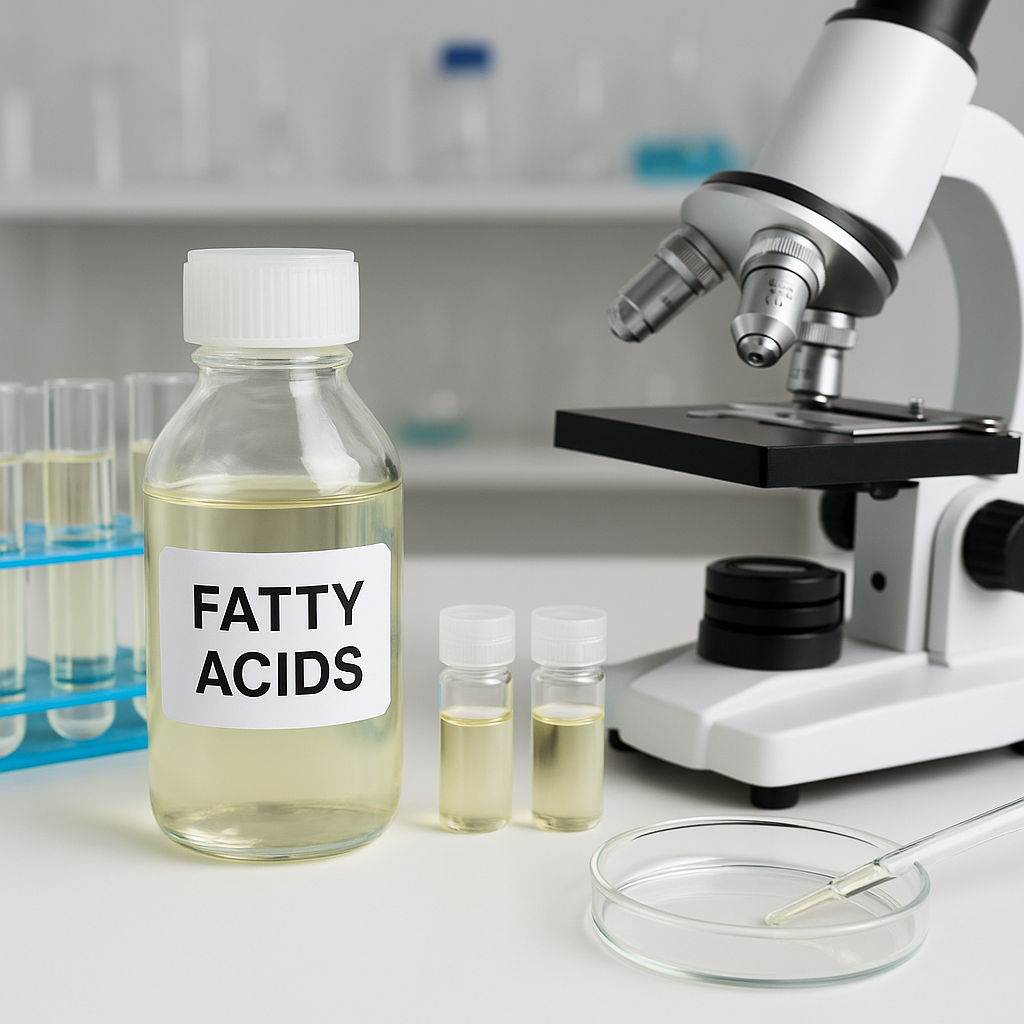
How Fatty Acid Standards Improve Accuracy in Analytical Testing

In scientific research and analytical laboratories, precision is non-negotiable. From food quality control to biomedical studies, the reliability of results depends heavily on using accurate measurement references.

Among the many tools researchers rely on, fatty acid standards play a critical role in ensuring analytical consistency and validity. At IROA Technologies, we understand that high-quality standards are not just an accessory—they are the foundation of reproducible science.

In this article, we’ll explore what fatty acid standards are, why they matter, and how they can elevate analytical testing to new levels of accuracy.

1. What Are Fatty Acid Standards? Fatty acid standards are high-purity reference materials containing known compositions and concentrations of specific fatty acids.

They serve as benchmarks for identifying and quantifying fatty acids in biological, food, environmental, and industrial samples. These standards...

How Bile Acid Metabolite Research Is Transforming Metabolic Science

In the rapidly evolving world of metabolomics, few compounds have captured the attention of researchers quite like bile acids metabolites.

Once viewed solely as digestive agents produced by the liver, bile acids are now understood to play a critical role in energy regulation, immunity, and metabolic disease development.

Today, advances in analytical technologies are unlocking new insights into these compounds—reshaping how we study human health at the molecular level.

At IROA Technologies, we are committed to enabling the next generation of metabolomic discovery. Here’s how bile acid metabolite research is paving the way for breakthroughs in metabolic science—and why it matters for your lab, your research, and ultimately, global health.

What Are Bile Acid Metabolites? To understand their significance, we first need to explore what bile acid metabolites are. Bile...