

The human gut is far more than a digestive tube. It is a living ecosystem filled with trillions of microbes that constantly communicate with our organs, hormones, and immune system. Over the past decade, the microbiome has become one of the most exciting areas of health research. Yet, one critical piece of this puzzle often receives less attention: bile acids and how they interact with gut microbes.
Bile acids are not just digestive chemicals that help break down fats. They act as powerful signaling molecules that influence metabolism, inflammation, and energy balance. When combined with the activity of gut microbes, they form a complex biological network that reveals valuable insights into overall health. This interaction — often described as the bile acids microbiome — is transforming how scientists understand metabolic disease, gut health, and personalized medicine.
At IROA Technologies, advanced metabolomics and analytical tools are helping researchers decode these biochemical relationships with greater accuracy and confidence. Let’s explore what this emerging science tells us and why it matters.
Understanding Bile Acids: Beyond Digestion
Bile acids are produced in the liver from cholesterol and stored in the gallbladder. When you eat, especially foods containing fat, bile is released into the small intestine. There, bile acids emulsify fats so enzymes can break them down and absorb fat-soluble vitamins like A, D, E, and K.
However, digestion is only part of the story. Bile acids also act as messengers that activate specific receptors throughout the body. These receptors regulate:
-
Blood sugar control
-
Cholesterol balance
-
Fat storage and breakdown
-
Inflammatory responses
-
Energy expenditure
After completing their job in the intestine, most bile acids are reabsorbed and recycled back to the liver. A smaller portion travels to the colon, where gut bacteria modify them into new chemical forms called secondary bile acids. These microbial transformations dramatically change how bile acids behave and how they influence the body.
How Gut Microbes Shape Bile Acid Activity
The gut microbiome contains bacteria equipped with enzymes that alter bile acids through processes such as deconjugation and dehydroxylation. These transformations determine which bile acids become more active, less active, or even potentially harmful.
Different microbial populations produce different bile acid profiles. Two people eating the same diet may generate very different bile acid compositions simply because their gut microbes differ. These differences can influence metabolic efficiency, inflammation levels, and disease risk.
At the same time, bile acids influence which microbes thrive in the gut. Some bacteria are resistant to bile acids, while others are sensitive and may be suppressed. This creates a feedback loop where microbes shape bile acid chemistry, and bile acids shape microbial populations.
This dynamic relationship is what scientists describe when they refer to the bile acids microbiome — a biochemical ecosystem that reflects the balance between host metabolism and microbial activity.
What This Means for Gut Health
A healthy gut depends on microbial diversity, stable bile acid signaling, and an intact intestinal barrier. When this balance is disrupted, digestive and immune issues may arise.
Certain bile acids help maintain the integrity of the gut lining, reducing the risk of harmful substances leaking into the bloodstream. Others regulate immune signaling in the intestinal environment, helping prevent excessive inflammation. When microbial diversity declines due to antibiotics, stress, poor diet, or illness, bile acid conversion patterns can change in unfavorable ways.
Imbalances in bile acid metabolism have been associated with:
-
Irritable bowel syndrome (IBS)
-
Inflammatory bowel disease (IBD)
-
Fatty liver disease
-
Chronic inflammation
-
Nutrient malabsorption
Because bile acids reflect both liver function and microbial activity, they provide a unique window into gut health that goes beyond simply measuring which microbes are present.
The Link Between Bile Acids and Metabolism
Metabolism is tightly regulated by bile acid signaling pathways. Bile acids activate receptors that control glucose uptake, insulin sensitivity, lipid metabolism, and energy expenditure. Some bile acids stimulate thermogenesis, helping the body burn more calories, while others influence how fats are stored.
Changes in gut microbes can shift bile acid profiles in ways that promote or hinder metabolic health. Studies have shown that people with obesity, type 2 diabetes, and metabolic syndrome often display altered bile acid patterns and reduced microbial diversity.
This suggests that metabolic disease is not just about calories and genetics. It is also influenced by microbial chemistry and molecular signaling inside the gut. By studying bile acid signatures, researchers can better understand why some individuals are more prone to metabolic dysfunction than others.
Metabolomics: Turning Data Into Insight
Measuring bile acids accurately requires advanced analytical technologies. Metabolomics allows scientists to detect and quantify hundreds of metabolites simultaneously, offering a comprehensive snapshot of biochemical activity in the body.
At IROA Technologies, precision metabolomics solutions help researchers achieve high data quality, reproducibility, and confidence in their findings. Stable isotope labeling techniques minimize variability and enhance quantification, making it easier to identify reliable biomarkers and track subtle metabolic changes.
When metabolomic data is combined with microbiome sequencing and clinical data, researchers gain deeper insight into disease mechanisms, treatment responses, and personalized health strategies. This integrated approach is driving innovation across pharmaceuticals, nutrition science, and diagnostics.
Diet and Lifestyle Influence the Gut Ecosystem
Because bile acids originate from cholesterol and respond directly to food intake, daily lifestyle choices have a strong influence on gut chemistry and microbial balance.
Fiber-rich foods such as vegetables, fruits, legumes, and whole grains promote beneficial bacteria that regulate bile acid metabolism.
Healthy fats, including omega-3 fatty acids, support balanced bile secretion and microbial diversity.
Regular physical activity improves insulin sensitivity and microbial composition.
Probiotics and prebiotics may help restore microbial balance after disruption.
Medication exposure, especially antibiotics, can significantly alter microbial populations and bile acid conversion.
Small, consistent lifestyle changes can create long-term improvements in gut health and metabolic stability.
Clinical and Research Applications

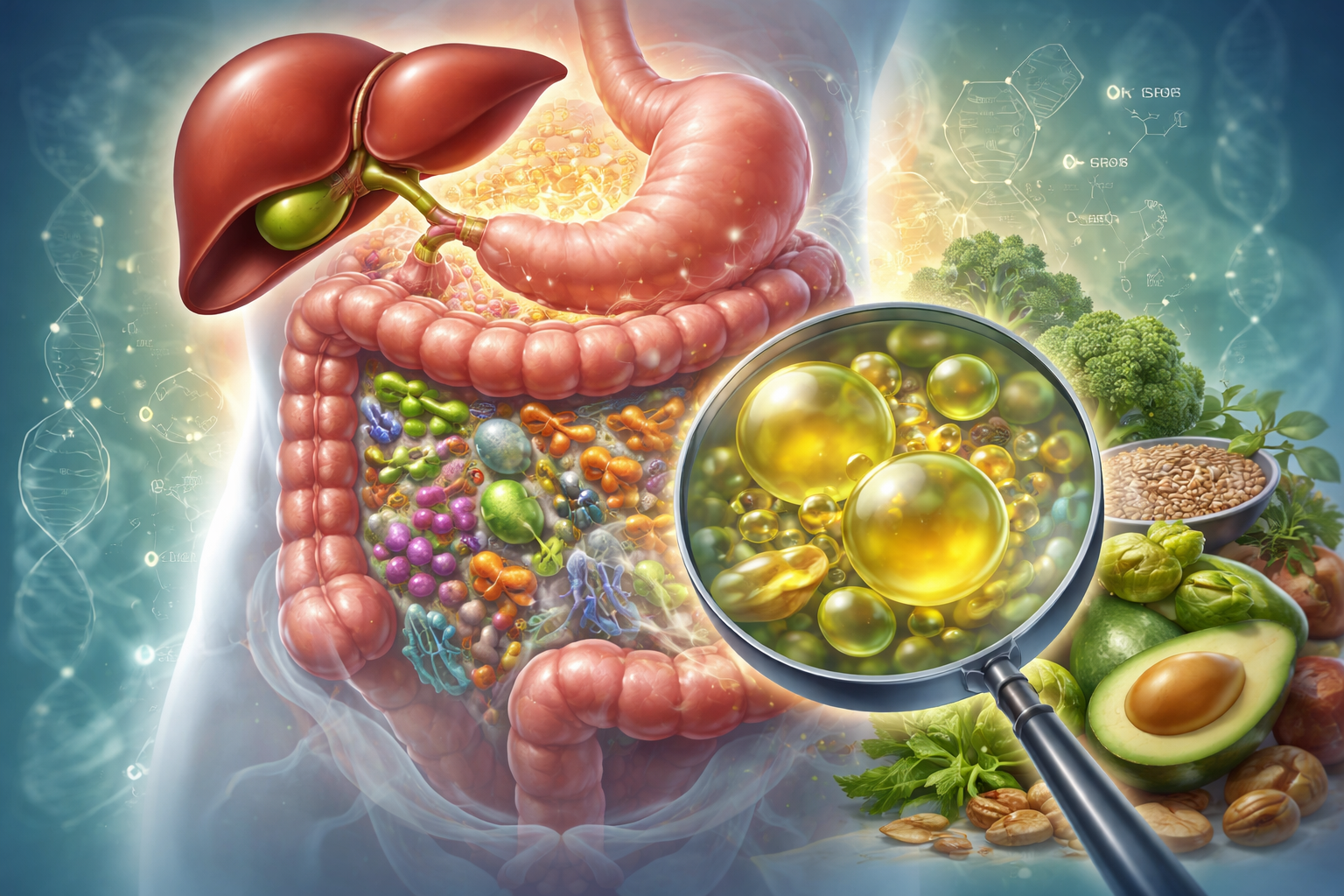
The growing understanding of bile acid–microbiome interactions is opening new possibilities in healthcare. Potential applications include:
-
Early detection of metabolic disease risk
-
Monitoring response to diet and medication
-
Identifying personalized nutrition strategies
-
Discovering new therapeutic targets
-
Improving gut health diagnostics
As artificial intelligence and advanced analytics become more integrated into biomedical research, interpreting complex metabolomic datasets will become faster and more precise.
For readers interested in a broader scientific perspective on microbiome research, the National Institutes of Health’s overview of the human microbiome offers valuable educational resources.
The Future of Personalized Health
As research advances, the ability to analyze the bile acids microbiome will continue to refine how we assess health at the molecular level. Instead of relying solely on symptoms or single biomarkers, clinicians may soon use comprehensive biochemical profiles to guide personalized treatment and prevention strategies.
With robust analytical platforms and data-driven innovation, IROA Technologies supports researchers in translating complex biological signals into actionable insights that improve human health.
Frequently Asked Questions (FAQs)
1. What is the bile acids microbiome?
It refers to the interaction between bile acids and gut microbes that influences digestion, metabolism, and immune regulation.
2. Why are bile acids important for metabolism?
They activate signaling pathways that regulate blood sugar, fat metabolism, and energy balance.
3. How do gut microbes modify bile acids?
Bacteria convert primary bile acids into secondary forms, changing their biological activity and health impact.
4. Can bile acid profiles predict disease?
Yes, altered bile acid patterns are linked to metabolic disorders, inflammation, and gut diseases.
5. How can diet improve bile acid balance?
Eating fiber-rich foods, healthy fats, and maintaining physical activity supports beneficial microbes and balanced bile acid metabolism.
6. What role does IROA Technologies play in this research?
IROA Technologies provides advanced metabolomics tools that improve data accuracy, reproducibility, and biomarker discovery for scientific research.
Conclusion
The interaction between bile acids and gut microbes reveals a powerful layer of biological intelligence within the human body. These molecules do far more than digest fats — they regulate immune balance, influence energy metabolism, and shape microbial ecosystems. By studying the bile acids microbiome, scientists gain a clearer understanding of how gut health connects to metabolic performance and disease risk.
As metabolomics technology continues to evolve, deeper insights into bile acid chemistry will enable earlier diagnosis, better treatment strategies, and more personalized healthcare solutions. Through innovation and precision analytics, IROA Technologies remains at the forefront of helping researchers unlock the full potential of this rapidly expanding field.