

In recent years, the word microbiome has moved from scientific journals into everyday conversations about health, nutrition, and wellness. We now understand that trillions of microbes—bacteria, fungi, viruses, and other microorganisms—live in and on the human body, especially in the gut. These tiny organisms don’t just exist quietly; they actively interact with our bodies by producing thousands of chemical compounds that influence how we feel, function, and even how we age.
Among these compounds, one term stands out in modern life sciences: microbiome metabolite. These molecules act as messengers between microbes and human cells, shaping everything from digestion and immunity to mood and disease risk. But what exactly are they, and why do scientists and healthcare innovators care so much about them?
In this article, we’ll explore what microbiome metabolites are, how they’re produced, what roles they play in the body, and why advanced analytical technologies—like those developed at IROA Technologies—are critical for unlocking their full potential.
Understanding the Microbiome in Simple Terms
The human microbiome refers to the entire community of microorganisms living in our bodies. The gut microbiome alone contains more microbial cells than human cells in the body. These microbes help break down food, synthesize vitamins, regulate immune responses, and protect against harmful pathogens.
Think of your gut as a bustling city. Food enters the city, microbes process it, and useful byproducts are released. Those byproducts are the chemical signals and compounds that communicate with your body’s systems.
What Is a Microbiome Metabolite?
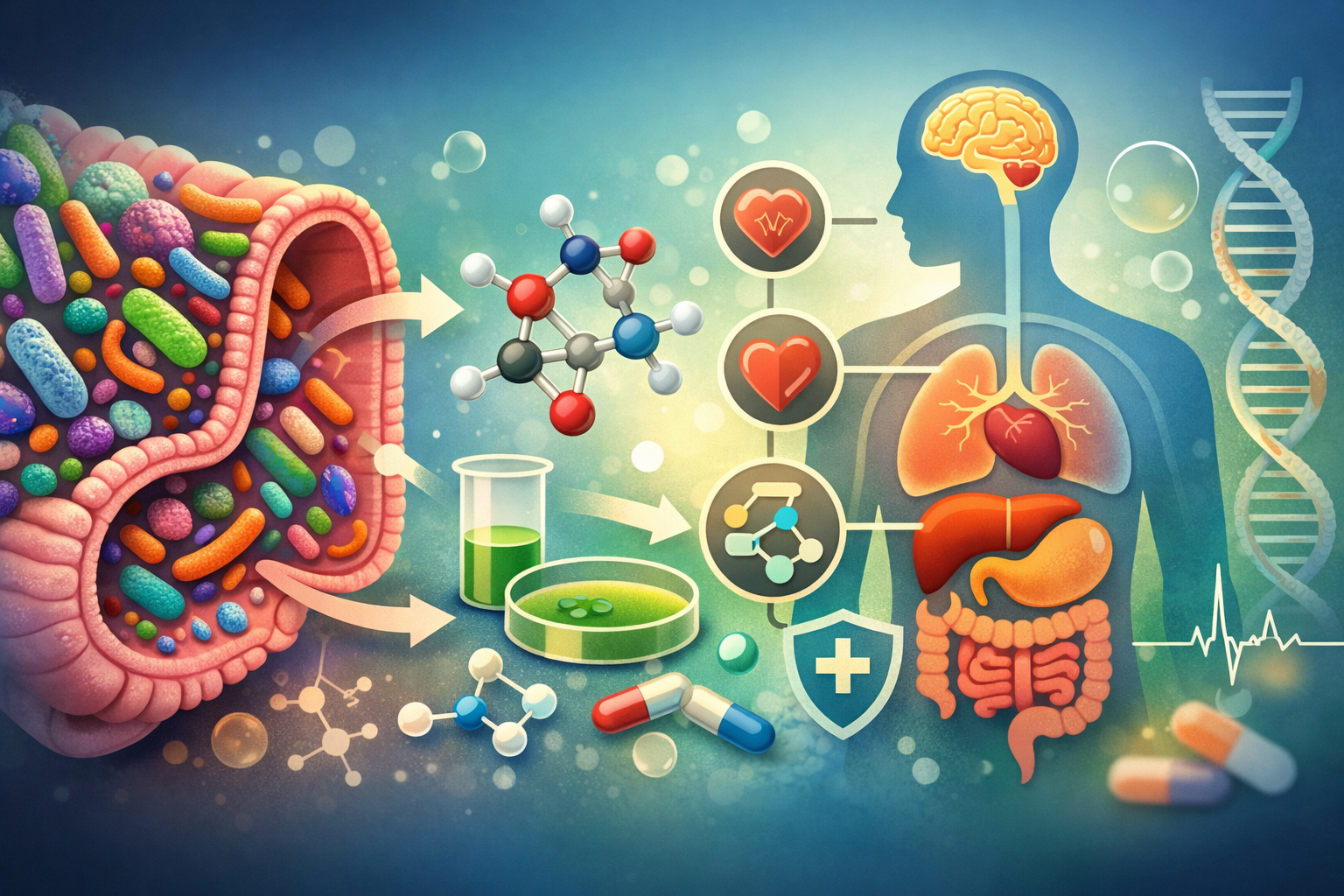
A microbiome metabolite is a small molecule produced when microorganisms break down nutrients, drugs, or host-derived compounds. These metabolites can enter the bloodstream and interact with organs such as the brain, liver, heart, and immune system.
In simple terms, they are the chemical fingerprints of microbial activity. Each person’s microbiome produces a unique blend of metabolites depending on genetics, diet, environment, lifestyle, and medication use.
Some common categories of microbiome-derived metabolites include:
-
Short-chain fatty acids (SCFAs) like acetate, propionate, and butyrate
-
Bile acid derivatives formed during digestion
-
Amino acid metabolites such as tryptophan derivatives
-
Polyphenol metabolites from fruits, vegetables, tea, and coffee
-
Neuroactive compounds that influence brain signaling
These molecules don’t just sit idle—they actively shape how our bodies operate.
How Are Microbiome Metabolites Produced?
The process begins with what you consume and what your body naturally secretes. Many foods contain complex fibers and compounds that human enzymes cannot digest. When these reach the gut, microbes step in and ferment them, creating metabolites as end products.
For example:
-
Dietary fiber → microbial fermentation → short-chain fatty acids
-
Protein residues → microbial breakdown → amino acid metabolites
-
Plant polyphenols → microbial conversion → bioactive compounds
Medications and environmental exposures can also influence metabolite production. Antibiotics may reduce microbial diversity, while probiotics or dietary changes can shift metabolite profiles in beneficial ways.
Why Are These Metabolites So Important?
1. They Support Gut Health
Short-chain fatty acids nourish the cells lining the colon and help maintain the gut barrier. A strong gut barrier prevents harmful bacteria and toxins from leaking into the bloodstream, reducing inflammation and supporting digestive health.
2. They Regulate the Immune System
Many metabolites interact directly with immune cells. Some encourage anti-inflammatory responses, while others stimulate protective immune activity. Balanced metabolite production is linked to reduced risk of allergies, autoimmune disorders, and chronic inflammation.
3. They Influence Metabolism and Energy Balance
Microbial metabolites help regulate blood sugar levels, fat storage, and appetite hormones. This connection explains why gut health is often linked to obesity, diabetes, and metabolic syndrome.
4. They Communicate With the Brain
Certain metabolites cross the blood–brain barrier or influence nerve signaling through the gut–brain axis. These interactions can affect mood, stress response, sleep, and cognitive performance.
5. They Play a Role in Disease Prevention and Progression
Changes in metabolite profiles have been associated with conditions such as cardiovascular disease, inflammatory bowel disease, cancer, and neurodegenerative disorders. Researchers are actively studying these molecules as early biomarkers for disease detection and monitoring.
The Role of Advanced Analytics in Metabolite Research
Because the human body contains thousands of metabolites at varying concentrations, analyzing them accurately is complex. This is where metabolomics—the large-scale study of small molecules—becomes essential.
IROA Technologies specializes in innovative metabolomics solutions that improve accuracy, reproducibility, and confidence in metabolite identification. By using advanced labeling and analytical strategies, researchers can better distinguish true biological signals from noise, enabling deeper insights into microbial activity and human health.
High-quality metabolomics data allows scientists to:
-
Identify previously unknown metabolites
-
Compare healthy and diseased metabolic profiles
-
Track how diet, drugs, or lifestyle changes affect metabolism
-
Develop targeted therapies and personalized nutrition strategies
As the field continues to evolve, reliable measurement tools are critical for turning data into actionable knowledge.
Real-World Applications of Microbiome Metabolite Research
 Personalized Nutrition
 Personalized Nutrition
Instead of generic diet plans, future nutrition programs may be customized based on an individual’s metabolite profile, optimizing gut health, energy levels, and disease prevention.
Drug Development
Pharmaceutical companies are studying how microbial metabolites interact with drugs—sometimes enhancing efficacy, sometimes causing side effects. Understanding these interactions improves drug safety and effectiveness.
Diagnostics and Biomarkers
Specific metabolite patterns can signal early disease risk before symptoms appear. This opens the door for preventive healthcare and earlier interventions.
Microbiome-Based Therapies
Probiotics, prebiotics, and microbiota-based treatments are being designed to shift metabolite production toward healthier outcomes.
For readers who want a deeper scientific background on the microbiome itself, the National Institutes of Health overview of the human microbiome provides an excellent foundation.
Challenges in Studying Microbial Metabolism
Despite rapid progress, several challenges remain:
-
Complexity: Thousands of metabolites interact simultaneously.
-
Variability: Diet, age, geography, and lifestyle cause large differences between individuals.
-
Measurement sensitivity: Many metabolites exist in very low concentrations.
-
Data interpretation: Advanced bioinformatics is needed to extract meaningful patterns.
This is why standardized, high-precision analytical platforms are essential for producing reliable results that can be translated into real-world applications.
Looking Ahead: The Future of Metabolite Science
As technology advances, researchers will gain clearer insights into how microbial chemistry shapes human health. Artificial intelligence, improved mass spectrometry, and integrated biological databases will accelerate discovery and enable more personalized approaches to medicine and wellness.
Companies like IROA Technologies are helping to drive this transformation by providing robust tools that support high-quality metabolomics research across academia, biotech, and clinical laboratories.
Understanding these molecular messengers doesn’t just expand scientific knowledge—it has the potential to redefine how we prevent disease, design treatments, and optimize everyday health.
Frequently Asked Questions (FAQs)
1. What is the difference between the microbiome and metabolites?
The microbiome refers to the community of microorganisms living in the body, while metabolites are the chemical compounds produced by these microbes during their metabolic activities.
2. Can diet change metabolite production?
Yes. Fiber-rich foods, fermented foods, and plant-based diets can significantly influence which metabolites are produced and in what amounts.
3. Are microbiome metabolites always beneficial?
Not always. Some metabolites support health, while others may contribute to inflammation or disease depending on balance and context.
4. How are metabolites measured in research?
Scientists use advanced analytical techniques such as mass spectrometry and metabolomics platforms to detect and quantify metabolites in biological samples.
5. Can metabolite profiles be used for medical diagnosis?
Research suggests that certain metabolite patterns may serve as early biomarkers for diseases, though many applications are still under clinical development.
6. How does IROA Technologies contribute to this field?
IROA Technologies develops innovative metabolomics solutions that improve accuracy, reproducibility, and confidence in metabolite identification, supporting high-quality scientific research and discovery.