
Scientific research depends heavily on accuracy, consistency, and reliability. In the rapidly evolving field of metabolomics, researchers analyze small molecules and metabolites to better understand biological systems, diseases, and treatment responses. However, achieving reliable outcomes across different laboratories and studies remains a major challenge. This is where Metabolomics Standards play a critical role in supporting reproducible science.
Understanding Reproducible Science in Metabolomics
Reproducible science means that independent researchers should be able to perform the same experiment under similar conditions and obtain comparable results. In metabolomics research, reproducibility is essential because scientists often deal with highly complex biological data generated through advanced analytical instruments such as mass spectrometry and nuclear magnetic resonance (NMR).
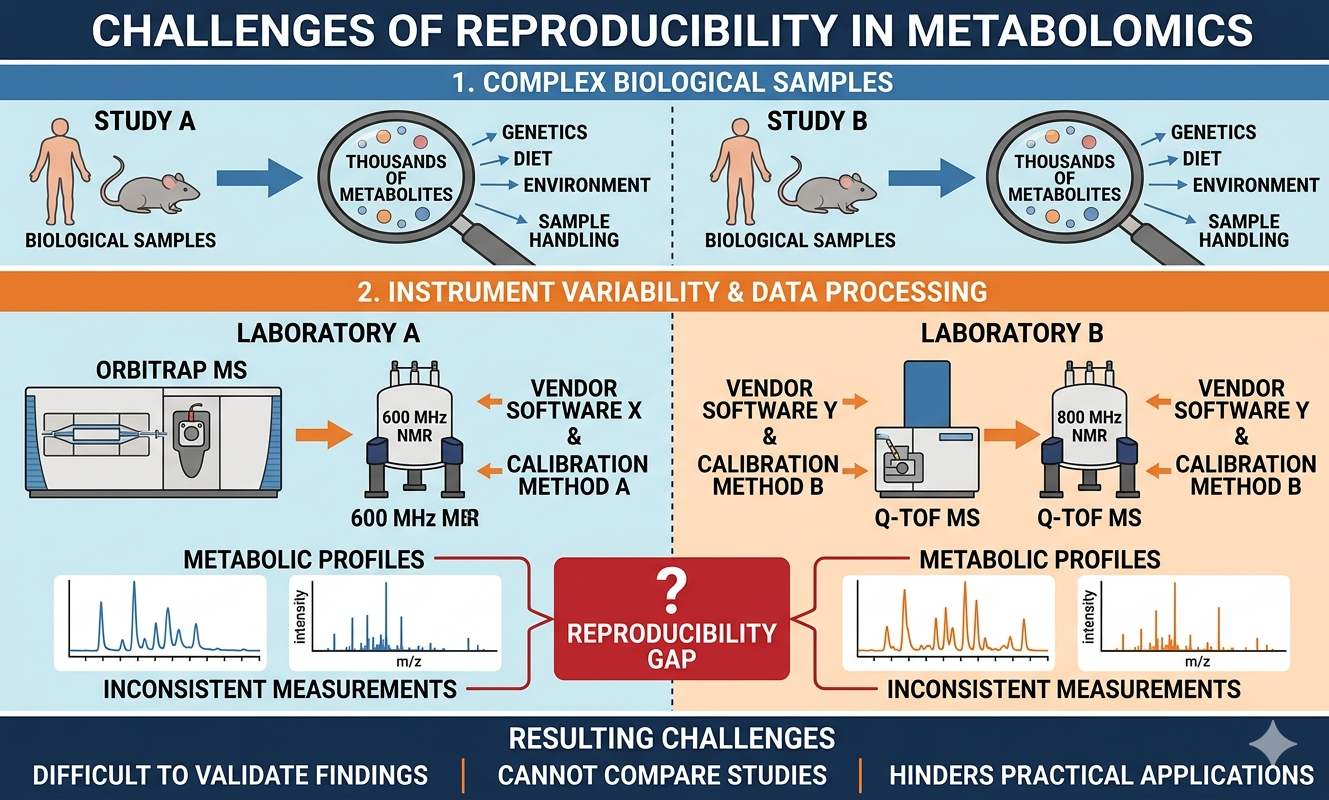
Without consistency in sample preparation, instrument calibration, data acquisition, and analysis methods, results can vary significantly between laboratories. These variations make it difficult to validate findings, compare studies, or translate research into practical applications such as drug development and clinical diagnostics.
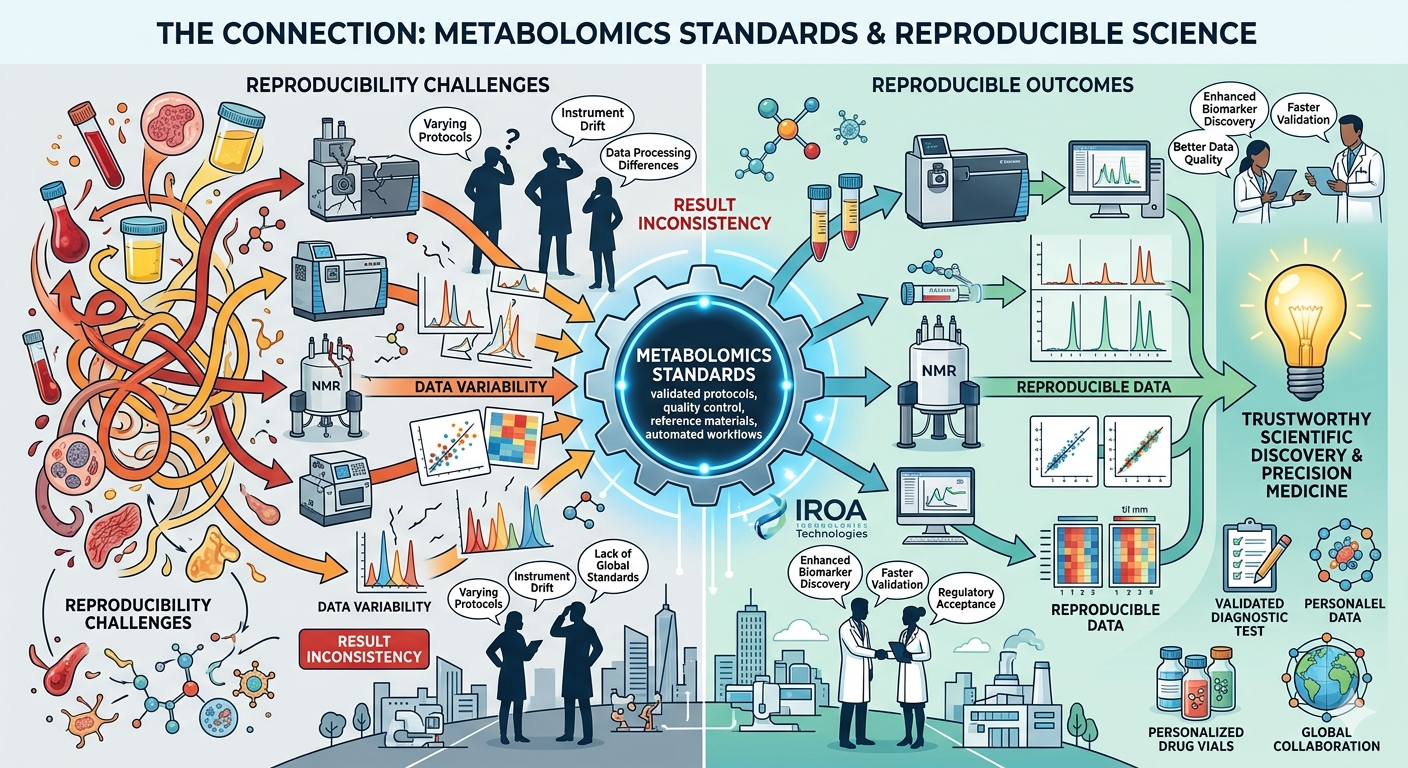
Standardization helps reduce these inconsistencies by establishing clear guidelines for conducting experiments and analyzing metabolomic data.
Why Standards Matter in Metabolomics
The metabolomics workflow involves multiple stages, including sample collection, extraction, data processing, metabolite identification, and interpretation. Even small variations in one step can influence the final results.
By implementing Metabolomics Standards, researchers can:
- Improve data accuracy and consistency
- Minimize technical variations
- Enable reliable comparison across studies
- Increase confidence in biomarker discovery
- Support regulatory compliance and scientific transparency
Standardized approaches also help researchers collaborate more effectively across institutions and countries. When everyone follows similar protocols, data sharing becomes more meaningful and valuable.
The Challenges of Reproducibility in Metabolomics
Although metabolomics has enormous scientific potential, reproducibility challenges still exist due to several factors:
Complex Biological Samples
Biological samples contain thousands of metabolites that can vary based on genetics, environment, diet, and sample handling conditions. Maintaining consistency across experiments can therefore be difficult.
Instrument Variability
Different laboratories may use different instruments, software platforms, or calibration methods. These differences can lead to inconsistent measurements and interpretation.
Data Processing Differences
Metabolomics datasets are large and complex. Variations in statistical analysis, normalization methods, and peak detection algorithms can significantly affect research outcomes.
Lack of Universal Protocols
While progress is being made, some areas of metabolomics research still lack universally accepted procedures, leading to inconsistent practices across the industry.
Addressing these challenges requires advanced technologies, validated methodologies, and a strong commitment to scientific standardization.
How Standardization Supports Better Scientific Outcomes
Standardization improves every stage of the metabolomics workflow. When laboratories follow validated procedures, they can generate more reliable and comparable results.
Improved Data Quality
Consistent protocols reduce experimental errors and technical noise, leading to cleaner and more trustworthy datasets.
Enhanced Biomarker Discovery
Reproducible data increases confidence when identifying biomarkers associated with diseases, drug responses, or metabolic disorders.
Faster Scientific Validation
Research findings can be independently verified more easily when standardized methods are used, accelerating scientific progress.
Better Regulatory Acceptance
In pharmaceutical and clinical settings, regulatory agencies often require reproducible and validated analytical methods. Standardization helps organizations meet these expectations.
The Role of Technology in Standardization
Advanced software platforms and analytical technologies are transforming how researchers approach metabolomics reproducibility. Automation, intelligent data analysis, and quality control tools help reduce human error and improve consistency.
IROA Technologies has been actively involved in developing innovative metabolomics solutions designed to support accurate quantitative analysis and reproducibility. Their isotope-based workflows and advanced analytical systems help researchers achieve more dependable metabolomic measurements.
Technology-driven standardization also enables laboratories to manage large datasets more efficiently while maintaining data integrity throughout the research process.
Collaboration and Industry Initiatives
Global scientific organizations and research communities are working together to establish stronger metabolomics guidelines and best practices. Collaborative initiatives encourage researchers to share protocols, reference materials, and validation methods that improve reproducibility across the field.
One valuable resource for understanding metabolomics research practices is the official Metabolomics Society website: https://metabolomicssociety.org/
These industry-wide efforts are helping build a more transparent and reliable scientific ecosystem where findings can be trusted and replicated successfully.
The Future of Reproducible Metabolomics
As metabolomics becomes increasingly integrated into personalized medicine, nutrition science, and pharmaceutical research, reproducibility will remain a top priority. Researchers, laboratories, and technology providers must continue focusing on quality assurance and standardized methodologies.
Artificial intelligence, machine learning, and cloud-based data platforms are expected to further improve reproducibility by enabling automated analysis and better cross-laboratory collaboration. In the coming years, stronger global frameworks and improved analytical technologies will likely make metabolomics research even more reliable and impactful.
Conclusion
Reproducibility is the foundation of credible scientific discovery, and standardization plays a central role in achieving it. By adopting consistent workflows, validated analytical methods, and advanced technologies, researchers can improve the quality and reliability of metabolomics research.
The growing importance of Metabolomics Standards reflects the scientific community’s commitment to producing trustworthy, repeatable, and meaningful results. Organizations like IROA Technologies continue to contribute valuable innovations that support this mission and help shape the future of metabolomics science.
As the field continues to evolve, stronger standardization practices will be essential for unlocking the full potential of metabolomics in healthcare, biotechnology, and precision medicine.
FAQs
1. What are metabolomics standards?
Metabolomics standards are established guidelines, protocols, and quality control measures used to ensure consistency and reliability in metabolomics research and data analysis.
2. Why is reproducibility important in metabolomics?
Reproducibility ensures that scientific results can be consistently replicated by different researchers and laboratories, increasing trust in research findings and applications.
3. How do standards improve metabolomics research?
Standards help reduce variability, improve data quality, support accurate biomarker discovery, and enable better collaboration across scientific institutions.
4. What technologies support reproducible metabolomics?
Mass spectrometry, isotope labeling methods, automated data analysis software, and advanced quality control systems all contribute to reproducible metabolomics research.
5. How does IROA Technologies support metabolomics research?
IROA Technologies develops innovative analytical solutions and isotope-based workflows that improve data consistency, quantitative accuracy, and reproducibility in metabolomics studies.