
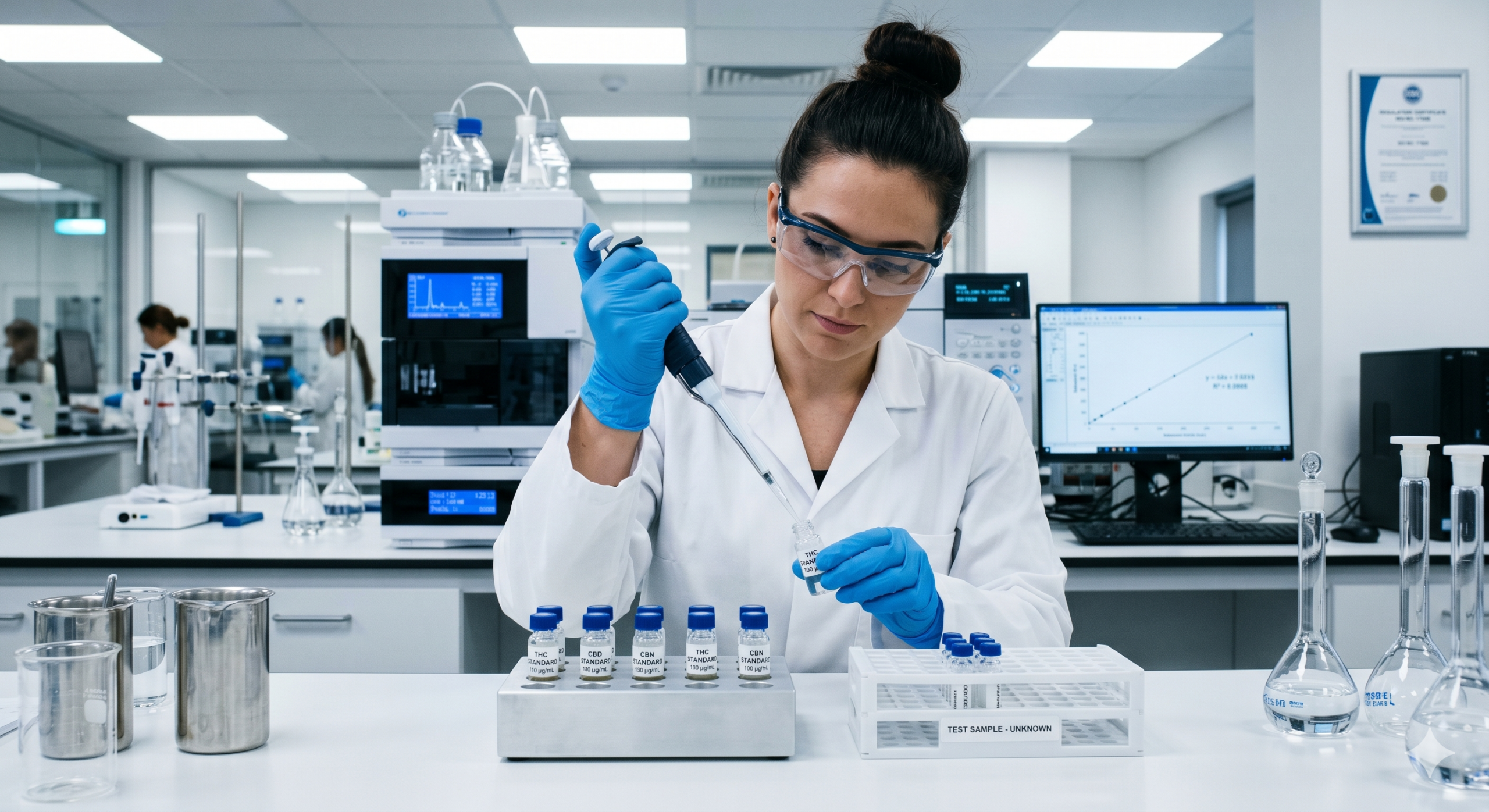
The rapid growth of cannabis research and regulation has transformed analytical testing into a critical component of the industry. From ensuring product safety to verifying potency, laboratories play a vital role in delivering accurate and reliable results. At the heart of this process lies a fundamental element—Cannabinoids Standards.
For beginners stepping into analytical laboratories, understanding these standards is essential. This guide breaks down what they are, why they matter, and how they are used in modern lab environments.
What Are Cannabinoids Standards?
Cannabinoids are naturally occurring compounds found in the cannabis plant, including well-known examples like THC and CBD. In laboratory testing, scientists need a reference point to identify and measure these compounds precisely. This is where standards come into play.
Cannabinoids Standards are highly purified, well-characterized compounds used as benchmarks during analysis. They help laboratories compare unknown samples against known values, ensuring the results are both accurate and reproducible.
Without these standards, it would be nearly impossible to determine the exact concentration of cannabinoids in a sample.
Why Are They Important in Analytical Laboratories?
Analytical labs must meet strict quality and regulatory requirements. Whether testing cannabis products for medical use, recreational markets, or research purposes, precision is non-negotiable.
Here’s why standards are indispensable:
1. Accuracy in Measurement
Standards provide a reference that allows instruments like mass spectrometers and chromatographs to measure cannabinoid levels correctly.
2. Consistency Across Tests
Using the same standard ensures that results remain consistent across different batches and laboratories.
3. Regulatory Compliance
Government bodies require validated methods and reliable data. Standards help labs meet these compliance requirements.
4. Quality Assurance
They act as a control to verify that instruments and methods are working as expected.
How Are Cannabinoids Standards Used?
Understanding how these standards are applied can help beginners grasp their practical importance.
Calibration of Instruments
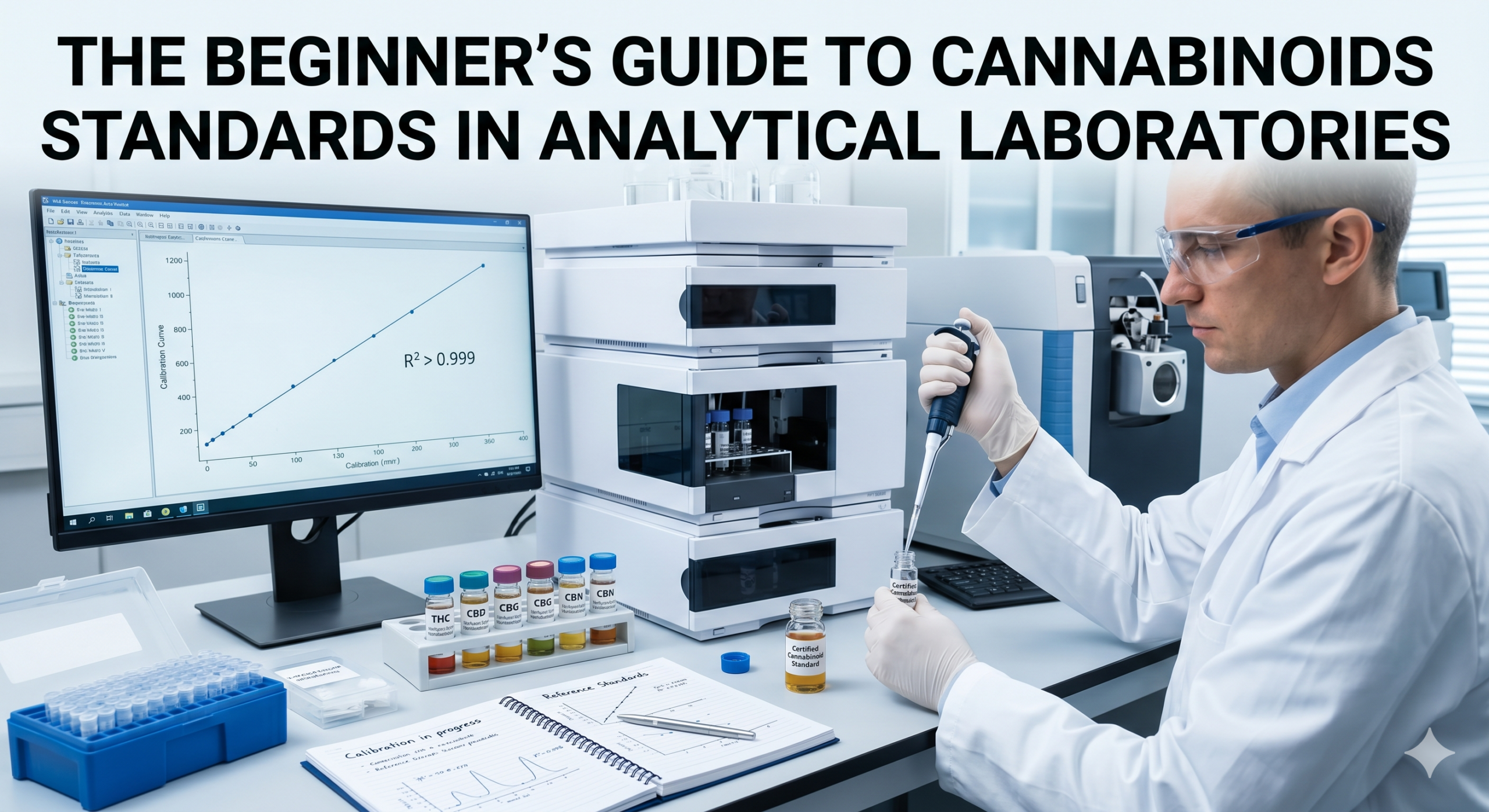
Before analyzing any sample, laboratory instruments must be calibrated. Scientists run known concentrations of standards to create a calibration curve. This curve helps determine the concentration of cannabinoids in unknown samples.
Method Validation
Standards are used to validate testing methods, ensuring they produce accurate and reliable results.
Quality Control Checks
Labs frequently run standards alongside samples to confirm that the testing process remains consistent over time.
Analytical Techniques That Rely on Standards
Several advanced techniques are used in cannabinoid analysis, and all of them depend on reliable standards:
High-Performance Liquid Chromatography (HPLC)
One of the most widely used methods, HPLC separates cannabinoids and measures their concentrations without requiring heat.
Gas Chromatography (GC)
Often used for volatile compounds, GC can analyze cannabinoids but may require derivatization.
Mass Spectrometry (MS)
When combined with chromatography, MS provides highly sensitive and specific identification of cannabinoids.
For more technical insights into cannabis testing methods, you can explore this detailed resource by the
National Institute of Standards and Technology:
https://www.nist.gov
Challenges in Using Cannabinoids Standards
While standards are essential, they also come with certain challenges:
Stability Issues
Some cannabinoids can degrade over time, affecting accuracy if not stored properly.
Cost Factors
High-quality standards can be expensive, especially for labs testing a wide range of compounds.
Availability
Not all cannabinoids have readily available certified standards, particularly newer or less common compounds.
Best Practices for Laboratories
To get the most out of standards, laboratories should follow these best practices:
-
Store standards under recommended conditions to prevent degradation
-
Use certified reference materials from trusted providers
-
Regularly calibrate instruments using fresh standards
-
Maintain detailed documentation for compliance and audits
Companies like Iroa technlogies contribute to improving analytical accuracy by supporting advanced workflows and high-quality data generation, helping labs achieve reliable results.
The Future of Cannabinoid Testing
As the cannabis industry continues to expand, the demand for precise and standardized testing will only grow. Innovations in analytical technologies, combined with improved standard development, are expected to enhance accuracy even further.
Emerging cannabinoids and complex formulations will require even more sophisticated approaches, making standards an ongoing priority for laboratories worldwide.
Conclusion
For anyone entering the field of analytical testing, understanding the role of Cannabinoids Standards is a crucial first step. These standards ensure that laboratory results are accurate, consistent, and compliant with regulatory expectations.
By using reliable reference materials and following best practices, laboratories can maintain high levels of quality and trust in their results. As the industry evolves, these standards will remain a cornerstone of scientific integrity and innovation.
FAQs
1. What are cannabinoids standards used for?
They are used as reference materials to accurately identify and measure cannabinoid compounds in laboratory samples.
2. Why are cannabinoids standards important in testing?
They ensure accuracy, consistency, and compliance with regulatory requirements in analytical testing.
3. Which techniques use cannabinoids standards?
Techniques like HPLC, GC, and mass spectrometry rely heavily on these standards for precise analysis.
4. How should cannabinoids standards be stored?
They should be stored under controlled conditions, usually in cool and dark environments, to maintain stability.
5. Can labs operate without cannabinoids standards?
No, without standards, it is difficult to achieve accurate and reliable results in cannabinoid analysis.