
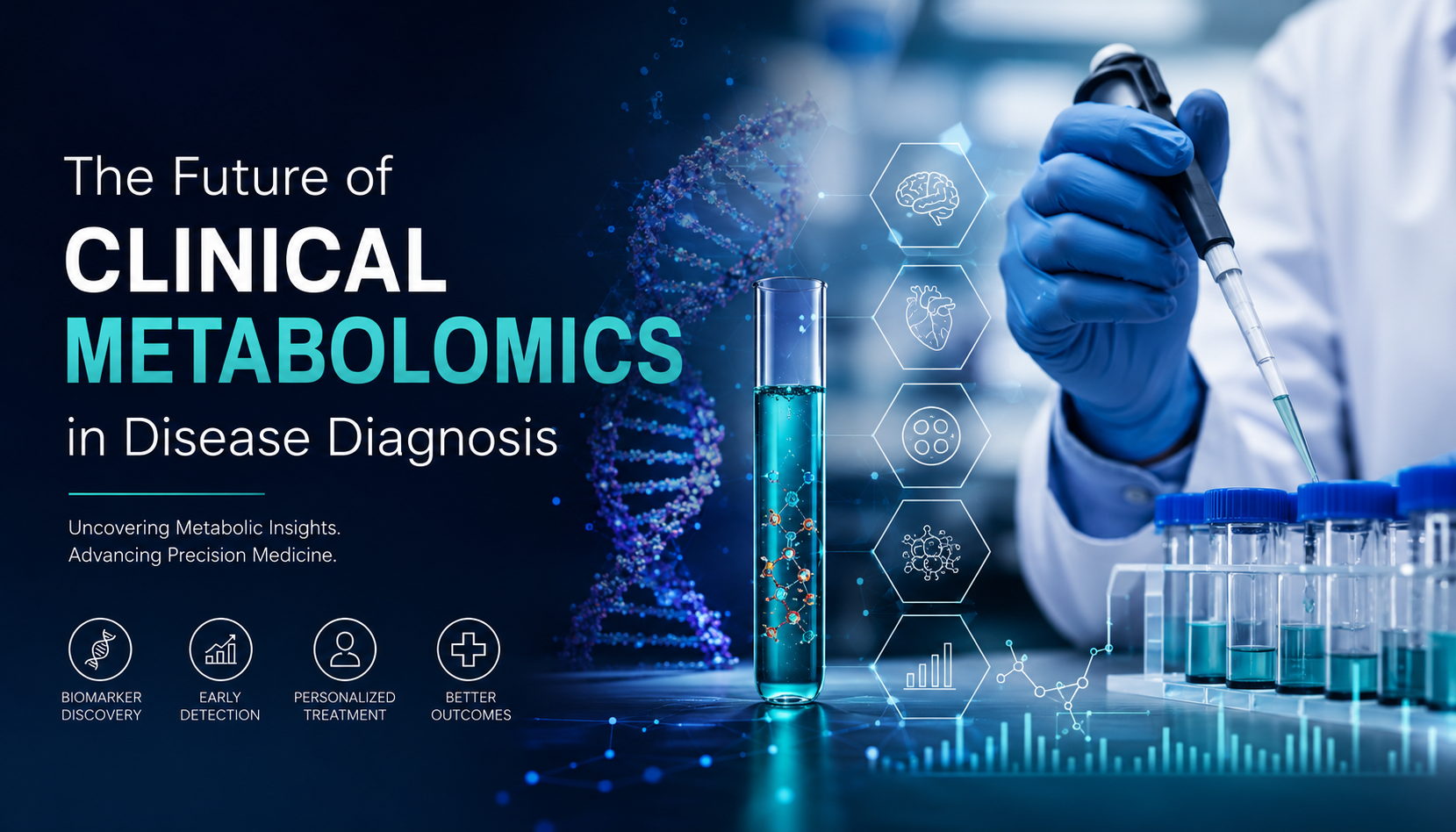
Modern healthcare is being transformed by technologies that allow diseases to be identified earlier and treated more accurately. Among these innovations, Clinical Metabolomics is gaining significant attention for its ability to analyze small molecules and biochemical changes within the human body. Through advanced metabolic profiling, valuable insights into disease mechanisms are being uncovered, allowing healthcare professionals to move toward more precise and personalized medicine.
At IROA Technologies, advanced metabolomics solutions are being developed to support researchers and clinical laboratories in achieving more reliable and reproducible results. As scientific understanding continues to evolve, the future of metabolomics in disease diagnosis is expected to become increasingly important across healthcare systems worldwide.
Understanding Clinical Metabolomics in Modern Medicine
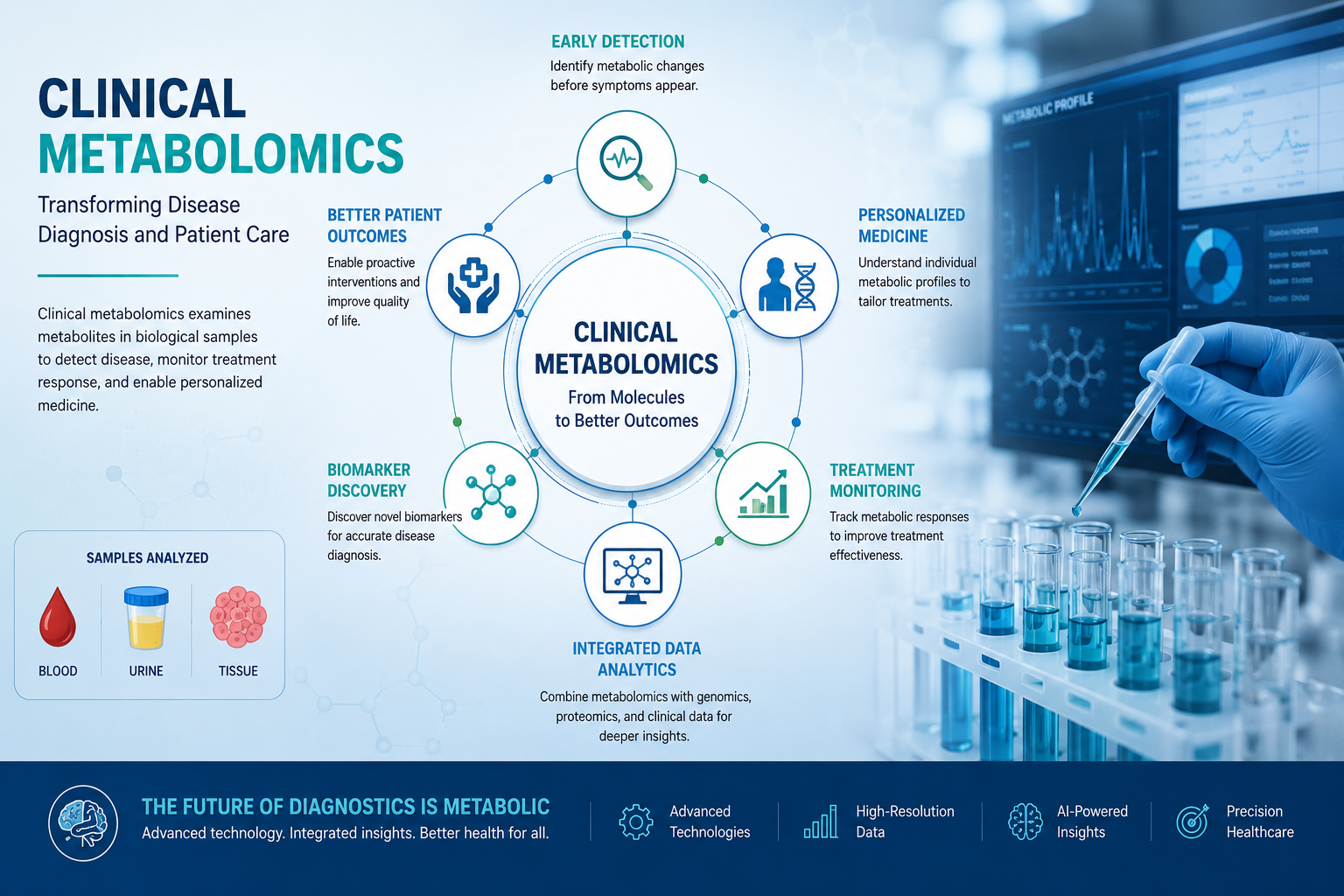
Metabolomics is the scientific study of metabolites, which are small molecules produced during cellular processes. These metabolites can reveal how the body responds to disease, medication, nutrition, and environmental factors. Unlike genetic testing, which focuses on inherited information, metabolomics provides a real-time picture of the body’s current physiological condition.
By analyzing metabolic changes in blood, urine, or tissue samples, early indicators of disease can often be detected before visible symptoms appear. This capability has positioned metabolomics as a powerful tool for improving diagnostic accuracy and patient care.
Why Early Disease Detection Matters
Many serious diseases, including cancer, diabetes, cardiovascular disorders, and neurological conditions, are often diagnosed at advanced stages. Delayed diagnosis can reduce treatment effectiveness and increase healthcare costs.
Through Clinical Metabolomics, abnormal metabolic patterns can be identified at much earlier stages. Subtle biochemical alterations may serve as warning signs of disease progression, enabling clinicians to begin treatment sooner. Earlier intervention often leads to better patient outcomes and improved survival rates.
In cancer research, specific metabolite signatures are being studied to identify tumor development before traditional imaging methods can detect abnormalities. Similar advancements are also being explored for Alzheimer’s disease, where metabolic biomarkers may help identify cognitive decline years before clinical symptoms become visible.
Personalized Medicine and Patient-Specific Care
One of the most promising aspects of metabolomics is its contribution to personalized medicine. Every individual has a unique metabolic profile influenced by genetics, lifestyle, diet, and environmental exposure. Because of this variability, treatments that work effectively for one patient may not produce the same results for another.
Metabolomics allows healthcare providers to better understand how patients respond to therapies at the molecular level. Drug effectiveness, toxicity, and metabolic response can be monitored more accurately, helping physicians design personalized treatment strategies.
As healthcare continues to shift toward patient-centered care, metabolomics is expected to play a central role in tailoring therapies for maximum effectiveness and minimal side effects.
Artificial Intelligence and Data Integration
The future of disease diagnosis will rely heavily on artificial intelligence and advanced data analytics. Metabolomics generates large volumes of complex biological data that require sophisticated computational tools for interpretation.
Machine learning algorithms are now being used to identify hidden metabolic patterns associated with specific diseases. By combining metabolomics data with genomics, proteomics, and clinical information, more comprehensive diagnostic models can be developed.
These integrated approaches may significantly improve predictive diagnostics and disease risk assessment in the coming years. Research institutions and biotechnology companies are investing heavily in AI-powered metabolomics platforms to accelerate clinical applications and improve healthcare decision-making.
Expanding Applications Across Medical Fields
The use of metabolomics is rapidly expanding across multiple areas of medicine. In infectious disease research, metabolic biomarkers are being explored for faster detection of viral and bacterial infections. In cardiovascular medicine, metabolic profiling may help predict heart disease risk before major complications occur.
Neurological research is also benefiting from these advancements. Scientists are investigating metabolic changes associated with conditions such as Parkinson’s disease, depression, and multiple sclerosis. These discoveries may lead to earlier diagnosis and more targeted treatment options.
Additionally, metabolomics is contributing to nutritional science by helping researchers understand how diet influences metabolic health. This information can support preventive healthcare strategies and wellness programs focused on long-term disease prevention.
Challenges That Must Be Addressed
Although the future of metabolomics appears highly promising, several challenges remain. Standardization of laboratory methods, data interpretation, and biomarker validation are critical for broader clinical adoption.
Reproducibility has long been a concern in metabolomics research. Variations in sample preparation, instrumentation, and analytical methods can affect results. For this reason, companies such as IROA Technologies are focused on developing standardized workflows and advanced isotope labeling techniques to improve consistency and data reliability.
Another challenge involves regulatory approval and integration into routine clinical practice. Extensive validation studies are still required before many metabolomics-based diagnostic tests can become widely available in hospitals and diagnostic laboratories.
The Role of Technology in Future Diagnostics
Technological innovation will continue to drive progress in metabolomics. Advances in mass spectrometry, chromatography, and bioinformatics are improving the sensitivity and accuracy of metabolite detection. Faster analytical platforms are also reducing processing times, making clinical implementation more feasible.
As diagnostic technologies become more affordable and accessible, metabolomics may eventually become a standard component of preventive healthcare. Routine metabolic screening could help identify disease risks long before symptoms develop, allowing healthcare systems to focus more on prevention rather than treatment.
According to the National Institutes of Health (NIH) Metabolomics Program metabolomics research continues to expand globally due to its potential to transform disease understanding and precision medicine.
Conclusion
The future of disease diagnosis is being reshaped through innovative scientific approaches that provide deeper insights into human health. Clinical Metabolomics offers a powerful opportunity to detect diseases earlier, personalize treatments, and improve patient outcomes through advanced metabolic analysis.
As technology advances and research continues to expand, metabolomics is expected to become an essential part of modern healthcare. With continued support from industry leaders such as IROA Technologies, the path toward more accurate and preventive medicine is steadily becoming a reality.