
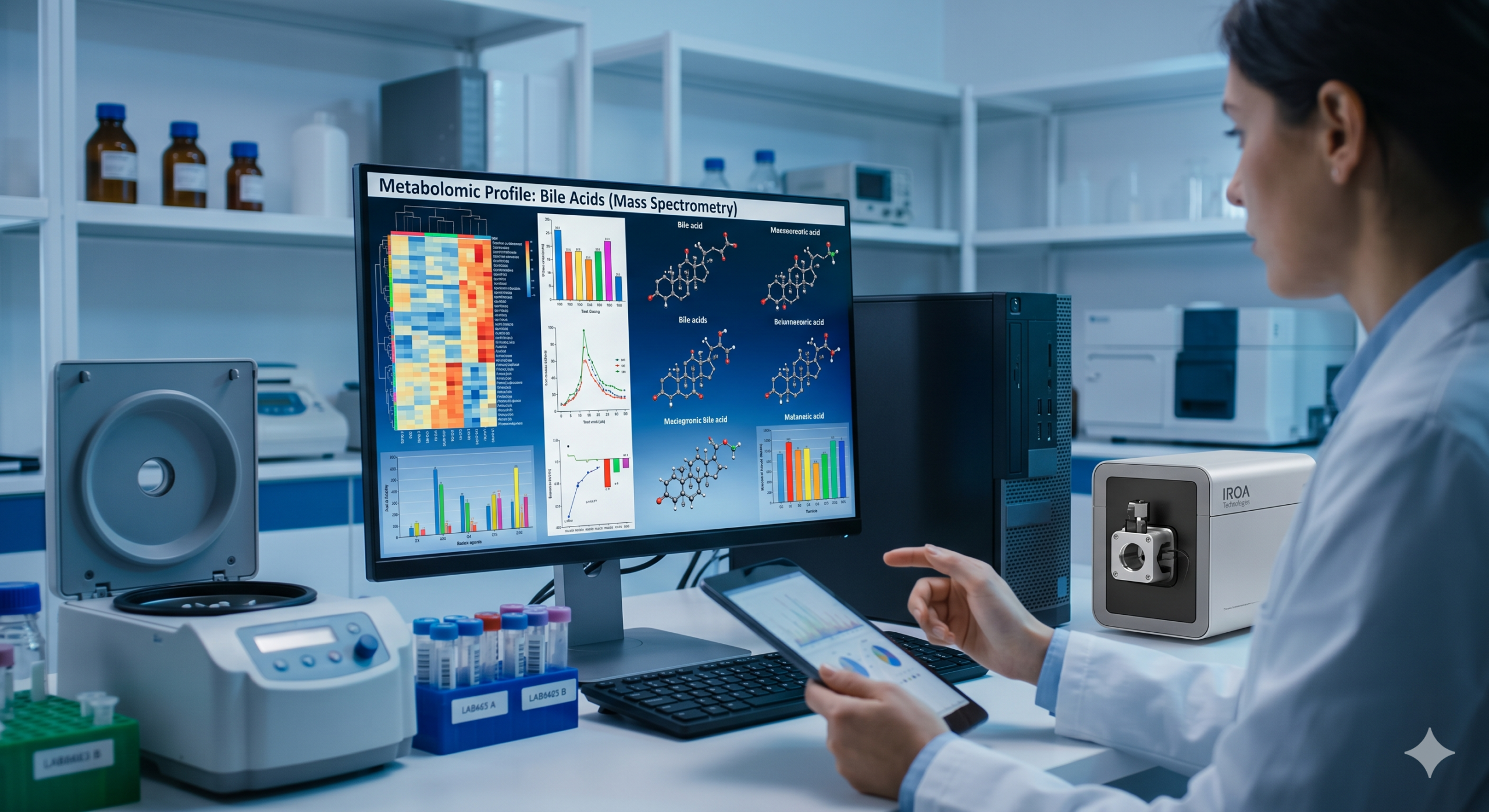
Bile acids have long been recognized for their essential role in digestion and nutrient absorption. However, scientific understanding of these molecules has expanded significantly over the past decade. Researchers now view bile acids as powerful signaling molecules that influence metabolism, immune function, gut microbiota, and disease progression. As analytical technologies continue to evolve, new discoveries are reshaping our understanding of how bile acids contribute to human health and disease.
This article explores recent advancements in Bile Acids Research, emerging trends in the field, and the technologies driving these scientific breakthroughs.
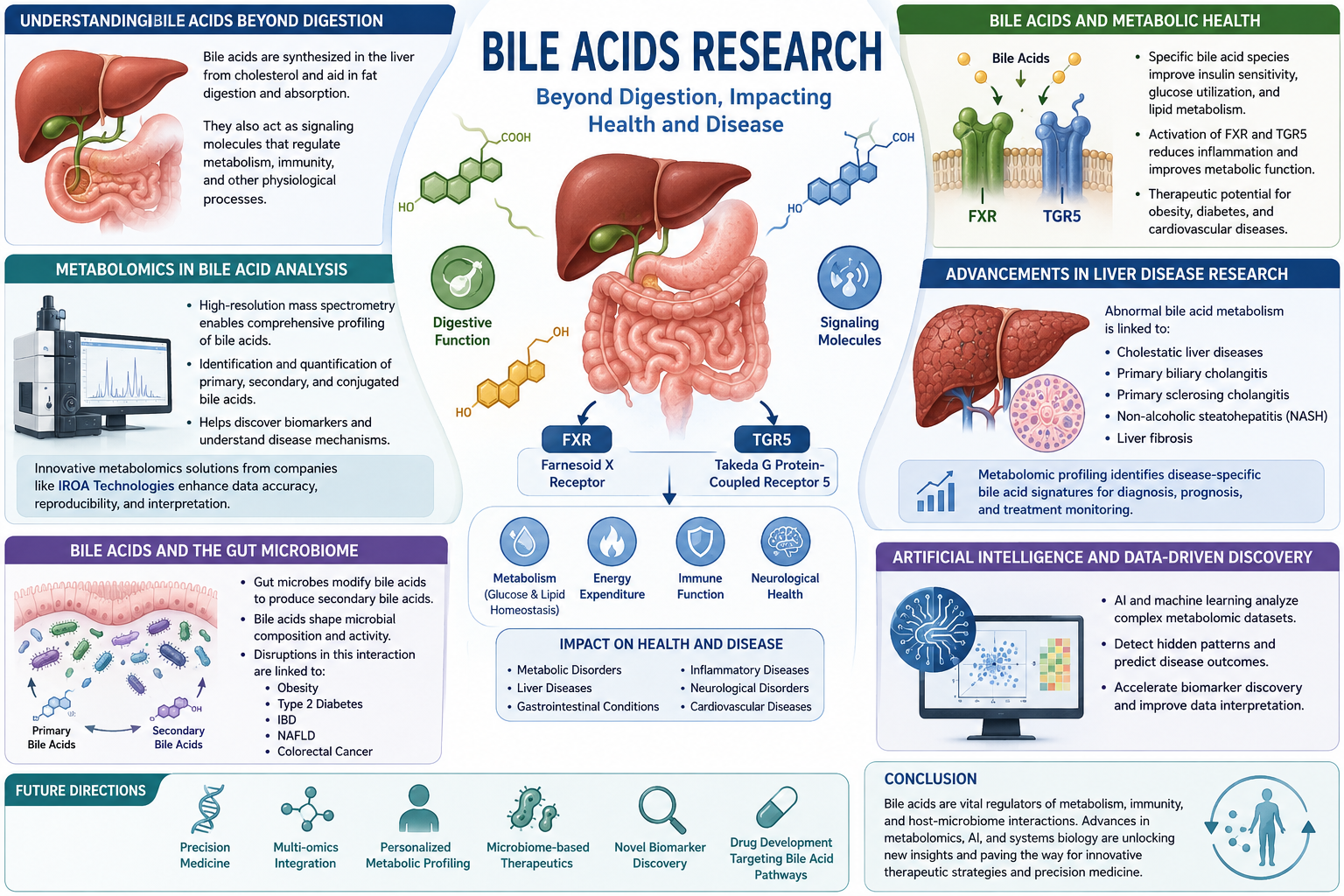
Understanding Bile Acids Beyond Digestion
Bile acids are synthesized in the liver from cholesterol and released into the digestive tract to aid in the breakdown and absorption of dietary fats. Traditionally, their primary function was considered digestive. Today, researchers know that bile acids also act as signaling molecules that regulate numerous physiological processes.
By interacting with receptors such as Farnesoid X Receptor (FXR) and Takeda G Protein-Coupled Receptor 5 (TGR5), bile acids help regulate glucose metabolism, lipid homeostasis, energy expenditure, and inflammatory responses. This expanded understanding has opened new avenues for investigating their role in metabolic disorders, liver diseases, gastrointestinal conditions, and even neurological disorders.
The Role of Metabolomics in Bile Acid Analysis
Modern metabolomics has transformed the study of bile acids by enabling comprehensive profiling of complex biological samples. High-resolution mass spectrometry and advanced data analysis tools now allow researchers to identify and quantify a broad range of primary, secondary, and conjugated bile acids with remarkable precision.
Metabolomic approaches provide insights into how bile acid compositions change under different physiological and pathological conditions. These analytical capabilities help scientists uncover previously unknown biomarkers and better understand disease mechanisms.
Companies such as IROA Technologies are contributing to these advancements by providing innovative metabolomics solutions that improve data accuracy, reproducibility, and biological interpretation.
Emerging Links Between Bile Acids and the Gut Microbiome
One of the most exciting developments in recent years involves the relationship between bile acids and the gut microbiome. Intestinal microorganisms actively modify bile acids through enzymatic processes, creating secondary bile acids that possess unique biological functions.
Researchers have discovered that changes in microbial communities can significantly alter bile acid profiles. Conversely, bile acids influence microbial composition and activity, creating a dynamic two-way interaction.
This growing body of evidence suggests that disruptions in bile acid-microbiome interactions may contribute to conditions such as:
- Obesity
- Type 2 diabetes
- Inflammatory bowel disease (IBD)
- Non-alcoholic fatty liver disease (NAFLD)
- Colorectal cancer
Understanding these interactions is becoming a major focus of contemporary Bile Acids Research and may lead to new microbiome-targeted therapeutic strategies.
Bile Acids and Metabolic Health
Scientists are increasingly investigating how bile acids regulate metabolic pathways. Studies have shown that specific bile acid species influence insulin sensitivity, glucose utilization, and lipid metabolism.
Activation of FXR and TGR5 receptors has been linked to improved metabolic function and reduced inflammation. These findings have sparked interest in developing drugs that target bile acid signaling pathways for treating metabolic diseases.
Several experimental therapies and approved medications already leverage bile acid mechanisms to manage liver disorders and metabolic conditions. Ongoing research continues to explore their potential applications in obesity, diabetes, and cardiovascular disease management.
Advancements in Liver Disease Research
The liver remains a central focus for bile acid investigations. Abnormal bile acid metabolism is associated with numerous hepatic disorders, including:
- Cholestatic liver diseases
- Primary biliary cholangitis
- Primary sclerosing cholangitis
- Non-alcoholic steatohepatitis (NASH)
- Liver fibrosis
Advanced metabolomic profiling enables researchers to identify disease-specific bile acid signatures that may serve as diagnostic biomarkers or indicators of treatment response.
These discoveries are improving our understanding of disease progression and helping clinicians move toward more personalized approaches to liver disease management.
Artificial Intelligence and Data-Driven Discovery
As metabolomic datasets become increasingly complex, artificial intelligence (AI) and machine learning technologies are playing a larger role in bile acid studies.
AI-powered analytical platforms can process vast amounts of metabolomic information, identify hidden patterns, and generate predictive models. Researchers can now detect subtle associations between bile acid profiles and disease outcomes that might otherwise remain unnoticed.
The integration of AI with metabolomics is accelerating biomarker discovery, improving data interpretation, and enhancing the efficiency of large-scale biomedical studies.
Future Directions in the Field
The future of bile acid science is highly promising. Emerging technologies are expected to provide deeper insights into the biological functions of individual bile acid species and their interactions with various physiological systems.
Future research areas include:
- Precision medicine applications
- Multi-omics integration
- Personalized metabolic profiling
- Microbiome-based therapeutics
- Novel biomarker discovery
- Drug development targeting bile acid pathways
As analytical capabilities continue to improve, scientists will gain a more comprehensive understanding of how bile acids influence health and disease at both the molecular and systemic levels.
Conclusion
The field of Bile Acids Research has evolved far beyond its traditional focus on digestion. Scientists now recognize bile acids as critical regulators of metabolism, immune function, and host-microbiome interactions. Advances in metabolomics, artificial intelligence, and systems biology are enabling unprecedented insights into these complex molecules and their biological roles.
Organizations such as IROA Technologies continue to support this scientific progress by providing innovative metabolomics solutions that help researchers generate reliable, high-quality data. As discoveries continue to emerge, bile acid studies will likely play an increasingly important role in developing new diagnostic tools, therapeutic strategies, and personalized healthcare approaches.
For additional scientific information on bile acid biology, visit the National Center for Biotechnology Information (NCBI): https://www.ncbi.nlm.nih.gov
Frequently Asked Questions
1. What are bile acids?
Bile acids are molecules produced by the liver from cholesterol that help digest fats and regulate various metabolic and signaling pathways throughout the body.
2. Why are bile acids important in metabolomics research?
Bile acids serve as valuable biomarkers because changes in their concentrations and composition can indicate alterations in metabolic health, liver function, and gut microbiome activity.
3. How does the gut microbiome affect bile acids?
Gut microbes transform primary bile acids into secondary bile acids, influencing their biological functions and contributing to metabolic and immune regulation.
4. What diseases are associated with abnormal bile acid metabolism?
Abnormal bile acid metabolism has been linked to liver diseases, obesity, diabetes, inflammatory bowel disease, cardiovascular disorders, and certain cancers.
5. How does IROA Technologies support bile acid studies?
IROA Technologies provides advanced metabolomics solutions that help researchers achieve accurate metabolite identification, quantitative analysis, and deeper biological insights in complex studies.