

In recent years, the connection between gut health and overall well-being has gained significant attention. While most discussions focus on gut bacteria, a lesser-known yet equally important player is the bile acids microbiome—a dynamic interaction between bile acids and gut microbes that plays a crucial role in regulating metabolism, immunity, and digestion. Understanding this relationship is opening new doors in personalized medicine and nutrition, offering more precise and effective approaches to health management.
Understanding the Bile Acids–Microbiome Connection
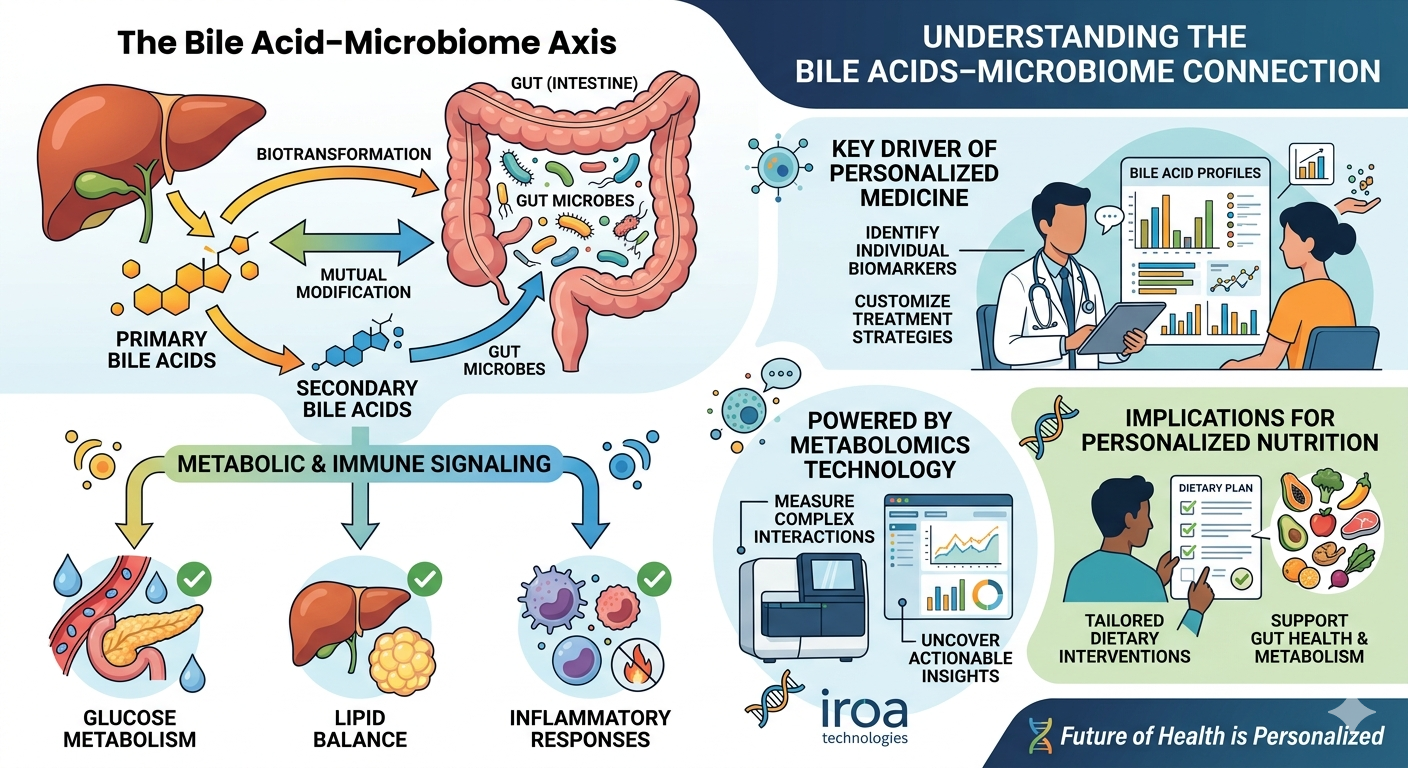
Bile acids are produced in the liver and stored in the gallbladder, where they aid in the digestion and absorption of dietary fats. Once released into the intestine, these compounds undergo chemical transformations by gut bacteria. This interaction creates a complex biochemical network that influences not just digestion, but also metabolic signaling pathways throughout the body.
The microbiome modifies primary bile acids into secondary bile acids, which act as signaling molecules. These signals can regulate glucose metabolism, lipid balance, and inflammatory responses. This is where the concept of the bile acids microbiome becomes particularly important—it represents a two-way communication system where bile acids shape microbial composition, and microbes, in turn, modify bile acid profiles.
A Key Driver of Personalized Medicine
Personalized medicine aims to tailor treatments based on an individual’s unique biological makeup. The bile acid–microbiome interaction provides valuable biomarkers that can help clinicians better understand patient-specific metabolic conditions.
For example, imbalances in bile acid composition have been linked to conditions such as obesity, type 2 diabetes, inflammatory bowel disease, and even certain liver disorders. By analyzing these bile acid profiles alongside gut microbiome data, healthcare professionals can identify early signs of disease and customize treatment strategies.
Advanced metabolomics technologies, such as those developed by iroa technologies, are making it easier to measure and interpret these complex biochemical interactions. These tools enable researchers and clinicians to move beyond generic treatment plans and toward highly individualized care models that improve patient outcomes.
Implications for Personalized Nutrition
Nutrition is no longer a one-size-fits-all approach. What works for one person may not work for another, and the bile acid–microbiome relationship helps explain why. Different individuals have distinct microbial compositions, which influence how bile acids are processed and how nutrients are absorbed.
This means that dietary recommendations can be optimized based on a person’s unique metabolic and microbial profile. For instance, certain diets may promote the production of beneficial bile acid metabolites, while others could disrupt this balance and contribute to metabolic dysfunction.
By studying the bile acids microbiome, nutritionists can design targeted dietary interventions that support gut health, improve metabolic efficiency, and reduce the risk of chronic diseases. This approach is particularly valuable for managing conditions like metabolic syndrome, where diet plays a central role in treatment.
Role in Disease Prevention and Management
One of the most promising aspects of this field is its potential for early disease detection and prevention. Changes in bile acid composition often occur before clinical symptoms appear, making them valuable predictive markers.
For example, altered bile acid signaling has been associated with insulin resistance and chronic inflammation—two key drivers of many modern diseases. By monitoring these changes, healthcare providers can intervene earlier and implement preventive strategies tailored to the individual.
In addition, therapies that target bile acid pathways are already being explored. These include bile acid sequestrants, probiotics designed to modulate microbial activity, and dietary interventions aimed at restoring balance within the gut ecosystem.
For more scientific insights into bile acids and their biological roles, you can explore this resource from the
National Center for Biotechnology Information:
https://www.ncbi.nlm.nih.gov/pmc/articles/PMC3603239/
Technology Driving Innovation
The growing importance of bile acid research is closely tied to advancements in analytical technologies. High-resolution metabolomics and data analytics are enabling scientists to map complex biochemical pathways with greater accuracy than ever before.
Companies like iroa technologies are at the forefront of this innovation, providing tools that help decode metabolic patterns and uncover actionable insights. These technologies are essential for translating scientific discoveries into real-world applications in both clinical and nutritional settings.
As research continues to evolve, the integration of metabolomics, microbiome analysis, and computational biology will further enhance our ability to understand and leverage the bile acid–microbiome axis.
The Future of Health is Personalized
The shift toward personalized medicine and nutrition is not just a trend—it’s a fundamental change in how we approach health and disease. The bile acid–microbiome interaction represents a critical piece of this puzzle, offering insights that go far beyond traditional diagnostics.
By incorporating bile acid profiling into routine health assessments, we can move toward more proactive and preventive healthcare models. This not only improves individual outcomes but also reduces the overall burden on healthcare systems.
As awareness grows and technologies become more accessible, the integration of bile acid research into everyday healthcare practices will become increasingly common. This will empower individuals to make informed decisions about their health, guided by data that reflects their unique biological makeup.
FAQs
1. What is the bile acids microbiome?
It refers to the interaction between bile acids produced by the liver and gut microbes that modify them. This relationship influences digestion, metabolism, and immune function.
2. Why is it important for personalized medicine?
It provides unique biomarkers that help tailor treatments based on an individual’s metabolic and microbial profile, improving accuracy and effectiveness.
3. How does it impact nutrition?
It affects how nutrients are digested and absorbed, allowing for personalized dietary recommendations that align with an individual’s gut microbiome.
4. Can it help in disease prevention?
Yes, changes in bile acid composition can signal early metabolic imbalances, enabling preventive interventions before diseases develop.
5. What role does iroa technologies play in this field?
iroa technologies develops advanced metabolomics solutions that help researchers analyze complex metabolic interactions, including those involving bile acids and the microbiome.