
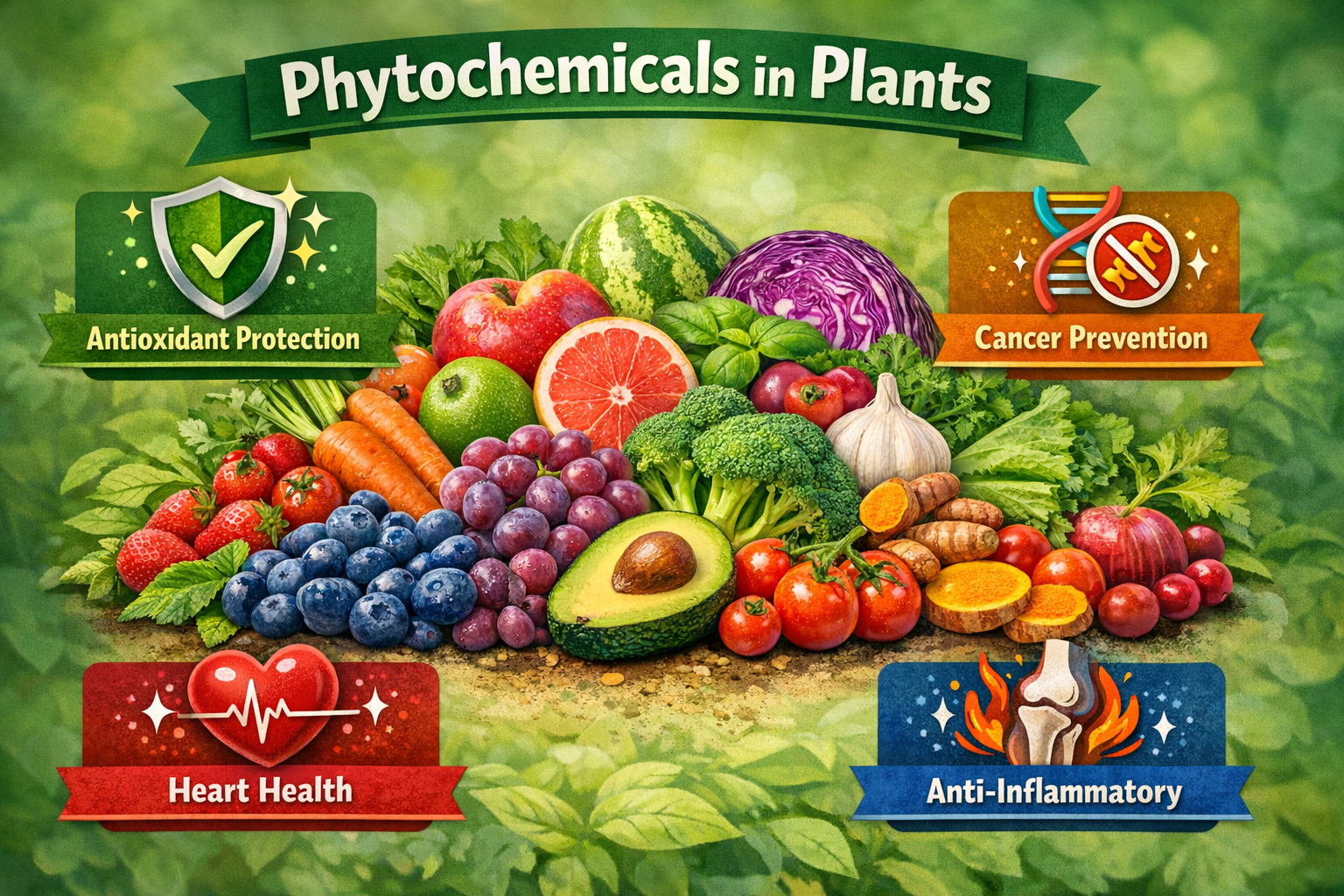
Have you ever wondered why fruits and vegetables come in such vibrant colors? The answer lies in phytochemicals in plants – nature’s incredible compounds that not only give plants their distinctive hues, flavors, and aromas but also offer remarkable health benefits to humans. These naturally occurring substances represent one of the most fascinating aspects of plant biology and nutrition science.
What Are Phytochemicals?
Phytochemicals, derived from the Greek word “phyto” meaning plant, are bioactive compounds that plants produce to protect themselves from environmental stressors such as UV radiation, insects, bacteria, and fungi. Unlike essential nutrients like vitamins and minerals, phytochemicals aren’t required for basic human survival, but research increasingly shows they play crucial roles in disease prevention and overall health optimization.
These powerful compounds act as a plant’s natural defense system, and when we consume them, we inherit many of these protective benefits. Scientists have identified over 25,000 different phytochemicals, with new discoveries being made regularly as research technology advances.
Major Types of Phytochemicals
Polyphenols
Polyphenols represent the largest category of phytochemicals, known for their potent antioxidant properties. This group includes:
- Flavonoids: Found in berries, citrus fruits, tea, and dark chocolate
- Phenolic acids: Abundant in coffee, berries, and whole grains
- Stilbenes: Present in grapes, red wine, and peanuts
Carotenoids
These pigments create the yellow, orange, and red colors in many fruits and vegetables. Key examples include:
- Beta-carotene: Carrots, sweet potatoes, spinach
- Lycopene: Tomatoes, watermelon, pink grapefruit
- Lutein and zeaxanthin: Leafy greens, corn, egg yolks
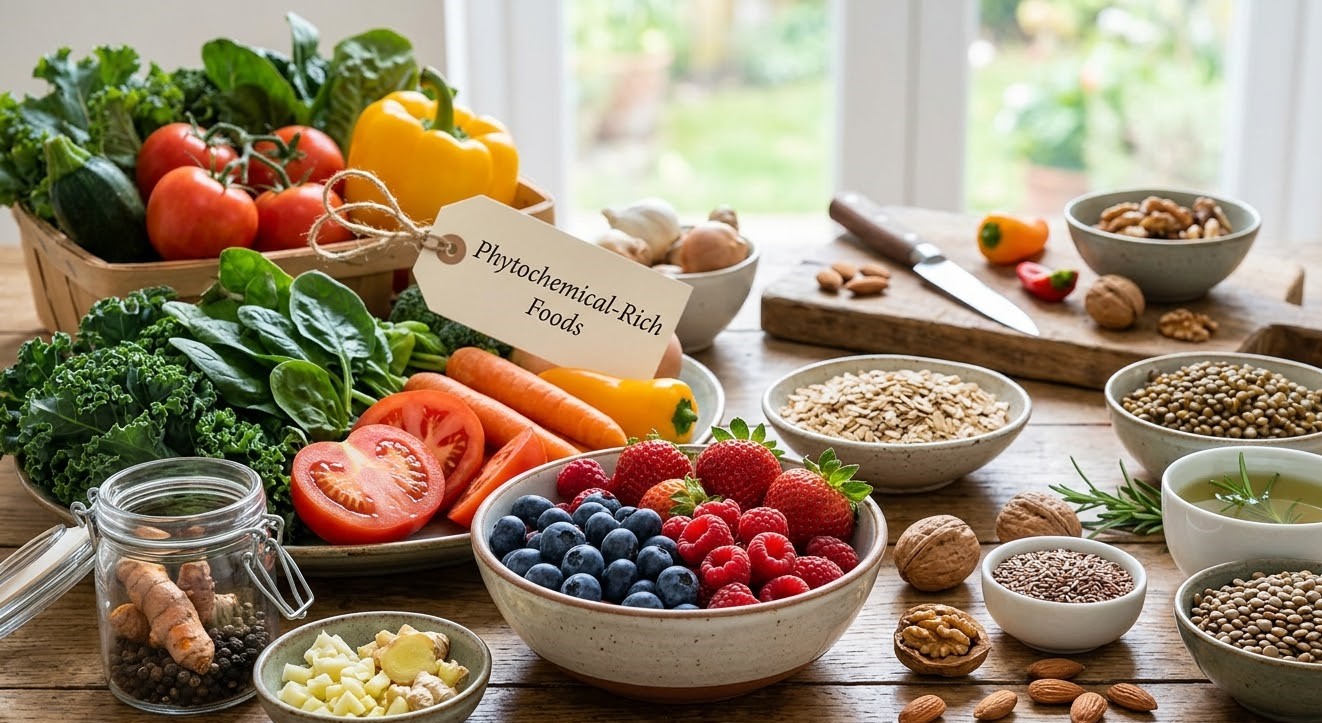
Organosulfur Compounds
Primarily found in cruciferous vegetables and allium family plants:
- Glucosinolates: Broccoli, Brussels sprouts, kale
- Allicin: Garlic, onions, leeks
Phytosterols
Plant-based compounds structurally similar to cholesterol, found in:
- Nuts and seeds
- Vegetable oils
- Whole grains
- Legumes
Health Benefits of Phytochemicals
Antioxidant Protection
Phytochemicals in plants serve as powerful antioxidants, neutralizing harmful free radicals that can damage cells and contribute to aging and chronic diseases. This protection may help reduce the risk of cardiovascular disease, certain cancers, and neurodegenerative conditions.
Anti-Inflammatory Effects
Many phytochemicals possess anti-inflammatory properties, helping to reduce chronic inflammation linked to numerous health conditions including arthritis, heart disease, and diabetes.
Immune System Support
Certain phytochemicals enhance immune function by supporting white blood cell activity and improving the body’s natural defense mechanisms against pathogens.
Heart Health
Studies suggest that regular consumption of phytochemical-rich foods may help lower blood pressure, reduce cholesterol levels, and improve overall cardiovascular health.
Cancer Prevention
Research indicates that some phytochemicals may help prevent cancer by protecting DNA from damage, inhibiting tumor growth, and supporting the body’s natural detoxification processes.
Best Plant Sources of Phytochemicals
Colorful Fruits
- Berries: Blueberries, strawberries, and blackberries are packed with anthocyanins
- Citrus fruits: Oranges, lemons, and grapefruits contain flavanones
- Red and purple grapes: Rich in resveratrol and other polyphenols
Vibrant Vegetables
- Leafy greens: Spinach, kale, and Swiss chard provide lutein and chlorophyll
- Cruciferous vegetables: Broccoli, cauliflower, and cabbage offer glucosinolates
- Colorful peppers: Bell peppers contain various carotenoids
Herbs and Spices
- Turmeric: Contains curcumin, a powerful anti-inflammatory compound
- Garlic: Rich in organosulfur compounds
- Green tea: High in catechins, particularly EGCG
Whole Grains and Legumes
- Quinoa: Contains saponins and phenolic compounds
- Black beans: Rich in anthocyanins and flavonoids
- Oats: Provide beta-glucan and avenanthramides
Maximizing Phytochemical Intake
To optimize the benefits of these plant compounds, consider these strategies:
- Eat the rainbow: Include a variety of colorful fruits and vegetables in your daily diet.
- Choose organic when possible: Organic produce often contains higher phytochemical levels.
- Minimize processing: Fresh, whole foods typically retain more phytochemicals than processed alternatives.
- Cook wisely: Light cooking can sometimes increase phytochemical availability, while overcooking may reduce it.
At Iroa Technologies, we understand the importance of leveraging nature’s wisdom in developing innovative solutions that support human health and well-being through advanced research and technology applications.
Conclusion
The world of phytochemicals in plants offers incredible potential for enhancing human health naturally. By incorporating a diverse array of plant-based foods into our diets, we can harness these powerful compounds to support our body’s natural defenses and promote long-term wellness. As research continues to unveil new discoveries about these remarkable substances, one thing remains clear: plants provide us with an extraordinary pharmacy of health-promoting compounds.
For more detailed scientific information about plant compounds and their health effects, visit the National Institutes of Health’s comprehensive database.
Frequently Asked Questions
Are phytochemical supplements as effective as getting them from whole foods?
While supplements can be beneficial, whole foods provide phytochemicals in their natural context alongside other nutrients that may enhance absorption and effectiveness. The synergistic effect of multiple compounds working together is often superior to isolated supplements.
Can cooking destroy phytochemicals in vegetables?
Some phytochemicals are heat-sensitive and may be reduced through cooking, while others become more bioavailable when cooked. Gentle cooking methods like steaming or light sautéing often provide the best balance of nutrient retention and increased bioavailability.
How many servings of fruits and vegetables should I eat daily to get adequate phytochemicals?
Most nutrition experts recommend 5–9 servings of fruits and vegetables daily, with emphasis on variety and color diversity. This approach typically ensures adequate phytochemical intake across different categories.
Are there any side effects from consuming too many phytochemicals?
When consumed through whole foods, phytochemicals are generally safe. However, concentrated supplements may cause interactions with medications or side effects if taken in excessive amounts. Always consult healthcare providers before starting new supplements.
Do organic foods contain more phytochemicals than conventional ones?
Some studies suggest organic produce may contain higher levels of certain phytochemicals, possibly due to plants producing more protective compounds when grown without synthetic pesticides. However, both organic and conventional fruits and vegetables provide valuable phytochemicals.