Modern healthcare is increasingly focused on early detection and precise diagnosis. Many digestive and metabolic conditions develop silently, showing symptoms only when they have progressed significantly. This is where advanced diagnostic tools play a vital role. One such powerful diagnostic approach is Bile Acid Analysis, a specialized test that helps clinicians evaluate liver function, intestinal health, and metabolic balance.
At IROA Technologies, cutting-edge analytical solutions enable healthcare professionals and researchers to gain deeper insights into metabolic pathways and disease markers. Understanding how bile acids function—and how their imbalance signals disease—can help improve diagnosis, treatment, and long-term patient outcomes.
Understanding Bile Acids and Their Role in the Body
Bile acids are essential compounds produced in the liver from cholesterol. They are stored in the gallbladder and released into the small intestine to aid digestion, especially the breakdown and absorption of fats and fat-soluble vitamins (A, D, E, and K).
Beyond digestion, bile acids play several important roles:
- Regulating metabolism and cholesterol balance
- Supporting gut microbiome health
- Acting as signaling molecules that influence liver and immune function
- Helping eliminate toxins from the body
Because bile acids circulate between the liver and intestines in a tightly regulated cycle, any disruption in this process may signal underlying disease. To better understand their biological functions and importance in human health, refer to this resource from the National Institutes of Health.
What Is Bile Acid Analysis?
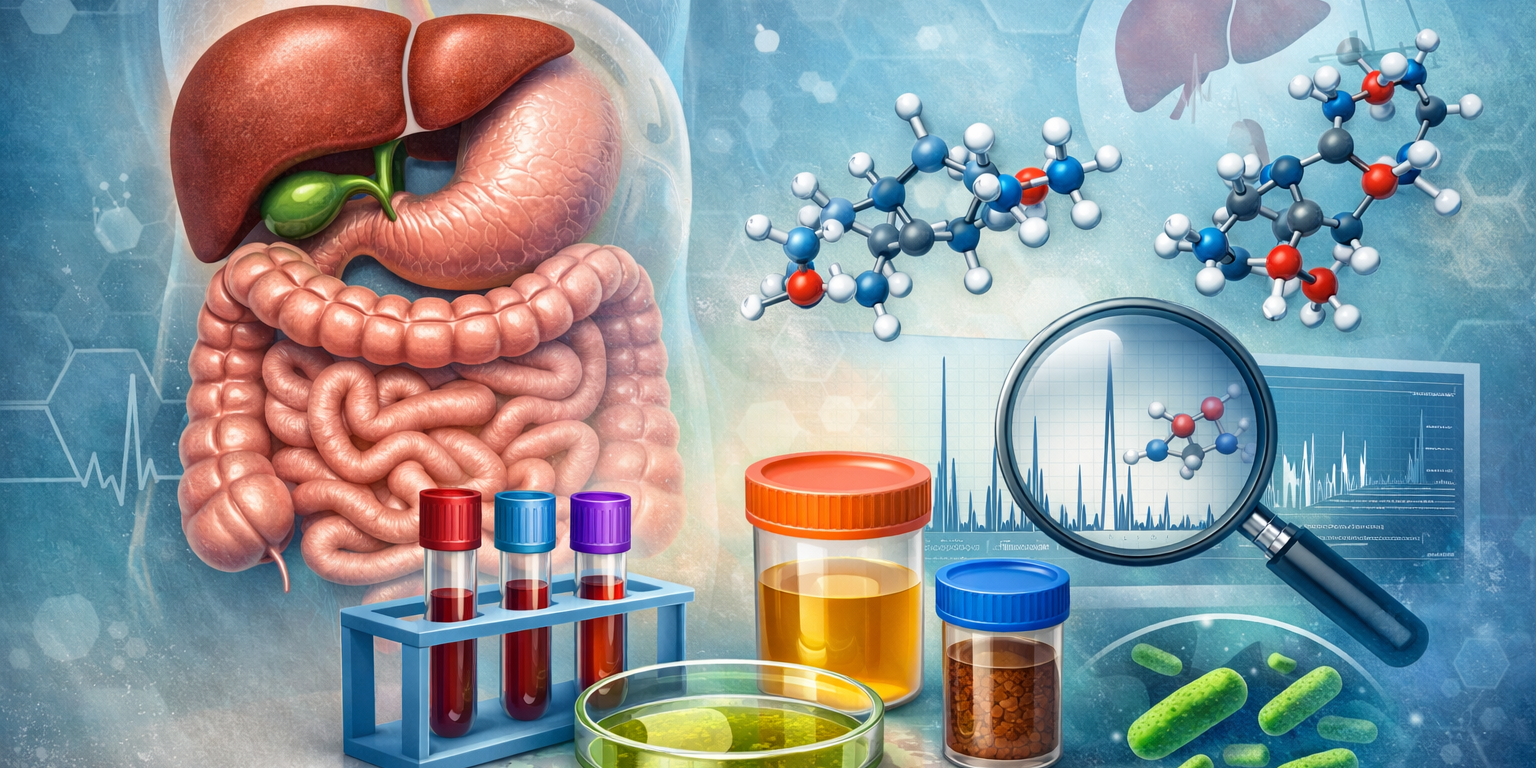
Bile Acid Analysis is a laboratory test that measures the concentration and composition of bile acids in biological samples such as blood, urine, or stool. This analysis provides insight into liver function, intestinal absorption, microbiome activity, and metabolic regulation.
Using advanced analytical platforms and metabolomics technologies—like those developed by IROA Technologies—researchers and clinicians can detect subtle changes in bile acid profiles that traditional tests may miss.
Why Bile Acid Balance Matters for Health
Healthy bile acid metabolism ensures proper digestion and detoxification. However, disruptions can lead to digestive distress, inflammation, metabolic disorders, and liver dysfunction.
Abnormal bile acid levels may indicate:
- Impaired bile flow (cholestasis)
- Liver cell damage
- Intestinal absorption problems
- Microbiome imbalances
- Metabolic disorders
Because bile acids interact closely with both the liver and gut, their analysis provides a unique window into overall digestive and metabolic health.
How Bile Acid Analysis Detects Liver Disorders
1. Identifying Cholestasis
Cholestasis occurs when bile flow from the liver is reduced or blocked. This can result from liver disease, bile duct obstruction, or pregnancy-related conditions. Elevated bile acids in the blood are often an early indicator of this condition.
2. Detecting Liver Injury
When liver cells are damaged due to hepatitis, fatty liver disease, or toxin exposure, bile acid metabolism is disrupted. Altered bile acid patterns can signal liver dysfunction before symptoms become severe.
3. Monitoring Liver Disease Progression
Chronic liver diseases, including cirrhosis and non-alcoholic fatty liver disease (NAFLD), influence bile acid synthesis and circulation. Regular testing helps monitor disease progression and treatment effectiveness.
How Bile Acid Analysis Reveals Gut Disorders
1. Diagnosing Malabsorption Issues
Bile acids are necessary for fat digestion. If they are not properly reabsorbed in the small intestine, patients may experience diarrhea, nutrient deficiencies, and weight loss. Testing can help identify bile acid malabsorption (BAM).
2. Understanding Gut Microbiome Imbalances
Gut bacteria modify bile acids during digestion. Changes in bile acid composition can indicate microbiome dysbiosis, which is linked to inflammatory bowel disease (IBD), irritable bowel syndrome (IBS), and metabolic conditions.
3. Detecting Inflammatory Conditions
Inflammatory disorders such as Crohn’s disease and ulcerative colitis can interfere with bile acid recycling. Altered bile acid profiles may support diagnosis and disease monitoring.
The Role of Advanced Metabolomics in Bile Acid Analysis
Traditional liver function tests provide valuable information but often lack the sensitivity needed to detect early metabolic changes. Advanced metabolomics approaches allow scientists to analyze multiple bile acid species simultaneously, offering a more comprehensive view of metabolic health.
IROA Technologies specializes in high-precision metabolomics platforms that enhance reproducibility and accuracy. Their stable isotope labeling techniques enable researchers to distinguish between biological variation and analytical noise, improving confidence in diagnostic insights.
To learn more about bile acid metabolism and its biological importance, visit the ****.
Conditions Associated with Abnormal Bile Acid Levels
Bile acid imbalances may be linked to:
- Liver diseases (hepatitis, cirrhosis, NAFLD)
- Cholestatic disorders
- Bile acid malabsorption
- Inflammatory bowel disease
- Gallbladder dysfunction
- Metabolic syndrome and obesity
- Pregnancy-related liver conditions
- Certain cancers affecting the digestive system
Early Detection
Subtle metabolic changes can be detected before symptoms appear, enabling early intervention.
Improved Diagnostic Accuracy
Provides additional insight beyond standard liver enzyme tests.
Personalized Treatment
Helps physicians tailor treatment strategies based on individual metabolic profiles.
Monitoring Treatment Outcomes
Tracks disease progression and treatment effectiveness over time.
Research and Drug Development
Supports clinical research into metabolic disorders, gut health, and liver diseases.
What Patients Can Expect During Testing


Bile acid testing is typically simple and non-invasive. Depending on the clinical need, samples may include:
- Blood samples to assess circulating bile acids
- Stool samples to evaluate digestion and microbiome interactions
- Urine samples to measure bile acid metabolites
Preparation requirements vary but may include fasting before a blood test. Your healthcare provider will provide specific instructions.
The Future of Digestive Health Diagnostics
As research continues to uncover the complex relationship between bile acids, metabolism, and the microbiome, diagnostic tools are becoming more sophisticated. Bile acid profiling is emerging as a critical biomarker for detecting disease, understanding metabolic health, and guiding personalized medicine.
Companies like IROA Technologies are advancing this field by providing robust metabolomics solutions that enable clinicians and researchers to unlock deeper insights into liver and gut health.
Conclusion
Bile acids are far more than digestive helpers—they are key regulators of metabolic and intestinal health. Bile Acid Analysis offers a powerful window into liver function, gut integrity, and systemic metabolism. By detecting imbalances early, this test supports timely diagnosis and improved patient outcomes.
With innovative technologies from IROA Technologies, healthcare providers and researchers can harness advanced metabolomics to better understand disease mechanisms, personalize treatments, and improve long-term health management.
FAQs
1. What is bile acid analysis used for?
Bile acid analysis helps evaluate liver function, bile flow, fat digestion, and gut health. It is often used to diagnose liver disease, bile acid malabsorption, and digestive disorders.
2. Who should consider bile acid testing?
Doctors may recommend this test for patients experiencing chronic diarrhea, unexplained digestive symptoms, suspected liver disease, or metabolic disorders.
3. Is bile acid analysis painful?
No. Most tests involve routine blood draws or stool sample collection, which are minimally invasive.
4. Can bile acid imbalance cause digestive symptoms?
Yes. Imbalances can lead to diarrhea, bloating, fat malabsorption, and nutrient deficiencies.
5. How does bile acid analysis help detect liver disease early?
Changes in bile acid levels can indicate impaired bile flow or liver dysfunction before symptoms become noticeable.
6. How does the gut microbiome affect bile acids?
Gut bacteria modify bile acids during digestion. Microbial imbalances can alter bile acid composition, influencing digestion, inflammation, and metabolism.