In today’s data-driven world, the volume of information generated every second is staggering. From social media interactions and e-commerce transactions to enterprise databases and IoT devices, organizations are constantly dealing with massive datasets. Traditional search systems often struggle to keep up with this scale, leading to slower performance and limited accuracy. This is where Cluster Search Engines are stepping in to reshape how data is stored, processed, and retrieved.
Understanding the Shift in Data Retrieval
The way businesses handle data has evolved dramatically over the past decade. Earlier, centralized systems were enough to manage structured datasets. However, modern data environments are more complex, distributed, and dynamic. Companies now require systems that can process large volumes of data quickly while maintaining accuracy and reliability.
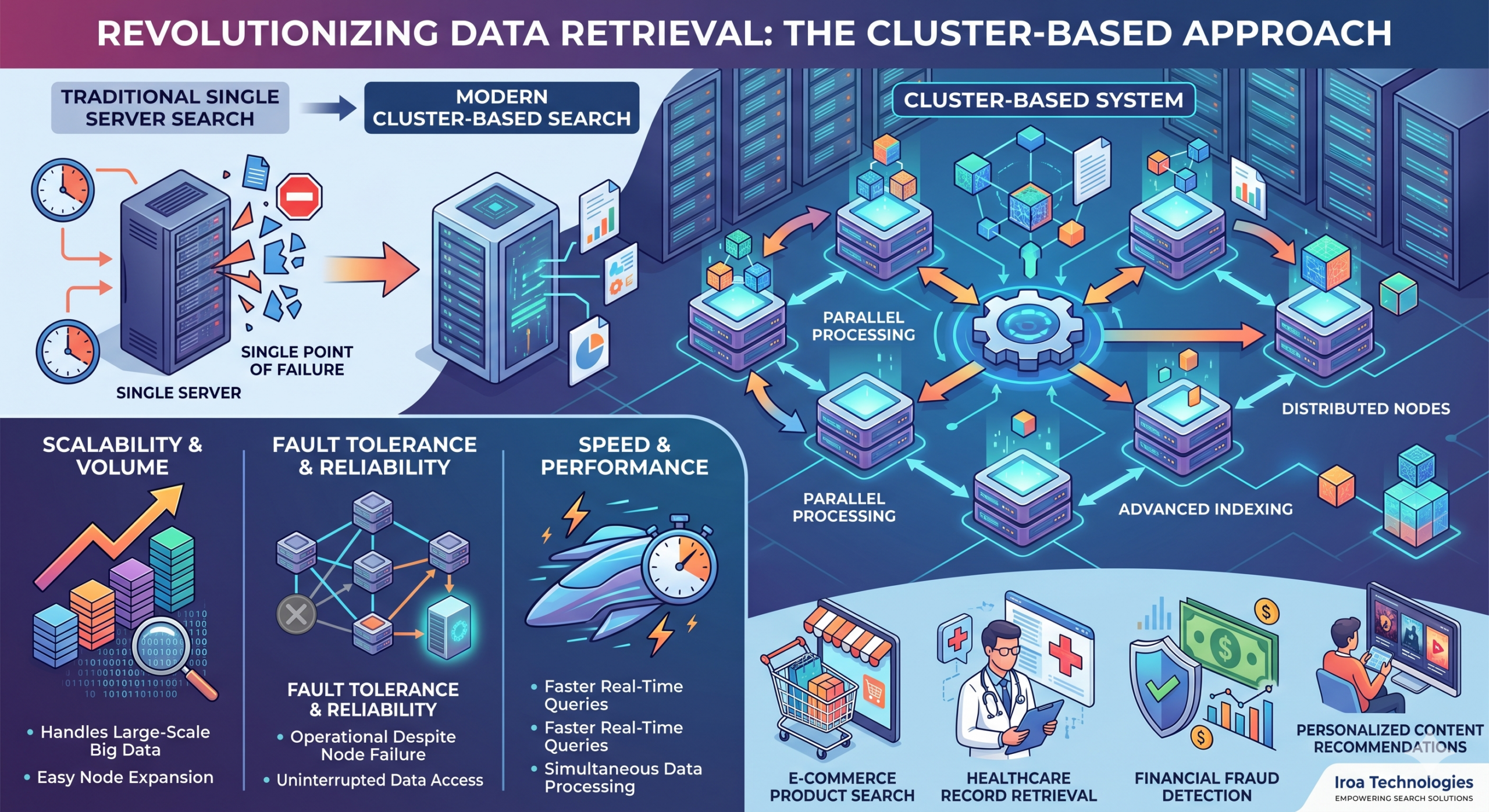
Cluster-based search systems address these needs by distributing data across multiple nodes instead of relying on a single server. This approach not only improves performance but also ensures that the system remains operational even if one part fails. As a result, organizations can deliver faster and more reliable search experiences to their users.
How Cluster-Based Systems Work
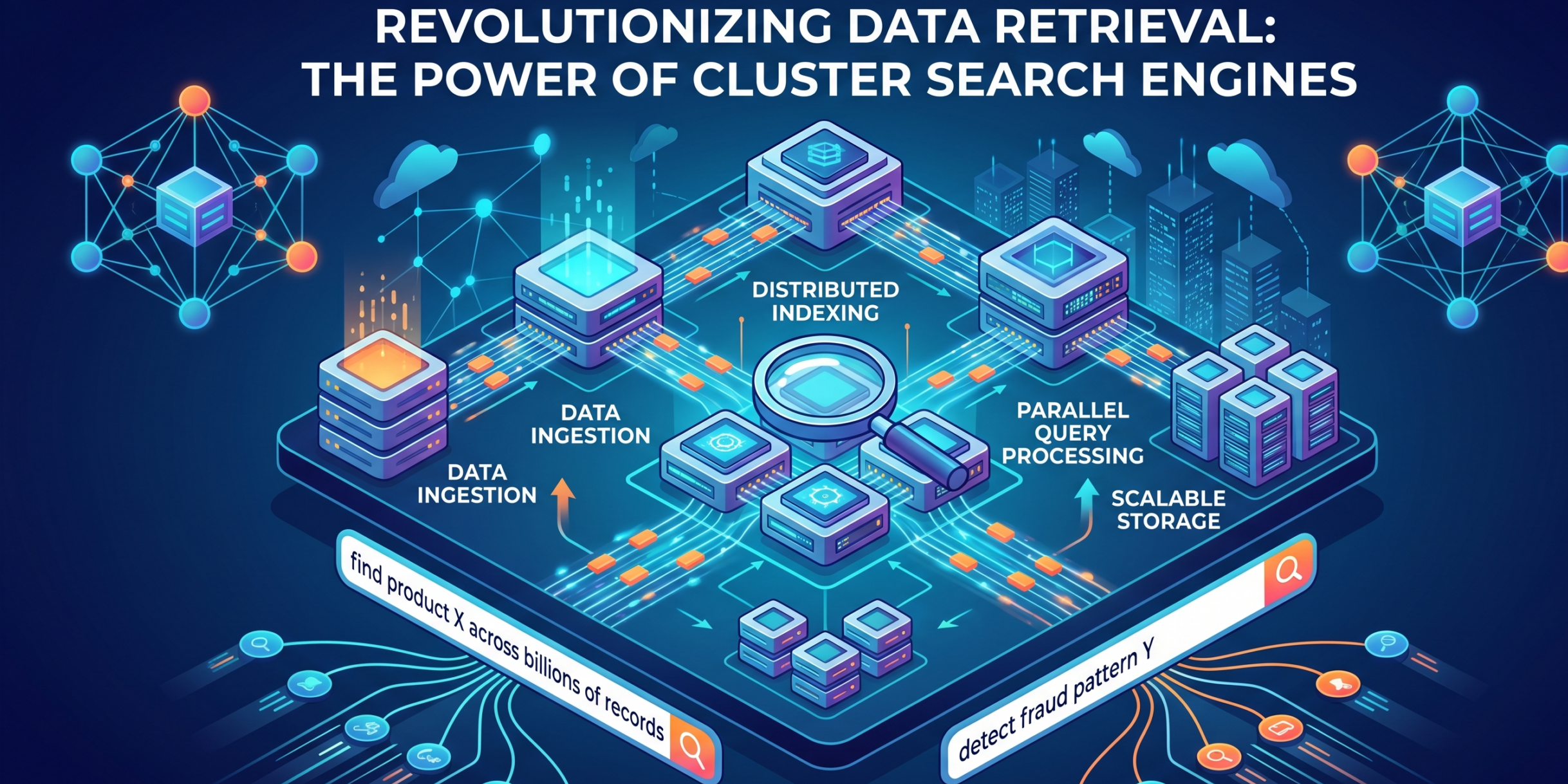
At their core, cluster search systems divide data into smaller chunks and distribute them across several machines or nodes. Each node processes queries independently and then combines the results to deliver a final output. This parallel processing significantly reduces the time required to retrieve information.
Additionally, these systems use advanced indexing techniques to organize data efficiently. This means that even when dealing with billions of records, the system can quickly locate and return relevant results. The distributed nature also allows for easy scalability—new nodes can be added to the cluster as data grows.
Benefits Driving Adoption
One of the main reasons businesses are adopting this technology is its ability to handle large-scale data efficiently. With the rise of big data analytics, companies need tools that can process information in real time without compromising performance.
Another key advantage is fault tolerance. In traditional systems, a single point of failure can bring the entire system down. Cluster-based systems, on the other hand, are designed to continue functioning even when individual nodes fail. This ensures uninterrupted access to critical data.
Speed is another major factor. By processing queries across multiple nodes simultaneously, these systems deliver faster results compared to conventional search methods. This is particularly important for applications like e-commerce platforms, where even a slight delay can impact user experience and revenue.
Real-World Applications
Cluster search systems are widely used across various industries. In e-commerce, they help customers find products quickly and accurately. In healthcare, they enable faster retrieval of patient records and medical data, improving decision-making and patient outcomes.
Financial institutions use these systems to analyze large volumes of transactional data in real time, helping detect fraud and manage risks effectively. Similarly, media and entertainment platforms rely on them to deliver personalized content recommendations based on user preferences.
At Iroa technologies, businesses are leveraging advanced data solutions to streamline operations and enhance search capabilities. By integrating modern search architectures, organizations can unlock the full potential of their data and stay ahead in a competitive market.
The Role of Scalability and Flexibility
One of the standout features of modern search systems is their scalability. As businesses grow, their data requirements increase. Cluster-based systems make it easy to scale horizontally by adding more nodes, ensuring consistent performance even as data volumes expand.
Flexibility is another critical factor. These systems can handle structured, semi-structured, and unstructured data, making them suitable for a wide range of applications. Whether it’s text, images, or logs, cluster search systems can process and retrieve information efficiently.
Integration with Emerging Technologies
The future of data retrieval is closely tied to advancements in artificial intelligence and machine learning. Cluster Search Engines are increasingly being integrated with AI-driven algorithms to deliver more accurate and context-aware results.
For example, machine learning models can analyze user behavior and improve search relevance over time. Natural language processing (NLP) allows users to perform more intuitive searches, making the overall experience more user-friendly.
To learn more about distributed search technologies and their impact, you can explore this detailed resource by Elastic: https://www.elastic.co/what-is/elasticsearch
Why the Future Looks Promising
As data continues to grow exponentially, the demand for efficient search solutions will only increase. Cluster-based systems are well-positioned to meet these demands due to their scalability, speed, and reliability.
Organizations that adopt these technologies early will have a significant advantage in terms of data accessibility and decision-making. By enabling faster insights and improved user experiences, cluster search systems are becoming an essential component of modern data infrastructure.
Conclusion
The evolution of data retrieval systems is a reflection of the growing complexity of modern data environments. Traditional methods are no longer sufficient to handle the scale and speed required by today’s applications. Cluster Search Engines offer a powerful solution by combining distributed architecture, scalability, and advanced processing capabilities.
With companies like Iroa technologies driving innovation in this space, businesses can harness the full potential of their data and prepare for the future. As technology continues to evolve, cluster-based search systems will play a crucial role in shaping how we access and utilize information.
FAQs
- What are Cluster Search Engines?
They are distributed search systems that use multiple nodes to store and process data, enabling faster and more reliable search results. - Why are they better than traditional search systems?
They offer improved scalability, faster performance, and higher fault tolerance compared to centralized systems. - Where are cluster-based search systems commonly used?
They are widely used in industries like e-commerce, healthcare, finance, and media for handling large datasets efficiently. - Can small businesses use cluster search systems?
Yes, many modern solutions are scalable and can be tailored to meet the needs of small and medium-sized businesses. - How do they support future technologies?
They integrate with AI and machine learning to provide smarter, more accurate, and context-aware search results.