

Modern healthcare is undergoing a profound transformation. Instead of relying solely on symptoms and generalized treatment pathways, clinicians are increasingly turning to data-driven insights that reveal what is happening inside the body at a molecular level. Among the most powerful tools driving this change is metabolomics—the comprehensive study of small molecules produced during metabolism. When applied in medical settings, this approach enables earlier diagnosis, deeper disease understanding, and more personalized treatment strategies.
As analytical technologies continue to advance, laboratories can now measure thousands of metabolites from a single biological sample. This unprecedented level of detail allows clinicians and researchers to observe subtle biochemical changes that often precede visible symptoms. Companies such as IROA Technologies are helping push this innovation forward by supporting high-quality, reproducible analytical workflows that strengthen confidence in complex biological data.
What Is Metabolomics and Why It Matters in Medicine
Metabolomics focuses on measuring metabolites such as amino acids, lipids, sugars, organic acids, and nucleotides found in blood, urine, tissues, and other biological samples. These molecules reflect real-time physiological activity and provide a snapshot of how cells respond to genetics, environment, diet, disease, and therapy.
Unlike genomics, which indicates what could happen, or proteomics, which shows what might be happening, metabolomics reveals what is happening right now in the body. This makes it uniquely valuable for understanding disease mechanisms, identifying biomarkers, and monitoring treatment response.
In medical research and diagnostics, metabolomics enables scientists to detect biochemical imbalances long before structural damage or symptoms appear. This early insight can dramatically improve patient outcomes and reduce healthcare costs by enabling proactive intervention.
From Traditional Diagnostics to Precision Medicine
Traditional diagnostic methods often rely on imaging, clinical symptoms, and a limited set of laboratory tests. While these tools remain essential, they may not capture early-stage disease or subtle metabolic changes. As healthcare shifts toward precision medicine, clinicians need deeper molecular insights to tailor treatment strategies for individual patients.
Metabolomic analysis provides comprehensive biochemical profiles that reveal disease signatures and metabolic pathways involved in disease progression. These insights help clinicians:
-
Identify early biomarkers of disease
-
Stratify patients based on metabolic profiles
-
Predict treatment response and adverse effects
-
Monitor disease progression and therapeutic effectiveness
This evolution supports more targeted, efficient, and patient-centered care models.
How Clinical Metabolomics Enhances Disease Diagnosis
The application of clinical metabolomics in healthcare allows for more sensitive and specific detection of disease-related biochemical changes. Because metabolic alterations often occur early in disease development, clinicians can identify risk factors before irreversible damage occurs.
Early Detection and Risk Assessment
Metabolic changes frequently precede symptoms in conditions such as diabetes, cardiovascular disease, cancer, and neurodegenerative disorders. Detecting abnormal metabolite patterns enables earlier diagnosis and preventive intervention, improving long-term outcomes.
Improved Diagnostic Accuracy
Many diseases share similar symptoms, making accurate diagnosis challenging. Metabolomic profiles help differentiate between disease subtypes by revealing distinct biochemical signatures, reducing misdiagnosis and unnecessary treatments.
Biomarker Discovery
Metabolomics accelerates the discovery of reliable biomarkers that indicate disease presence, severity, or progression. These biomarkers can be translated into diagnostic tests that support routine clinical decision-making.
Personalized Care Through Metabolic Insights
Every patient is biologically unique. Genetics, lifestyle, environment, and microbiome composition all influence metabolic behavior. Metabolomics captures this individuality, allowing clinicians to tailor therapies more precisely.
Treatment Selection and Optimization
Metabolic profiles can predict how patients will respond to specific medications, helping clinicians choose therapies with the highest likelihood of success and the lowest risk of side effects.
Monitoring Treatment Response
By tracking metabolic changes over time, clinicians can evaluate whether a therapy is working or needs adjustment. This dynamic monitoring supports timely decision-making and avoids unnecessary delays.
Lifestyle and Nutritional Guidance
Metabolomics also provides insights into how diet, exercise, and environmental exposures influence health. Personalized recommendations can improve adherence and long-term wellness.
Technology Behind Metabolomic Analysis
Metabolomics relies heavily on advanced analytical platforms such as mass spectrometry and nuclear magnetic resonance (NMR). These technologies generate large datasets that require robust software tools, quality controls, and standardized workflows.
Key components include:
-
Sample preparation protocols to preserve metabolite integrity
-
High-resolution analytical instruments for sensitive detection
-
Data processing algorithms for peak identification and quantification
-
Reference standards and quality controls to ensure reproducibility
-
Bioinformatics platforms for interpretation and visualization
Maintaining consistency across laboratories and studies is essential for translating metabolomic insights into clinical practice.
The Role of IROA Technologies in Advancing Metabolomics
IROA Technologies is recognized for developing innovative solutions that enhance accuracy, reproducibility, and confidence in metabolomics and mass spectrometry workflows. By supporting standardized methodologies and quality-driven analytics, IROA Technologies helps laboratories generate reliable data that can be trusted for clinical research and decision-making.
Their focus on improving data integrity and reducing analytical variability aligns with the growing demand for scalable and clinically actionable metabolomic solutions. As metabolomics moves from research into routine healthcare applications, dependable analytical infrastructure becomes increasingly important.
Challenges and Considerations in Clinical Adoption
While the promise of metabolomics is substantial, several challenges must be addressed for widespread clinical implementation:
Data Complexity
Metabolomic datasets are large and complex, requiring advanced computational tools and trained specialists to interpret results accurately.
Standardization
Differences in sample handling, instrumentation, and data processing can introduce variability. Harmonized standards and validated workflows are essential for reliable clinical adoption.
Regulatory Pathways
Clinical diagnostics must meet regulatory requirements for accuracy, reproducibility, and clinical utility. Translating research findings into approved diagnostic tests requires rigorous validation.
Cost and Infrastructure
Advanced analytical platforms and skilled personnel represent significant investments. However, as technology matures, costs continue to decline, improving accessibility.
Despite these challenges, ongoing innovation is steadily accelerating adoption across healthcare systems.
Real-World Applications Across Disease Areas
Metabolomics is already demonstrating value across a wide range of clinical domains:
-
Oncology: Identifying tumor-specific metabolic signatures for early detection and treatment monitoring
-
Cardiovascular disease: Detecting lipid and energy metabolism abnormalities linked to heart disease risk
-
Neurology: Exploring metabolic pathways associated with Alzheimer’s, Parkinson’s, and neuroinflammation
-
Infectious diseases: Monitoring host metabolic responses to infection and treatment
-
Metabolic disorders: Improving diagnosis and management of diabetes and inherited metabolic diseases
These applications highlight the versatility and impact of metabolomics in modern medicine.
Integrating Metabolomics with Other Omics Technologies
The future of personalized healthcare lies in multi-omics integration. Combining metabolomics with genomics, proteomics, transcriptomics, and microbiomics provides a comprehensive view of biological systems.
This integrated approach enables:
-
Deeper understanding of disease mechanisms
-
Improved biomarker validation
-
More accurate patient stratification
-
Enhanced predictive modeling
Together, these insights support truly personalized diagnostics and therapies.
For further insight into how metabolomics supports precision medicine, the National Institutes of Health metabolomics program offers valuable educational resources and research initiatives.
The Future of Metabolomics in Healthcare
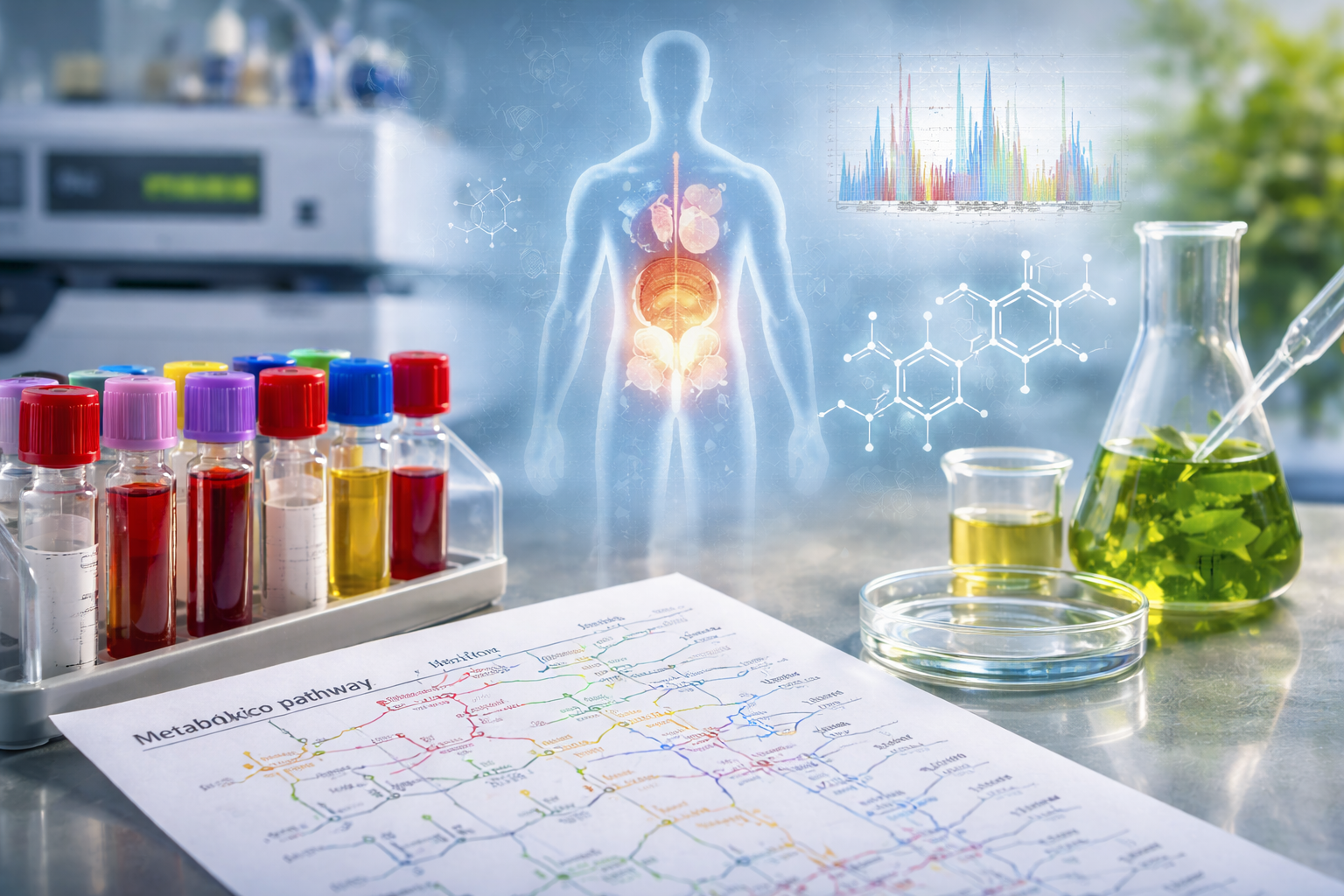 As automation, artificial intelligence, and cloud-based analytics continue to evolve, metabolomics will become faster, more scalable, and more clinically accessible. Real-time monitoring, digital biomarkers, and population-scale analytics will further expand its role in preventive medicine and population health management.
Collaboration between technology providers, healthcare institutions, regulatory bodies, and data scientists will accelerate translation from research to routine care. This ecosystem approach ensures that scientific innovation delivers tangible benefits to patients and healthcare systems worldwide.
Frequently Asked Questions (FAQs)
1. What is clinical metabolomics used for in healthcare?
It is used to analyze metabolic profiles to support disease diagnosis, biomarker discovery, and personalized treatment planning.
2. How does metabolomics improve early disease detection?
Metabolic changes often occur before symptoms appear, enabling earlier identification and preventive intervention.
3. Is metabolomics used in routine clinical practice today?
It is increasingly used in research and specialized diagnostics, with broader clinical adoption expanding as standards and automation improve.
4. What technologies are used in metabolomic analysis?
Mass spectrometry and NMR are the primary analytical platforms, supported by advanced software and quality controls.
5. How does IROA Technologies contribute to metabolomics innovation?
IROA Technologies provides solutions that enhance data reliability, reproducibility, and confidence in analytical workflows.
6. What are the main challenges of implementing metabolomics clinically?
Key challenges include data complexity, standardization, regulatory validation, and infrastructure investment.
Conclusion
Metabolomics is reshaping how diseases are detected, understood, and treated. By revealing real-time biochemical activity, it empowers clinicians to move beyond symptom-based care toward proactive, personalized healthcare strategies. With strong analytical foundations and innovative support from organizations like IROA Technologies, metabolomics continues to mature into a clinically impactful discipline.
As healthcare embraces data-driven medicine, the strategic integration of metabolomic insights will play a central role in improving diagnostic accuracy, optimizing therapies, and enhancing patient outcomes for years to come.