
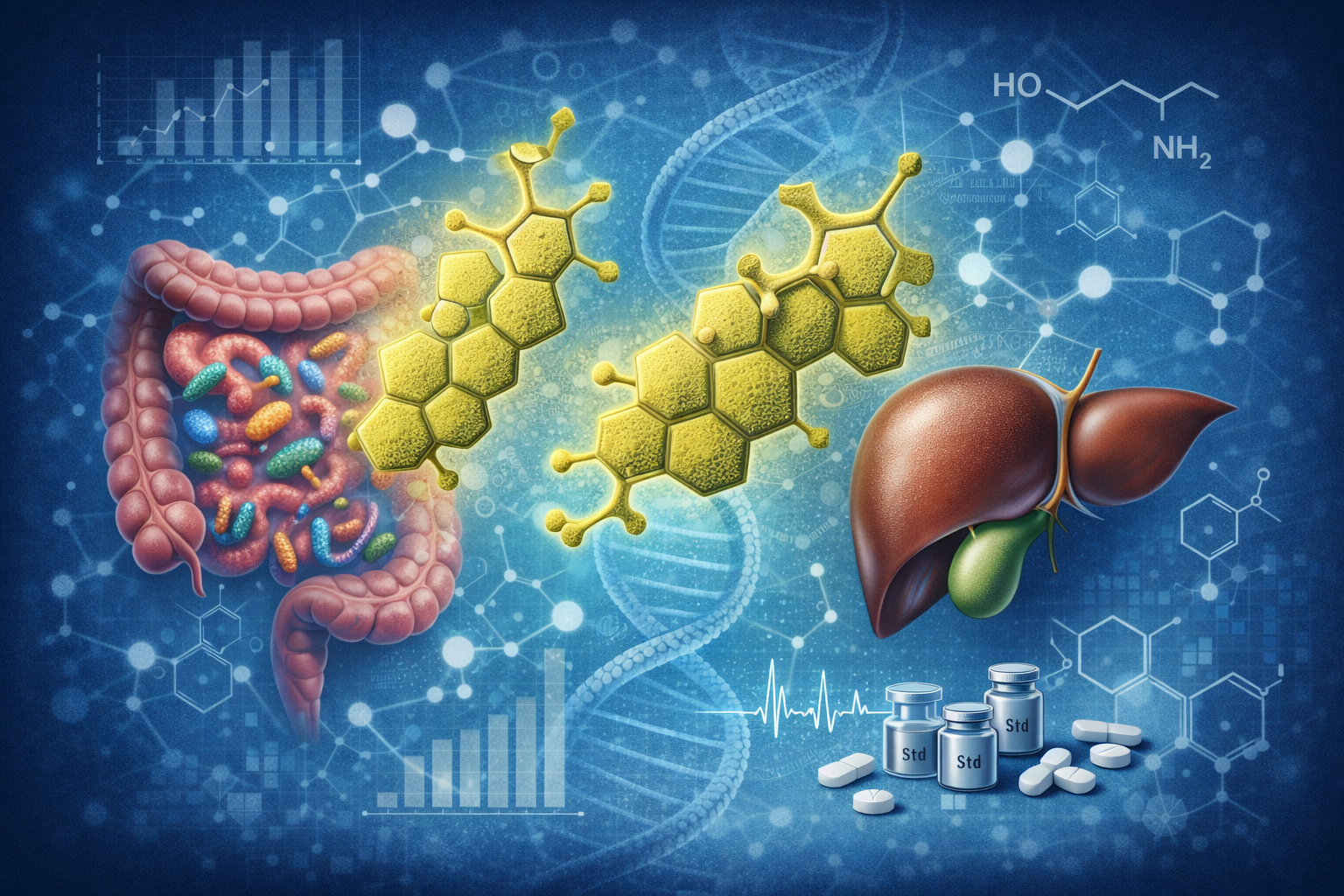
For decades, bile acids were viewed as simple digestive detergents—substances produced by the liver to help break down dietary fats. Today, that view has dramatically changed. Modern metabolomics and systems biology research reveal that bile acids are powerful metabolic regulators, influencing digestion, gut microbiota, energy balance, and even chronic disease risk.
At IROA Technologies, we work closely with researchers who are uncovering how metabolites act as signaling molecules rather than passive byproducts. Among these, the bile acids metabolite family stands out as a key driver of metabolic and digestive health.
Understanding how bile acids function as metabolites—and how their balance shifts in health and disease—offers valuable insights for nutrition science, drug development, and personalized medicine.
Let’s explore how bile acids metabolites shape the body from the gut outward.
What Are Bile Acids and Why Do They Matter?
Bile acids are synthesized in the liver from cholesterol and stored in the gallbladder. After a meal, they are released into the small intestine, where they emulsify fats and enable the absorption of fat-soluble vitamins like A, D, E, and K.
But digestion is only part of the story.
Once bile acids enter the intestine, they interact with gut microbes, enzymes, and host receptors. These interactions transform primary bile acids into secondary bile acids, creating a diverse pool of bile acids metabolites, each with distinct biological effects.
Rather than acting only in the gut, bile acids circulate throughout the body, functioning as signaling molecules that regulate metabolism at the cellular and systemic levels.
Bile Acids as Metabolic Signals, Not Just Digestive Agents
One of the biggest scientific breakthroughs of the last two decades is the discovery that bile acids activate specific receptors, such as FXR and TGR5. These receptors help regulate:
- Glucose metabolism
- Lipid homeostasis
- Energy expenditure
- Inflammation
- Gut barrier integrity
In simple terms, bile acids act like hormonal messengers. They tell cells how to respond to nutrients, when to store energy, and when to burn it.
This signaling role explains why disruptions in bile acid metabolism are linked to conditions such as obesity, type 2 diabetes, non-alcoholic fatty liver disease (NAFLD), and inflammatory bowel disorders.
The Gut Microbiome Connection
The relationship between bile acids and the gut microbiome is a two-way street.
Gut bacteria convert primary bile acids into secondary bile acids through enzymatic reactions such as deconjugation and dehydroxylation. These transformations directly affect:
- The size and composition of the bile acid pool
- The strength of metabolic signaling
- Microbial diversity and balance
At the same time, bile acids shape which microbes thrive in the gut. Certain bile acids inhibit harmful bacteria, while others promote beneficial species.
When this balance is disturbed—through diet, antibiotics, illness, or lifestyle factors—the bile acids metabolite profile shifts. These changes can cascade into metabolic dysfunction, inflammation, and digestive discomfort.
Impact on Digestive Health
Healthy bile acid metabolism is essential for smooth digestion.
When bile acids are well-regulated, they:
- Support efficient fat digestion
- Maintain intestinal motility
- Protect against bacterial overgrowth
- Preserve the gut lining
However, altered bile acid levels can cause or worsen digestive issues. Excess bile acids reaching the colon may lead to diarrhea, while insufficient bile acid secretion can result in bloating, fat malabsorption, and vitamin deficiencies.
Conditions such as irritable bowel syndrome (IBS), bile acid malabsorption, and gallbladder disorders are increasingly being linked to abnormal bile acids metabolite profiles.
Role in Metabolic Health and Energy Balance
Beyond digestion, bile acids play a crucial role in systemic metabolism.
By activating metabolic receptors, bile acids influence how the body:
- Responds to insulin
- Stores or releases glucose
- Burns fat
- Regulates cholesterol levels
For example, bile acid signaling can increase energy expenditure by activating brown adipose tissue and improving mitochondrial function. This has sparked interest in targeting bile acid pathways for obesity and metabolic syndrome therapies.
Research shows that individuals with metabolic disorders often have altered bile acid composition—not just higher or lower levels, but different metabolite patterns altogether.
This highlights the importance of studying bile acids at the metabolite level, rather than measuring total bile acids alone.
Bile Acids and Liver Health
The liver sits at the center of bile acid metabolism, making it particularly sensitive to disruptions.
When bile acid synthesis, transport, or recycling is impaired, toxic bile acids can accumulate in liver cells. Over time, this may contribute to:
- Liver inflammation
- Fibrosis
- Cholestatic liver disease
- Progression of fatty liver conditions
On the other hand, balanced bile acid signaling helps regulate liver regeneration, detoxification pathways, and lipid metabolism.
Understanding bile acids metabolite profiles allows researchers to detect subtle metabolic shifts before structural liver damage occurs.
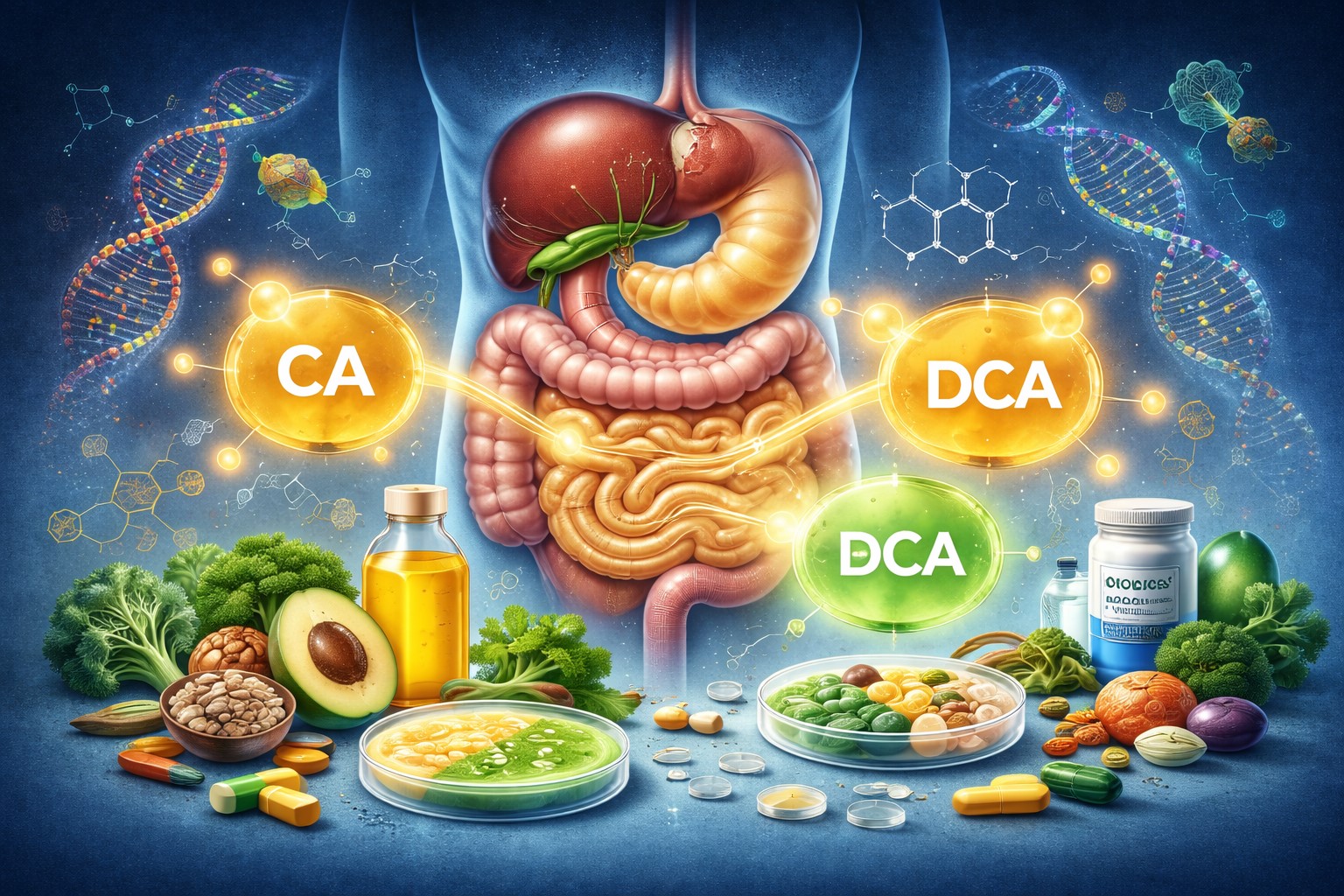
Why Metabolomics Is Essential for Bile Acid Research
Bile acids exist as a complex and dynamic metabolite network. Measuring only one or two bile acids provides an incomplete picture.
This is where metabolomics becomes indispensable.
Advanced metabolomics platforms allow scientists to:
- Quantify dozens of bile acids simultaneously
- Differentiate between primary and secondary bile acids
- Track isotopic labeling patterns
- Identify pathway disruptions
- Compare bile acid profiles across tissues and conditions
At IROA Technologies, metabolomics approaches help researchers achieve higher confidence in bile acid measurements by distinguishing true biological signals from analytical noise.
This level of precision is essential for linking bile acid metabolism to disease mechanisms and therapeutic outcomes.
Clinical and Nutritional Implications
Understanding how bile acids metabolites function opens the door to practical applications.
In clinical research, bile acid profiling is being explored for:
- Early detection of metabolic disease
- Monitoring liver function
- Evaluating drug efficacy
- Personalizing treatments
In nutrition science, diet-induced changes in bile acids help explain why different people respond uniquely to the same foods.
Dietary fiber, fat composition, probiotics, and fasting patterns all influence bile acid metabolism—making bile acids a key bridge between diet, microbes, and metabolic health.
The Future of Bile Acid-Based Therapies
Pharmaceutical and biotech companies are actively developing therapies that target bile acid pathways.
These include:
- FXR agonists for liver disease
- Bile acid sequestrants for cholesterol and glucose control
- Microbiome-modulating interventions
As research advances, the focus is shifting from single targets to system-wide metabolic modulation—an approach that depends heavily on accurate metabolite-level data.
Reliable bile acids metabolite analysis will be central to this next wave of metabolic medicine.
Final Thoughts
Bile acids are far more than digestive aids. As metabolites, they act as powerful regulators that connect the gut, liver, microbiome, and metabolic system into a unified network.
Disruptions in bile acid metabolism can ripple through the body, affecting digestion, energy balance, inflammation, and disease risk. Conversely, restoring balance offers promising avenues for prevention and therapy.
At IROA Technologies, we believe that deep, accurate metabolite analysis is the key to unlocking these insights. By studying bile acids as metabolites—not just chemical end products—researchers can better understand how metabolism truly works.
In the evolving landscape of metabolic health, bile acids are no longer supporting actors. They are central players shaping the future of digestive and metabolic science.
For further scientific context, you can explore bile acid signaling pathways through this resource on bile acid metabolism and signaling.
Frequently Asked Questions (FAQs)
1. What is a bile acids metabolite?
A bile acids metabolite refers to bile acids that have been chemically modified through liver synthesis or gut microbial activity, influencing digestion and metabolic signaling.
2. How do bile acids affect metabolic health?
Bile acids regulate glucose metabolism, lipid balance, and energy expenditure by activating specific cellular receptors involved in metabolic control.
3. What role does the gut microbiome play in bile acid metabolism?
Gut bacteria convert primary bile acids into secondary bile acids, shaping the overall bile acid pool and influencing both digestion and systemic metabolism.
4. Can bile acid imbalance cause digestive problems?
Yes. Abnormal bile acid levels can contribute to diarrhea, bloating, fat malabsorption, and intestinal inflammation.
5. Why is metabolomics important for bile acid research?
Metabolomics allows comprehensive measurement of multiple bile acids simultaneously, providing deeper insights into metabolic pathways and disease mechanisms.
6. How does IROA Technologies support bile acid research?
IROA Technologies provides metabolomics solutions that help researchers accurately quantify bile acids metabolites and improve confidence in metabolic data interpretation.