
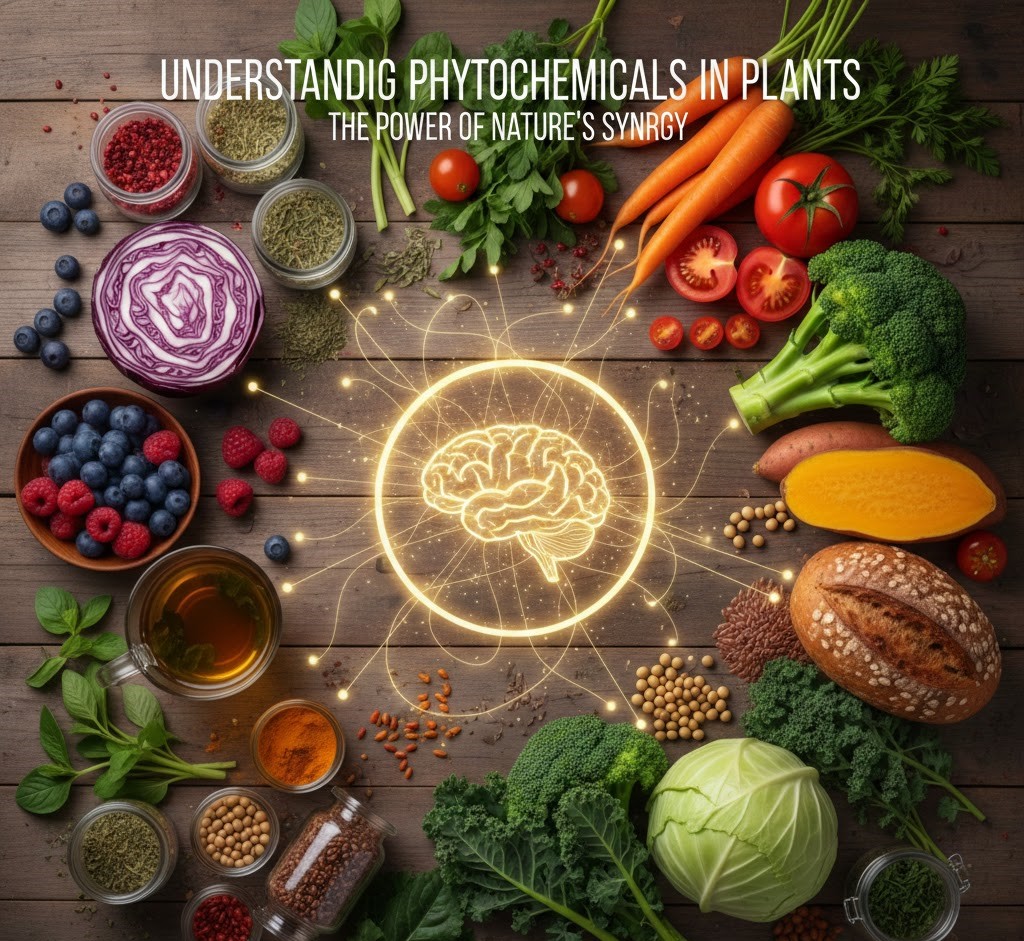
In recent years, the conversation around nutrition has shifted from simply counting calories and macronutrients to understanding the deeper, functional components of food. Beyond carbohydrates, proteins, fats, vitamins, and minerals, there exists a powerful group of natural compounds that quietly support human health every day — phytochemicals in plants.
These naturally occurring substances are responsible for the vibrant colors, distinct flavors, and protective mechanisms in fruits, vegetables, grains, legumes, nuts, and herbs. But their value goes far beyond aesthetics. At IROA Technologies, we believe that understanding the science behind plant compounds helps individuals and businesses make smarter, health-conscious decisions rooted in innovation and sustainability.
In this comprehensive guide, we’ll explore what phytochemicals are, how they work, their types, health benefits, and why they play a crucial role in human wellness.
What Are Phytochemicals?
The term “phytochemical” comes from the Greek word phyto, meaning plant. Phytochemicals are bioactive compounds produced by plants to protect themselves from environmental threats such as pests, UV radiation, and diseases.
Unlike essential nutrients, phytochemicals are not required for survival. However, research consistently shows that phytochemicals in plants contribute significantly to disease prevention, immune support, and overall well-being when included in the human diet.
There are thousands of known phytochemicals, and scientists continue to discover more. Each plant may contain dozens, even hundreds, of these compounds working together in synergy.
Why Do Plants Produce Phytochemicals?
Plants cannot move away from threats. To survive, they rely on chemical defenses. Phytochemicals help plants:
- Resist bacterial and fungal infections.
- Deter insects and herbivores.
- Protect against UV radiation.
- Adapt to environmental stress.
Interestingly, the same protective properties that help plants survive also benefit human health when consumed.
Major Types of Phytochemicals in Plants
Phytochemicals are categorized based on their chemical structure and function. Below are some of the most important groups.
1. Flavonoids
Flavonoids are among the most researched phytochemicals in plants. They are powerful antioxidants found in berries, citrus fruits, onions, tea, and dark chocolate.
Benefits include:
- Reducing inflammation.
- Supporting heart health.
- Enhancing brain function.
- Protecting against oxidative stress.
2. Carotenoids
These pigments give fruits and vegetables their bright red, orange, and yellow colors. Examples include beta-carotene, lycopene, and lutein.
Common sources:
- Carrots.
- Tomatoes.
- Sweet potatoes.
- Spinach.
Carotenoids support eye health, immune function, and skin protection.
3. Polyphenols
Polyphenols are widely found in plant-based foods such as green tea, coffee, grapes, and whole grains. They are known for their strong antioxidant properties.
Research suggests polyphenols may help reduce the risk of:
- Cardiovascular disease.
- Type 2 diabetes.
- Certain cancers.
4. Glucosinolates
Found mainly in cruciferous vegetables like broccoli, cabbage, and kale, glucosinolates are known for their potential anti-cancer properties.
5. Phytoestrogens
These compounds mimic estrogen in the body and are found in soy products, flaxseeds, and legumes. They may help regulate hormonal balance and support bone health.
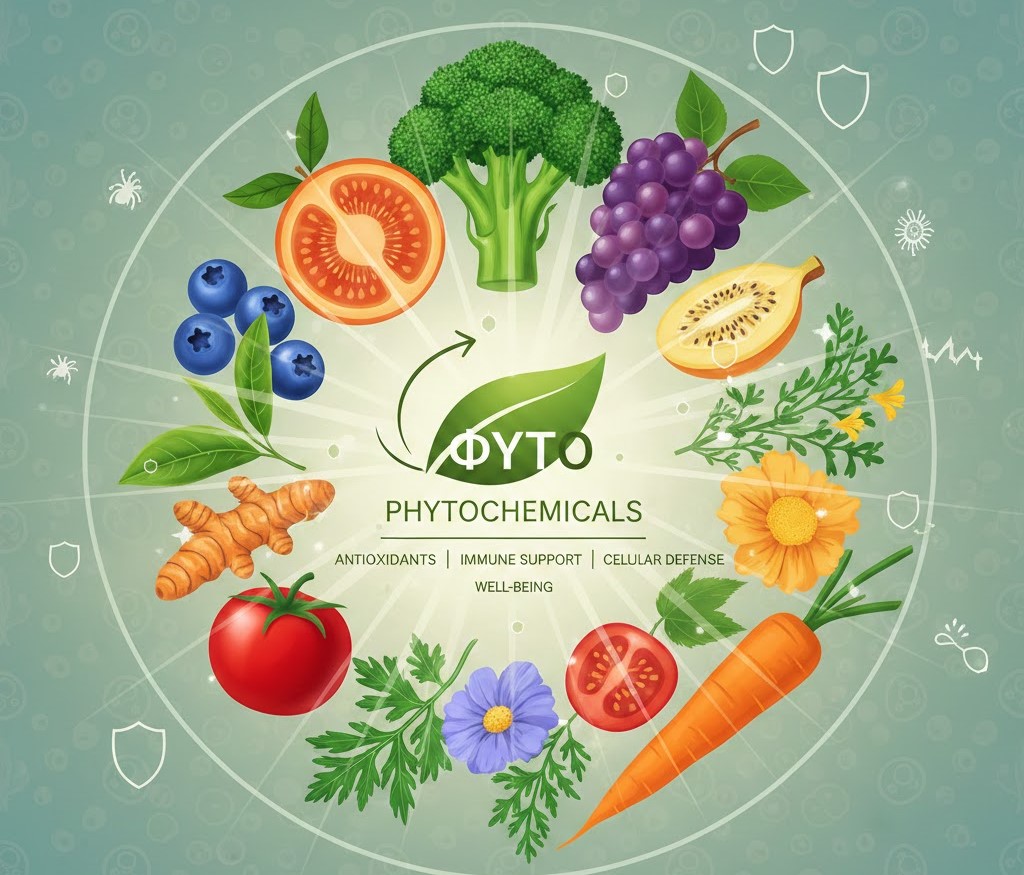
How Phytochemicals in Plants Support Human Wellness
The real value of phytochemicals in plants lies in how they interact with the human body. They influence multiple biological pathways, often working together to enhance health.
1. Powerful Antioxidant Protection
Every day, our bodies are exposed to free radicals—unstable molecules produced by pollution, stress, smoking, poor diet, and even normal metabolism. These molecules can damage cells, accelerate aging, and increase disease risk.
Many phytochemicals act as antioxidants, neutralizing free radicals and reducing oxidative stress.
2. Anti-Inflammatory Effects
Chronic inflammation is linked to conditions such as heart disease, diabetes, arthritis, and neurodegenerative disorders. Certain plant compounds help regulate inflammatory responses in the body, reducing long-term health risks.
3. Immune System Support
Phytochemicals enhance immune function by supporting cellular communication and protecting immune cells from damage.
4. Heart Health
Studies show diets rich in fruits and vegetables are associated with lower blood pressure, improved cholesterol levels, and reduced risk of heart disease. The presence of phytochemicals in plants plays a major role in these benefits.
5. Cancer Prevention Potential
Although no single food prevents cancer, a diet rich in diverse plant compounds may reduce cancer risk. Some phytochemicals support detoxification enzymes, inhibit tumor growth, and promote healthy cell cycles.
For more science-backed information on plant-based nutrition, you can explore resources from the Harvard T.H. Chan School of Public Health.
The Synergy Effect: Why Whole Foods Matter
One important concept when discussing phytochemicals in plants is synergy. These compounds rarely work alone. Instead, they interact with vitamins, minerals, fiber, and other phytochemicals to create a combined health effect greater than any single isolated compound.
This is why consuming whole fruits and vegetables is more beneficial than relying solely on supplements. Nature designs these compounds to function as a team.
At IROA Technologies, we emphasize innovation grounded in natural synergy—whether in food technology, health applications, or sustainable development. Understanding how plant compounds interact allows for smarter, science-driven product development.
Phytochemicals and Modern Lifestyle Challenges
Today’s fast-paced lifestyle often includes processed foods, environmental pollution, stress, and sedentary habits. These factors increase oxidative stress and inflammation.
Integrating phytochemical-rich foods into daily diets can help counterbalance these effects.
Practical Ways to Increase Intake
- Eat a rainbow of fruits and vegetables every day.
- Include leafy greens in smoothies.
- Choose whole grains over refined grains.
- Add herbs and spices such as turmeric and oregano.
- Replace sugary snacks with nuts and berries.
The more diverse your plant intake, the broader the spectrum of phytochemicals in plants you consume.
Phytochemicals in Functional Foods and Innovation
The growing interest in plant-based health solutions has fueled innovation across the food, nutraceutical, and pharmaceutical industries.
Functional foods enriched with plant compounds are becoming increasingly popular. From fortified beverages to plant-based protein products, understanding phytochemical content enhances product value and consumer trust.
IROA Technologies recognizes that the future of health innovation lies in bridging traditional botanical knowledge with modern scientific research. By exploring plant chemistry at a deeper level, businesses can develop sustainable, effective solutions that meet evolving consumer demands.
Future Research and Emerging Discoveries
Scientists continue to explore how phytochemicals influence gene expression, gut microbiota, and cellular signaling pathways.
Emerging research suggests that plant compounds may:
- Support cognitive longevity.
- Improve gut microbiome diversity.
- Enhance metabolic health.
- Promote healthy aging.
As technology advances, our understanding of phytochemicals in plants will deepen, unlocking new possibilities in preventive healthcare and personalized nutrition.
Conclusion
Phytochemicals are nature’s hidden health allies. Though not classified as essential nutrients, their contribution to human wellness is undeniable. From antioxidant protection to inflammation control, immune support to heart health, phytochemicals in plants offer a powerful layer of defense in today’s demanding world.
The key lies in diversity and balance. By consuming a wide range of colorful, plant-based foods, we harness the synergy of thousands of natural compounds working together.
At IROA Technologies, we believe that innovation rooted in natural science is the pathway to sustainable wellness. As research continues to evolve, one thing remains clear: the future of health begins with plants.
Frequently Asked Questions (FAQs)
1. What are phytochemicals in plants?
Phytochemicals are natural bioactive compounds produced by plants to protect themselves from environmental threats. When consumed, they offer health benefits such as antioxidant protection and inflammation reduction.
2. Are phytochemicals essential nutrients?
No, phytochemicals are not classified as essential nutrients like vitamins or minerals. However, they play a significant role in supporting long-term health and disease prevention.
3. What foods are highest in phytochemicals?
Colorful fruits and vegetables, whole grains, legumes, nuts, seeds, herbs, and teas are rich sources. Berries, leafy greens, tomatoes, carrots, and broccoli are particularly high in beneficial plant compounds.
4. Can phytochemicals prevent disease?
While no single compound guarantees disease prevention, diets rich in phytochemicals in plants are associated with reduced risks of heart disease, certain cancers, and metabolic disorders.
5. Is it better to get phytochemicals from food or supplements?
It is generally better to obtain phytochemicals from whole foods. Natural food sources provide balanced combinations that work synergistically, whereas isolated supplements may not offer the same benefits.
6. How can I increase phytochemical intake daily?
Eat a variety of colorful fruits and vegetables, incorporate whole grains, use herbs and spices generously, and prioritize plant-based meals.