
Drug discovery has always been a complex, high-stakes process. From identifying a promising biological target to developing a safe and effective therapy, the journey can take years sometimes decades with no guarantee of success. In recent years, however, one area of science has been quietly transforming how researchers understand disease mechanisms and identify new therapeutic opportunities: bile acids research.
Once thought of simply as digestive agents, bile acids are now recognized as powerful signaling molecules that influence metabolism, immunity, inflammation, and cellular communication. This expanded understanding has positioned bile acids at the intersection of biology and pharmacology, making them highly relevant to modern drug discovery strategies.
At IROA Technologies, we support researchers working at the cutting edge of metabolomics and systems biology. In this blog, we explore how bile acids research is reshaping drug discovery pipelines, accelerating innovation, and opening doors to more targeted and effective therapies.
Rethinking Bile Acids: From Digestion to Drug Targets
Bile acids are synthesized in the liver from cholesterol and released into the intestine to aid fat digestion. For decades, this function dominated scientific understanding. Today, that view has changed dramatically.
Researchers have discovered that bile acids act as signaling molecules by binding to specific receptors throughout the body. These receptors regulate a wide range of physiological processes, including glucose metabolism, lipid homeostasis, energy expenditure, and immune responses. When these pathways become dysregulated, the result is often chronic disease.
This shift in perspective from bile acids as passive detergents to active biological messengers has created new opportunities for therapeutic intervention. Drug developers can now target bile acid pathways to influence disease progression at a molecular level.
Why Bile Acids Matter in Modern Drug Discovery
Drug discovery increasingly focuses on understanding complex biological systems rather than isolated targets. Bile acids fit perfectly into this systems-level approach because they:
- Act across multiple organs, including the liver, gut, pancreas, muscle, and brain
- Influence both metabolic and inflammatory pathways
- Interact closely with the gut microbiome
- Reflect real-time changes in physiological state
Because of this, bile acids serve as both biomarkers and mechanistic drivers of disease, making them invaluable in identifying and validating drug targets.
Unlocking New Therapeutic Pathways
1. Metabolic Disorders
Metabolic diseases such as obesity, type 2 diabetes, and non-alcoholic fatty liver disease (NAFLD) are driven by complex biochemical imbalances. Bile acid signaling pathways play a central role in regulating insulin sensitivity, cholesterol metabolism, and energy balance.
By modulating bile acid receptors, drug developers can:
- Reduce excess glucose production in the liver
- Improve insulin responsiveness
- Lower harmful lipid levels
- Influence energy expenditure
Several bile acid-based therapies are already in development or clinical use, highlighting the translational impact of bile acids research in this area.
2. Liver and Gastrointestinal Diseases
Because bile acids are produced in the liver and circulate through the gastrointestinal tract, they are deeply involved in liver and gut health. Dysregulated bile acid composition is associated with conditions such as cholestatic liver disease, inflammatory bowel disease, and cirrhosis.
Drug discovery efforts now target bile acid transporters and receptors to:
- Reduce bile-induced toxicity
- Improve bile flow
- Modulate gut inflammation
- Protect liver cells from damage
This approach enables therapies that address disease mechanisms rather than just symptoms.
3.Inflammation and Immune Modulation
Chronic inflammation underlies many diseases, including cardiovascular disorders and autoimmune conditions. Bile acids interact with immune cells and inflammatory signaling pathways, either dampening or promoting immune responses depending on their composition and concentration.
Understanding these interactions allows researchers to explore bile acid pathways as novel anti-inflammatory targets an area of growing interest in drug discovery.
The Gut Microbiome Advantage
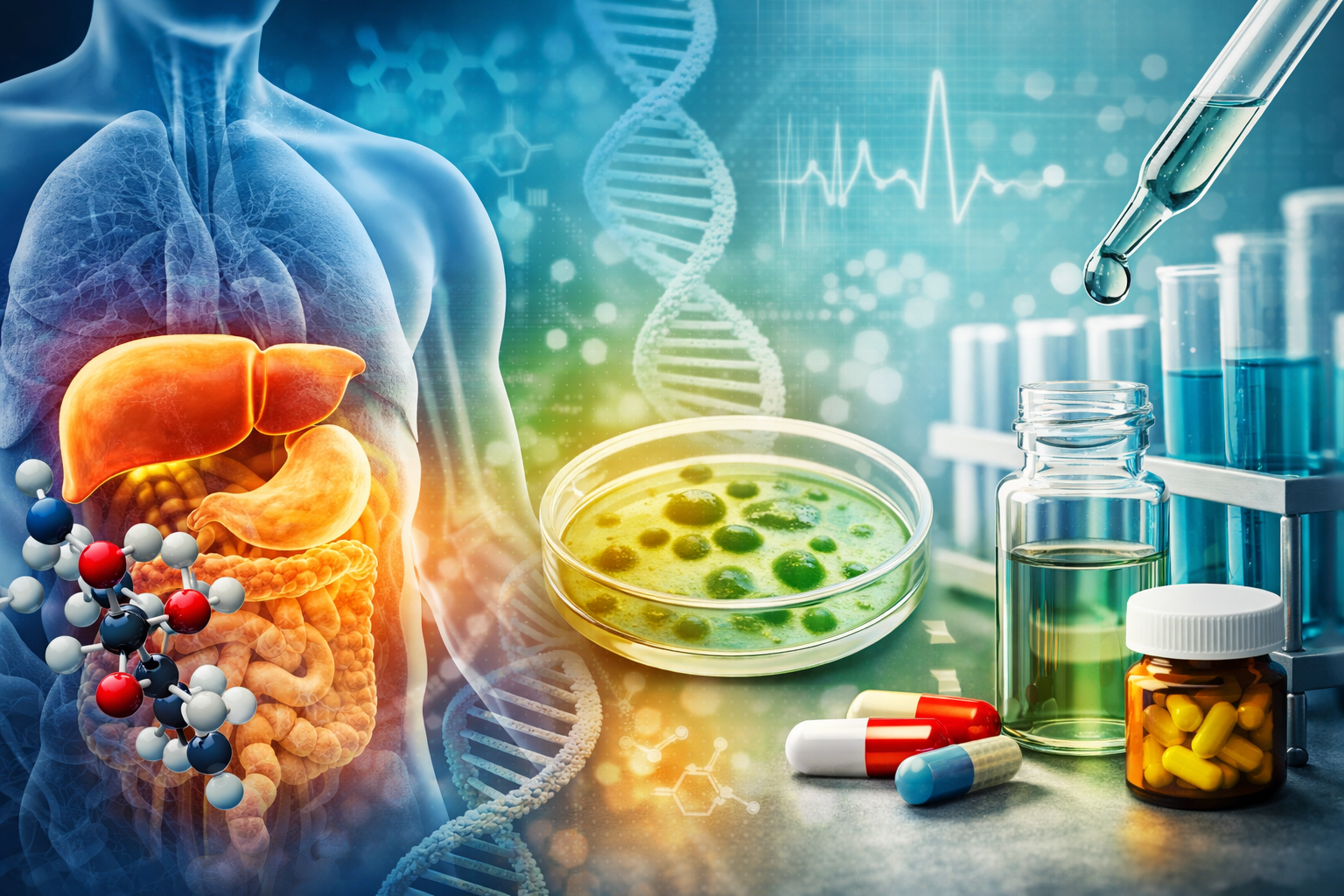
One of the most exciting developments in biomedical science is the recognition of the gut microbiome as a key regulator of health. Bile acids are central players in this relationship.
Gut microbes chemically modify bile acids, producing secondary bile acids with distinct biological effects. These modified molecules can alter receptor activation, immune responses, and metabolic outcomes.
From a drug discovery perspective, this means:
- Microbiome-driven bile acid changes can reveal new disease mechanisms
- Therapies may be designed to influence microbial metabolism rather than human enzymes alone
- Drug response variability can be better understood through bile acid profiling
By integrating microbiome science with bile acid analysis, researchers gain a more complete picture of disease biology.
The Role of Advanced Analytics in Drug Development
The bile acid pool is highly complex, consisting of dozens of closely related molecular species. Accurately measuring and interpreting these molecules requires advanced analytical techniques such as high-resolution mass spectrometry and robust metabolomics workflows.
High-quality bile acid data supports drug discovery by enabling:
- Early identification of disease-associated metabolic shifts
- Validation of drug targets and mechanisms of action
- Monitoring of treatment response and toxicity
- Improved reproducibility across studies and laboratories
Standardized reference materials, internal standards, and rigorous quality controls are essential for turning raw data into reliable insights a principle central to the solutions developed by IROA Technologies.
Reducing Risk and Improving Success Rates
One of the biggest challenges in drug discovery is late-stage failure. Many drug candidates fail during clinical trials because their biological effects were not fully understood earlier in development.
By incorporating bile acids research early in the pipeline, researchers can:
- Identify off-target effects sooner
- Understand system-wide metabolic impacts
- Select better patient populations for trials
- Reduce costly late-stage failures
This systems-level insight helps de-risk development and improve the likelihood of clinical success.
Future Directions: Precision and Personalization
As drug discovery moves toward personalized medicine, bile acids offer a promising path forward. Individual bile acid profiles reflect genetics, diet, microbiome composition, and disease state all factors that influence drug response.
In the future, bile acid profiling may help:
- Match patients to the most effective therapies
- Optimize dosing strategies
- Predict adverse reactions
- Monitor long-term treatment outcomes
This precision approach aligns with the broader goals of modern pharmaceutical research.
Supporting Innovation with the Right Tools
Scientific innovation depends not only on ideas, but also on reliable data. IROA Technologies supports drug discovery by providing advanced metabolomics solutions that enhance data quality, reproducibility, and confidence.
By empowering researchers with accurate biochemical insights, we help bridge the gap between discovery science and real-world therapeutics.
For a deeper scientific overview of bile acids as signaling molecules and drug targets, this review on bile acid signaling pathways in disease offers valuable context.
Conclusion
Drug discovery is evolving from a target-centric model to a systems-based approach and bile acids sit at the heart of this transformation. Their ability to integrate metabolism, inflammation, and microbiome biology makes them uniquely powerful drivers of therapeutic innovation.
As analytical technologies advance and biological understanding deepens, bile acids research will continue to shape the future of drug development, leading to safer, more effective, and more personalized therapies.
Frequently Asked Questions (FAQs)
- What makes bile acids important in drug discovery?
Bile acids regulate multiple biological pathways related to metabolism, inflammation, and immune function, making them valuable drug targets and biomarkers. - How does bile acids research reduce drug development risk?
It provides early insights into system-wide effects, helping researchers identify potential issues before costly clinical trials. - Which diseases benefit most from bile acid-based therapies?
Metabolic disorders, liver diseases, gastrointestinal conditions, and inflammatory diseases are key areas of focus. - Why is bile acid analysis technically challenging?
There are many bile acid variants with similar structures, requiring advanced analytical methods for accurate measurement. - How does the gut microbiome influence bile acid-focused drugs?
Microbes modify bile acids, altering their biological activity and affecting how drugs work in different individuals. - How does IROA Technologies support bile acids research?
IROA Technologies provides metabolomics tools and solutions that improve analytical accuracy, reproducibility, and data confidence for researchers driving drug discovery.