In the evolving world of biomedical science, few areas have gained as much attention in recent years as bile acid research. Once thought to play a simple role in digestion, bile acids are now recognized as powerful signaling molecules that influence metabolism, immunity, and even disease progression. This shift in understanding has opened new doors for scientists, clinicians, and pharmaceutical developers alike.
As research tools become more advanced and data-driven approaches gain momentum, the study of bile acids is redefining how we understand human health at a molecular level.
Understanding Bile Acids Beyond Digestion
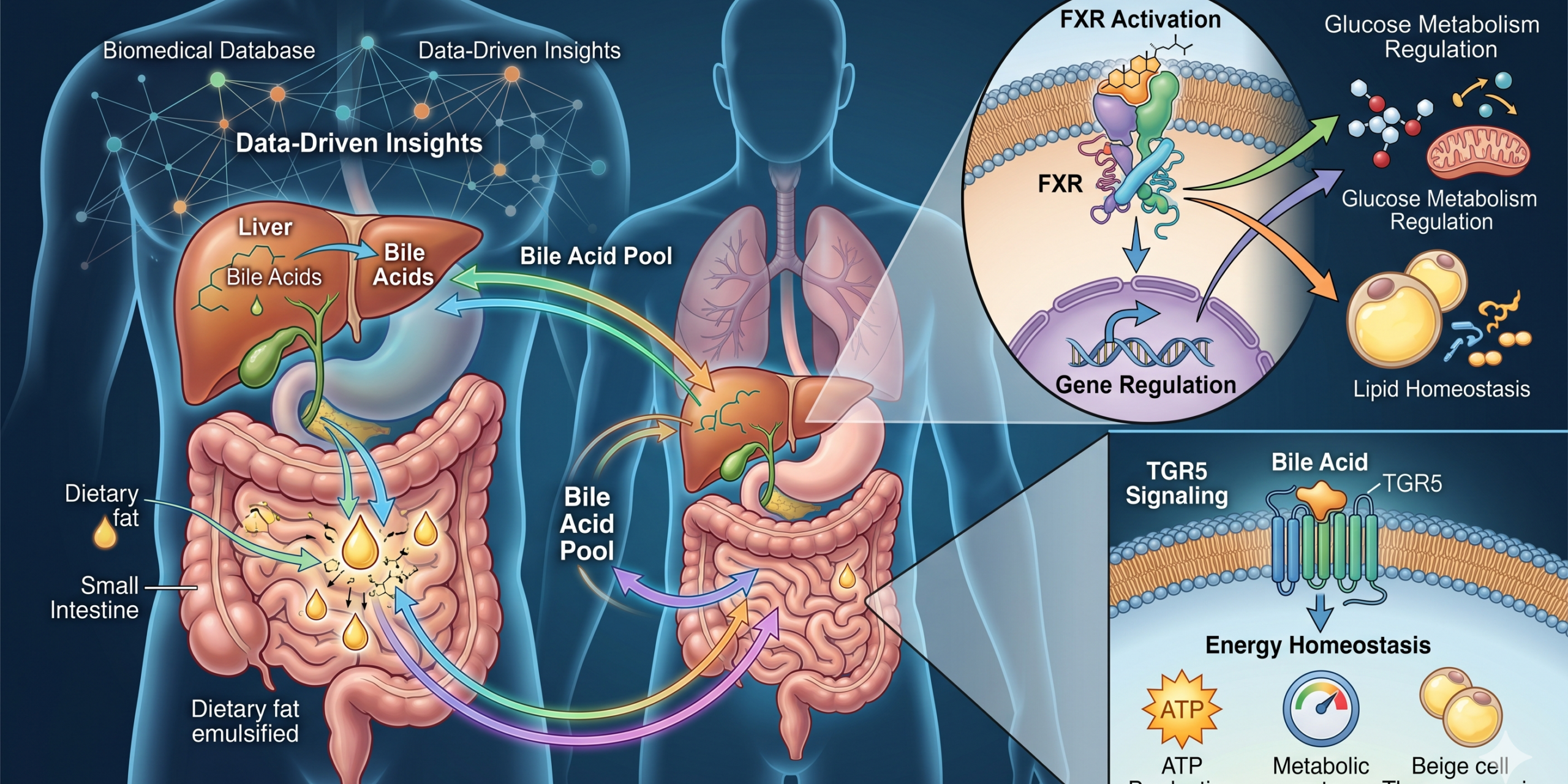
Traditionally, bile acids were associated with the breakdown and absorption of dietary fats in the intestine. Produced in the liver and stored in the gallbladder, they help emulsify fats, making them easier to digest. However, modern discoveries reveal that their function extends far beyond this basic role.
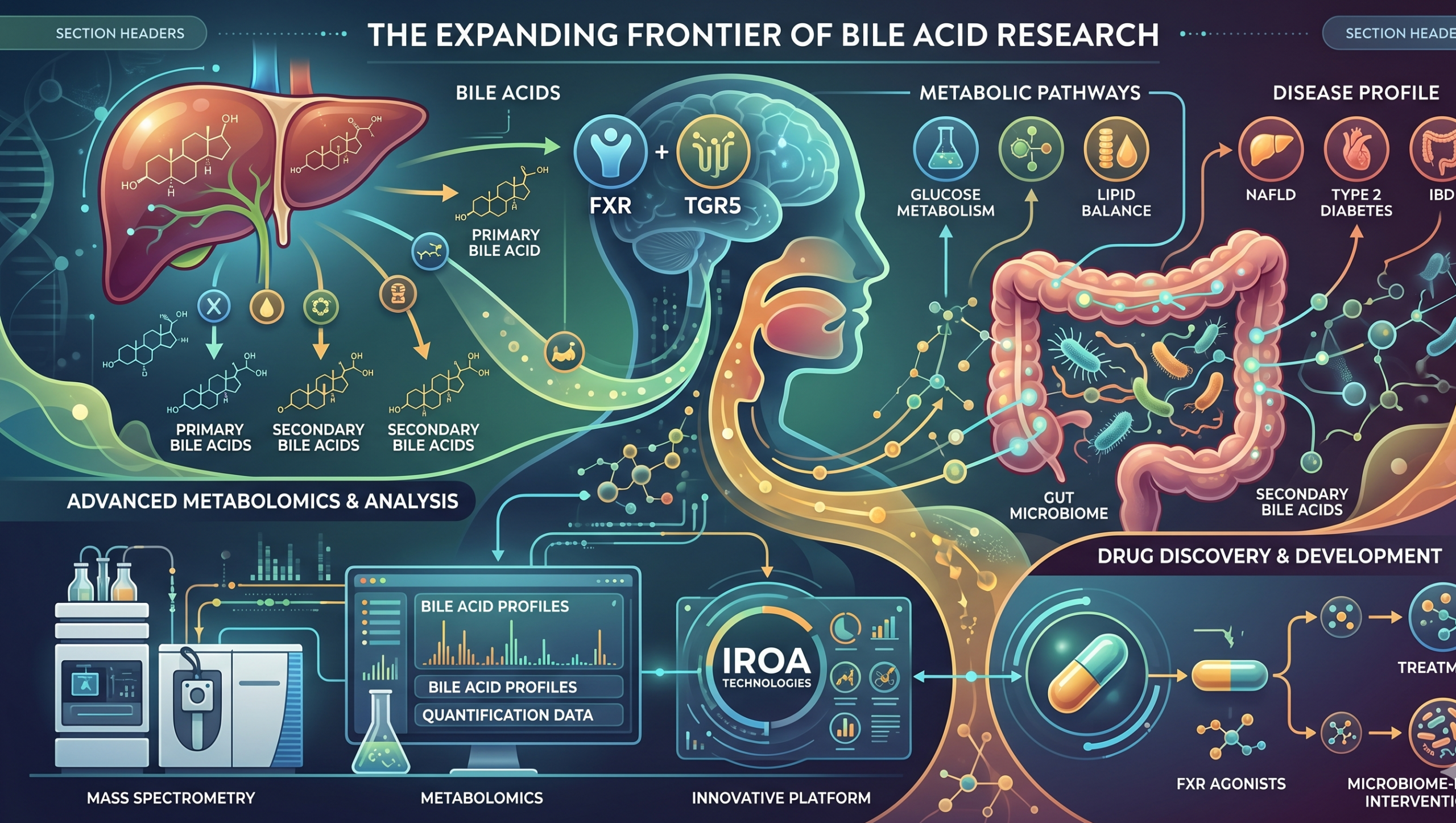
Bile acids act as signaling molecules that interact with receptors such as FXR (Farnesoid X Receptor) and TGR5. These interactions regulate key physiological processes, including glucose metabolism, lipid balance, and energy homeostasis. As a result, they are now considered critical regulators in maintaining metabolic health.
This expanded understanding has made bile acids a focal point in biomedical investigations, especially in studies related to metabolic disorders, liver diseases, and gut health.
The Link Between Bile Acids and Disease
One of the most exciting developments in bile acid research is its role in identifying and understanding diseases. Abnormal bile acid profiles have been linked to a range of conditions, including:
- Non-alcoholic fatty liver disease (NAFLD)
- Type 2 diabetes
- Obesity
- Gastrointestinal disorders
- Certain cancers
Changes in bile acid composition can disrupt metabolic signaling pathways, leading to inflammation and disease progression. Researchers are now using bile acid profiling as a biomarker to detect early-stage diseases and monitor treatment outcomes.
For example, in liver diseases, altered bile acid levels can indicate impaired liver function. Similarly, in metabolic disorders, bile acid signaling pathways may be disrupted, offering insights into disease mechanisms and potential therapeutic targets.
Bile Acids and the Gut Microbiome
Another major breakthrough is the relationship between bile acids and the gut microbiome. The human gut hosts trillions of microorganisms that play a crucial role in digestion and immunity. These microbes interact with bile acids, converting primary bile acids into secondary bile acids.
This interaction creates a dynamic feedback system where bile acids influence microbial composition, and microbes, in turn, modify bile acid activity. This delicate balance has significant implications for health.
Disruptions in this system have been associated with conditions like inflammatory bowel disease (IBD) and metabolic syndrome. Understanding these interactions is helping researchers develop microbiome-based therapies and personalized treatment strategies.
For more detailed scientific insights into bile acid metabolism, you can explore resources from the National Center for Biotechnology Information.
Advancements in Analytical Technologies
The transformation of bile acid research would not be possible without advancements in analytical technologies. Techniques such as mass spectrometry and metabolomics have enabled scientists to study bile acids with unprecedented precision.
High-resolution tools allow researchers to:
- Identify complex bile acid profiles
- Quantify metabolites accurately
- Analyze metabolic pathways in detail
Companies like IROA Technologies are playing a significant role in this space by providing innovative metabolomics platforms. These solutions help researchers gain deeper insights into metabolic processes, making it easier to understand the role of bile acids in health and disease.
By leveraging such technologies, scientists can move beyond traditional research methods and explore comprehensive metabolic networks.
Implications for Drug Development
The growing importance of bile acids has also influenced drug discovery and development. Since bile acids interact with key receptors involved in metabolism, they present promising targets for new therapies.
Pharmaceutical research is now focusing on:
- Developing FXR agonists for liver diseases
- Targeting bile acid pathways to treat metabolic disorders
- Designing microbiome-based interventions
These innovations are paving the way for more targeted and effective treatments. Instead of addressing symptoms, therapies can now focus on underlying metabolic pathways, improving patient outcomes.
Personalized Medicine and Future Potential
One of the most promising aspects of bile acid research lies in its potential for personalized medicine. Every individual has a unique bile acid profile influenced by genetics, diet, and microbiome composition.
By analyzing these profiles, healthcare providers can:
- Predict disease risk
- Customize treatment plans
- Monitor therapeutic responses
This approach aligns with the broader trend toward precision medicine, where treatments are tailored to individual biological characteristics.
As research continues to evolve, bile acids may become central to diagnostic tools and therapeutic strategies across multiple medical disciplines.
Challenges and Opportunities
Despite its rapid progress, bile acid research still faces challenges. The complexity of bile acid metabolism, combined with variability among individuals, makes data interpretation difficult. Additionally, integrating bile acid data with other biological systems requires sophisticated computational tools.
However, these challenges also present opportunities. With continuous advancements in data analytics, artificial intelligence, and metabolomics, researchers are better equipped than ever to overcome these hurdles.
Collaborative efforts between academic institutions, healthcare providers, and technology companies will be essential in unlocking the full potential of this field.
Conclusion
The growing significance of bile acid research marks a turning point in modern biomedical science. What was once considered a simple digestive function is now understood as a complex and influential system impacting multiple aspects of human health.
From disease detection to drug development and personalized medicine, bile acids are reshaping the way we approach healthcare. With support from advanced technologies and innovative organizations like IROA Technologies, the future of this field looks promising.
As research continues to uncover new insights, bile acids are set to play a central role in transforming diagnostics, therapies, and our overall understanding of human biology.
FAQs
1. What is bile acid research?
Bile acid research focuses on studying bile acids as metabolic regulators and signaling molecules, exploring their role in digestion, metabolism, and disease development.
2. Why are bile acids important in biomedical science?
Bile acids influence key processes like metabolism, immune response, and gut health, making them essential for understanding various diseases and developing new treatments.
3. How are bile acids connected to the gut microbiome?
Gut microbes modify bile acids, creating a two-way interaction that affects digestion, immunity, and overall metabolic health.
4. What technologies are used in bile acid studies?
Advanced tools like mass spectrometry and metabolomics platforms are commonly used to analyze bile acid composition and function.
5. Can bile acid profiling help in personalized medicine?
Yes, individual bile acid profiles can provide insights into disease risk and treatment responses, supporting personalized healthcare strategies.