
Metabolomics Data Correction

Browse all articles filed under the "Metabolomics Data Correction" tag.

Why Metabolite Analyzers Are Essential for Scientific Research

Showing 1–6 of 6 articles

Why Metabolite Analyzers Are Essential for Scientific Research

Why Metabolite Analyzers Are Essential for Scientific Research

Scientific research has evolved significantly over the last decade, especially in areas such as metabolomics, biotechnology, pharmaceuticals, and clinical diagnostics.

Researchers today require advanced analytical tools that can provide accurate, reproducible, and high-throughput data. One of the most important technologies supporting this progress is Metabolite Analyzers.

These sophisticated analytical systems help scientists study metabolites, which are small molecules involved in biological processes. From disease detection to drug development, metabolite analysis has become a crucial part of modern research workflows.

As laboratories continue to generate complex biological data, the demand for reliable metabolite analysis tools continues to grow. Understanding Metabolites in Scientific Research Metabolites are chemical compounds produced during metabolic processes within cells, tissues, and organisms.

These compounds provide valuable insights into cellular activity, disease progression, environmental responses, and physiological conditions....

Why Every Research Lab Needs a High-Quality Metabolite Library

Why Every Research Lab Needs a High-Quality Metabolite Library

In today’s fast-evolving scientific landscape, precision and reliability are more important than ever. Whether researchers are working in pharmaceuticals, biotechnology, environmental science, or clinical diagnostics, the ability to accurately identify and quantify small molecules is critical.

This is where a well-structured Metabolite Library becomes an indispensable tool for modern laboratories. From improving data confidence to accelerating discoveries, investing in a high-quality resource is no longer optional—it’s essential.

Let’s explore why research labs around the world are prioritizing this powerful asset.   Understanding the Role of Metabolomics in Research Metabolomics is the study of small molecules—commonly known as metabolites—present within cells, tissues, or organisms.

These molecules provide real-time insights into biological processes, disease states, and environmental interactions. Unlike genomics or proteomics, metabolomics reflects what is actually happening in a biological system...

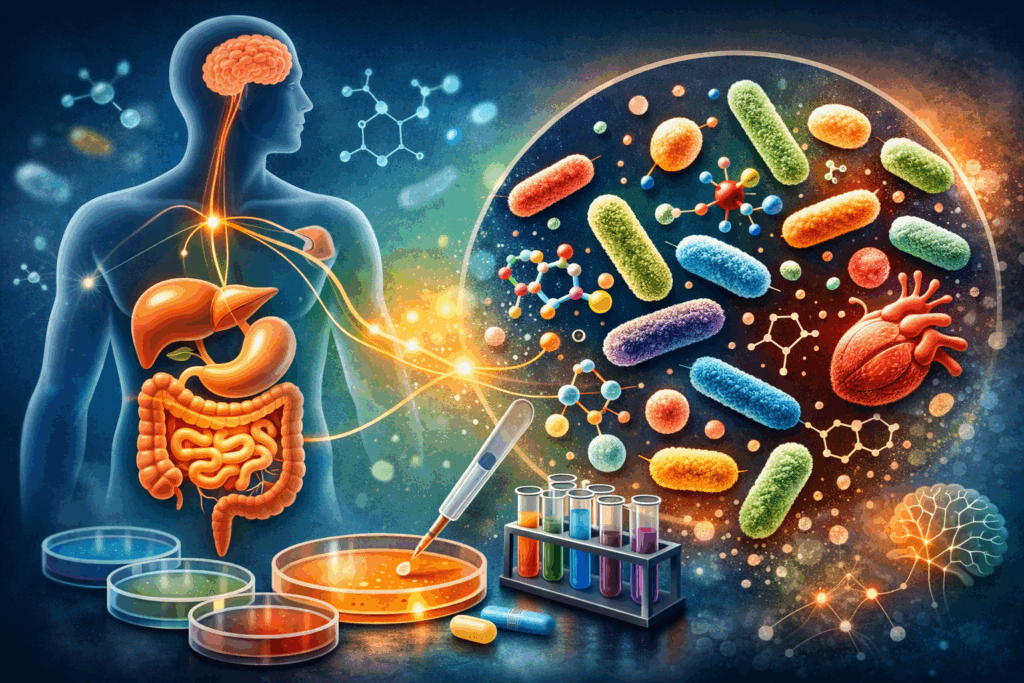
Learn what a microbiome metabolite is, how it affects digestion, immunity, and disease, and why accurate analysis helps health.

What Is a Microbiome Metabolite and Why Is It Important?

In recent years, the word microbiome has moved from scientific journals into everyday conversations about health, nutrition, and wellness. We now understand that trillions of microbes—bacteria, fungi, viruses, and other microorganisms—live in and on the human body, especially in the gut.

These tiny organisms don’t just exist quietly; they actively interact with our bodies by producing thousands of chemical compounds that influence how we feel, function, and even how we age.

Among these compounds, one term stands out in modern life sciences: microbiome metabolite. These molecules act as messengers between microbes and human cells, shaping everything from digestion and immunity to mood and disease risk.

But what exactly are they, and why do scientists and healthcare innovators care so much about them? In this article, we’ll explore what microbiome metabolites...

How IROA Technologies Is Transforming the Future of Metabolite Analyzers

In the rapidly growing field of metabolomics, accuracy, reproducibility, and data clarity have become essential for meaningful scientific discovery. Whether the goal is disease biomarker identification, precision medicine, environmental research, or bioprocess optimization, researchers rely heavily on advanced analytical instruments to capture the complex chemical fingerprints of biological systems.

At the heart of these workflows are Metabolite Analyzers, instruments designed to detect, quantify, and characterize the vast array of metabolites present in living organisms.

However, as metabolomics evolves, so do the expectations placed on these analyzers. Traditional workflows face well-known challenges: technical variability, data inconsistency, instrument drift, and the inherent complexity of biological samples.

These hurdles can distort results, reduce confidence, and make long-term or cross-lab comparisons difficult. Enter IROA Technologies, a pioneering company redefining how metabolomics data is collected,...

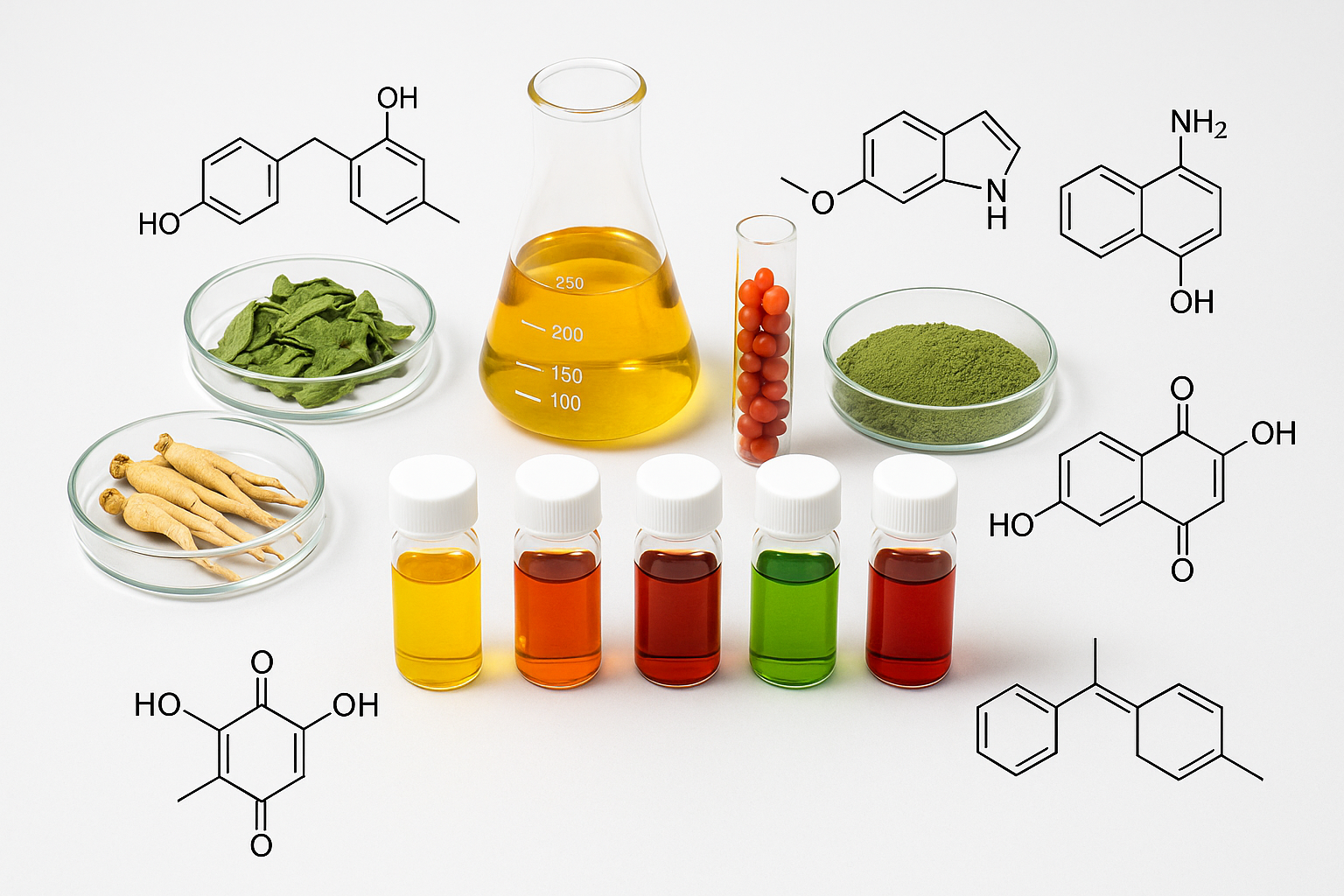
Phytochemical Standards in Laboratory Research

Why Phytochemical Standards Are Essential in Quality Control and Drug Discovery

In the rapidly evolving world of pharmaceuticals, nutraceuticals, and natural product research, the ability to accurately identify, measure, and reproduce findings is critical.

At the center of this precision lies phytochemical standards the reference compounds that help scientists ensure consistency, accuracy, and reliability in testing plant-based materials.

Whether developing new drugs, testing herbal supplements, or advancing research in metabolomics, phytochemical standards play a vital role in quality control and discovery.

In this article, we’ll explore why they matter, how they’re used, and the future of natural compound analysis. What Are Phytochemical Standards?

Phytochemicals are bioactive compounds naturally found in plants—such as flavonoids, alkaloids, terpenes, and phenolic acids—that often hold therapeutic properties. However, the sheer diversity and complexity of these compounds make them challenging to analyze.

This is where phytochemical standards...

Phytochemicals chart showing categories such as flavonoids, carotenoids, glucosinolates, saponins, phytoestrogens, and phenolic acids with food examples like berries, carrots, broccoli, soy, and coffee.

What Is a Phytochemical? A Beginner’s Guide to Plant Compounds

If you’ve ever wondered what is a phytochemical, you're not alone. Phytochemicals are natural, bioactive compounds found in plants—not essential like nutrients, but deeply impactful for human health.

Let's explore what phytochemicals are, why they matter, and how they benefit well-being in a straightforward, engaging way. What Is a Phytochemical?

The word “phytochemical” merges phyto (Greek for “plant”) with chemical. So, what is a phytochemical? Simply, it’s a natural compound plants produce that contributes to their color, flavor, or defense mechanisms.

In human health, phytochemicals function as “functional” compounds—meaning they can support health even though they aren’t essential like vitamins or minerals.

Why Phytochemicals Matter Phytochemicals offer numerous benefits: Antioxidants: They neutralize harmful free radicals. Anti-inflammatory agents: Help reduce chronic inflammation. Immune support: Boost the body's defense mechanisms.

Chronic disease...