blog

Browse all articles in the "blog" category.

Metabolite library

Showing 97–108 of 131 articles

Molecular structures and peptide vials on a lab background symbolizing a standard peptide library in biotechnology research.

What Is a Standard Peptide Library and Why It Matters in Science

Science thrives on precision, consistency, and the ability to repeat results. In biological and analytical research, even the smallest error can change how we understand complex systems like proteins, enzymes, or metabolites.

This is where tools like the standard peptide library become invaluable. A standard peptide library provides researchers with a dependable set of reference peptides that can be used for accurate identification, quantification, and validation in experiments involving proteomics and mass spectrometry.

In simple terms, it’s a scientific foundation that makes sure your data is not only correct — but also trusted.

What Exactly Is a Standard Peptide Library? A standard peptide library is a curated collection of synthetic peptides, each with a precisely known amino acid sequence and purity level.

These peptides act as verified reference standards, helping...

Chemical structures of isotope-labeled amino acids including Alanine, Glutamine, Leucine, Phenylalanine, Tyrosinamide, and Tyrosine used as internal standards in mass spectrometry.

How Amino Acid Internal Standards Improve Data Reliability in Mass Spectrometry

Mass spectrometry (MS) has become one of the most powerful tools in biological and chemical research, offering unmatched sensitivity and precision in detecting small molecules.

From clinical diagnostics to metabolomics, researchers rely on mass spectrometry to extract accurate data that drives critical decisions. But as with any analytical technique, precision depends heavily on standardization.

This is where amino acid internal standards come in, playing a vital role in improving data reliability. In this blog, we’ll explore what amino acid internal standards are, why they matter, and how they enhance reproducibility, accuracy, and confidence in mass spectrometry results.

What Are Amino Acid Internal Standards? In simple terms, internal standards are compounds of known concentration added to samples before analysis.

Their role is to normalize results and correct for variability that might...

Isotopic envelope diagram with C12, C13, and mass spectrum.

What Is an Isotopic Envelope and Why It Matters in Metabolomics

In metabolomics, researchers rely heavily on advanced tools like mass spectrometry to identify and quantify molecules within complex biological systems.

One concept that plays a vital role in interpreting these results is the isotopic envelope. While it might sound highly technical, understanding this concept is key to unlocking more accurate, reproducible, and insightful data in metabolomic studies.

At IROA Technologies, we are committed to helping scientists simplify and optimize complex metabolomics workflows. By understanding isotopic envelopes, researchers can gain clearer insights into biological processes and improve the precision of their experimental outcomes.

What Is an Isotopic Envelope? Every molecule is made of atoms, and these atoms often exist in different isotopes. For example, carbon has both ¹²C and ¹³C, while hydrogen has isotopes like ¹H and ²H (deuterium).

When a...

Illustration-showing-human-digestive-system-intestines-gallbladder-microbial-culture-dish-and-biochemical-graph

How Bile Acids Metabolite Shapes Gut Health and Metabolism

The human gut is often called the "second brain," influencing everything from digestion to immunity and even mental well-being. While bacteria and probiotics usually take center stage in discussions about gut health, there is another player that deserves equal attention bile acids metabolite.

These powerful compounds are not just byproducts of digestion; they actively regulate metabolic processes, maintain microbial balance, and impact long-term health outcomes.

In this article, we’ll explore what bile acids metabolites are, how they function, and why they are key to understanding the link between gut health and metabolism.

What Are Bile Acids Metabolites? Bile acids are produced in the liver from cholesterol and secreted into the intestine to aid in fat digestion.

Once they enter the gut, these acids interact with microbes, leading to the formation...

QuickBooks Help in Cantonment

Why Mass Spectrometry Standards Matter in Modern Laboratories

Mass spectrometry has become one of the most powerful tools in scientific research, enabling researchers to identify, quantify, and characterize compounds with exceptional precision.

From metabolomics to pharmaceuticals and environmental testing, the reliability of results depends heavily on one vital factor mass spectrometry standards.

In modern laboratories, standards provide the necessary benchmarks for accuracy, reproducibility, and quality control. Without them, data can become inconsistent and difficult to validate across different instruments, labs, or even experiments.

This article explores why mass spectrometry standards are so crucial today, how they are applied across industries, and what they mean for the future of analytical research.

The Role of Standards in Mass Spectrometry Mass spectrometry is built on the principle of measuring the mass-to-charge ratio of ions to determine the composition of a sample.

Laboratory flasks with colorful organic acid solutions used in metabolomics research

Organic Acid Library: A Comprehensive Resource for Metabolite Standards

In the field of metabolomics and biochemical research, organic acids play a critical role in understanding cellular pathways, disease mechanisms, and potential therapeutic interventions.

To study these compounds with accuracy and consistency, researchers need access to well-defined standards. This is where the Organic Acid Library becomes an invaluable tool — offering a comprehensive resource for metabolite standards that enable high-precision analysis in laboratories around the world.

What Are Organic Acids? Organic acids are a diverse group of carbon-based compounds characterized by the presence of one or more carboxyl groups (-COOH).

They are essential intermediates in metabolic pathways such as the citric acid cycle (Krebs cycle), glycolysis, and amino acid metabolism.

Common examples include lactic acid, citric acid, fumaric acid, and succinic acid. Because they are so integral to biological processes,...

Cluster Finder data analysis concept showing molecular clusters, network patterns, and visualized research insights

Why Cluster Finder Is Changing the Way We Analyze Data

In today’s fast-moving scientific world, researchers are generating more data than ever before. From complex metabolomics experiments to high-resolution mass spectrometry runs, the challenge is no longer how to collect data but how to make sense of it.

That’s where Cluster Finder comes in. Cluster Finder is more than just another analytical tool. It represents a shift in how we approach data analysis in metabolomics and related life science fields.

By helping researchers uncover meaningful patterns hidden in large datasets, Cluster Finder is transforming the way scientists work, think, and discover.

In this article, we’ll explore why Cluster Finder is making such an impact, how it works in metabolomics research, and what makes it so valuable for modern data analysis.

The Growing Challenge of Data Analysis Modern metabolomics experiments produce...

Comparison of unlabeled and isotopically labeled metabolites with a labeled envelope mass spectrum chart

How Labeled Envelopes Enhance Accuracy in Mass Spectrometry

Mass spectrometry (MS) has transformed the way we explore biology, medicine, and chemistry. From uncovering disease biomarkers to advancing drug development, it enables researchers to analyze the smallest molecular details with unmatched precision.

Yet, as powerful as mass spectrometry is, it still faces challenges in ensuring accuracy and reproducibility across complex samples. One of the most effective innovations helping scientists overcome these challenges is the use of labeled envelopes.

By leveraging isotopic labeling, these envelopes make data more reliable, reduce errors, and enhance the confidence of results. In this blog, we’ll break down what labeled envelopes are, why they matter, and how they’re shaping the future of metabolomics and analytical science.

What Are Labeled Envelopes? In simple terms, labeled envelopes are clusters of isotopically labeled signals that appear in the...

Abstract digital illustration of clustered search results with categories connected by a magnifying glass symbol.

What Is a Clustering Search Engine and How It Improves Data Discovery

In today’s digital era, the explosion of information has created both opportunities and challenges. While massive datasets allow businesses, researchers, and individuals to gain insights, the real struggle lies in retrieving relevant data efficiently.

Traditional search engines often return long lists of results ranked by keywords, forcing users to sift through pages of information.

This is where clustering search engines come in, offering smarter, more intuitive ways to organize and present data. So, what is a clustering search engine?

It’s an advanced type of search technology that groups results into meaningful categories, allowing users to navigate information faster and more efficiently.

Instead of scanning hundreds of links, users can explore organized clusters of related content, making the process of discovery more intuitive.

Understanding the Basics of Clustering Search Engines A...

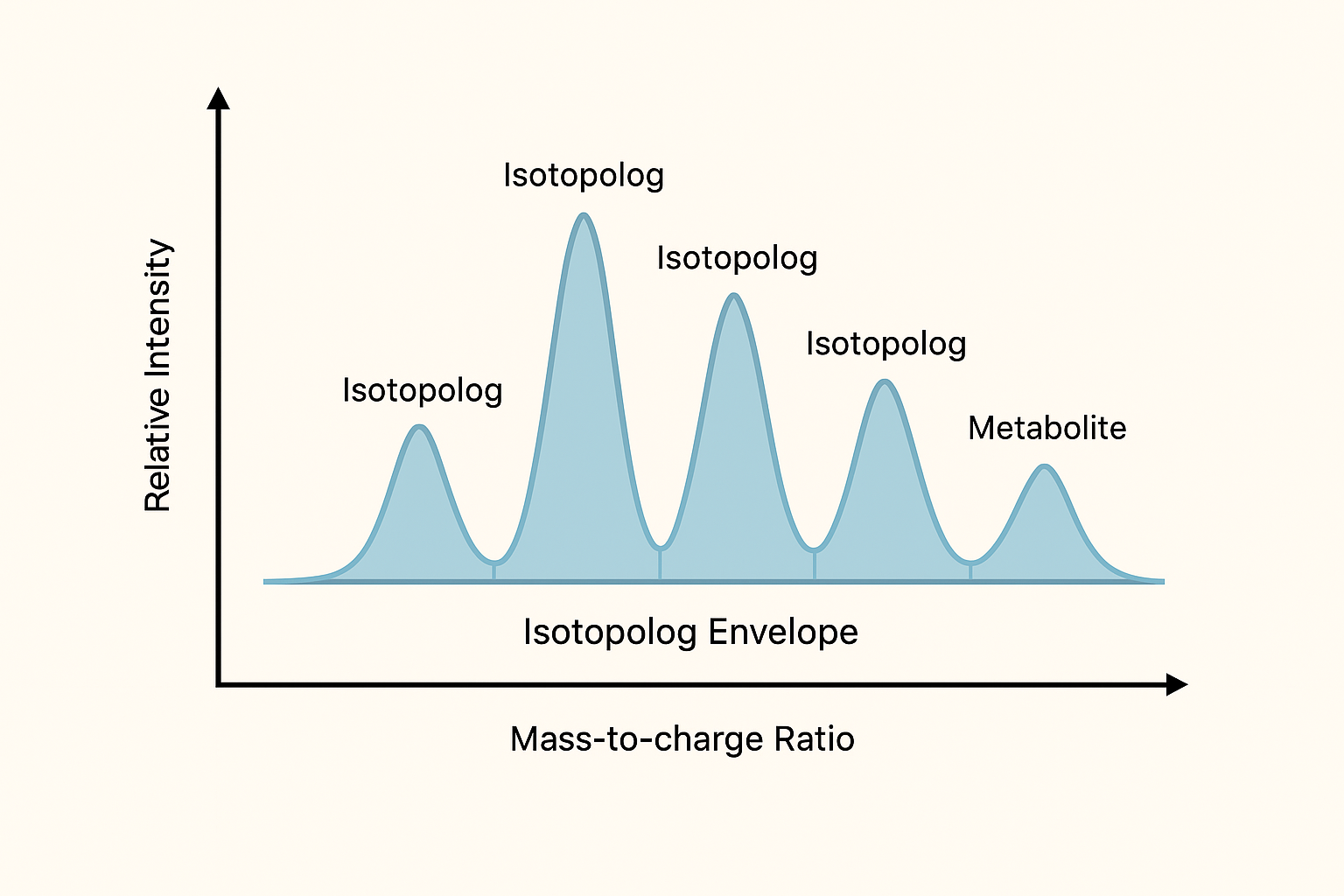
Graph of isotopolog envelope showing mass spectrometry peaks for metabolomics analysis.

What Is an Isotopolog Envelope and Why It Matters in Metabolomics

In the world of metabolomics and mass spectrometry, accurate data interpretation is everything. Scientists often face the challenge of distinguishing real biological signals from noise, artifacts, or experimental variations.

This is where the isotopolog envelope becomes crucial. By understanding and analyzing isotopolog envelopes, researchers can gain greater precision in metabolite detection, improve reproducibility, and draw more reliable conclusions from complex biological samples.

This blog will guide you through the basics of isotopolog envelopes, their role in metabolomics, and why they matter for accurate research outcomes.

What Is an Isotopolog Envelope? An isotopolog refers to molecules that differ only in the isotopic composition of their atoms.

For example, carbon can exist as either carbon-12 (^12C) or carbon-13 (^13C). When a molecule contains different isotopes, it creates variations known as isotopologs.

When...

Phytochemical Standards in Laboratory Research

Why Phytochemical Standards Are Essential in Quality Control and Drug Discovery

In the rapidly evolving world of pharmaceuticals, nutraceuticals, and natural product research, the ability to accurately identify, measure, and reproduce findings is critical.

At the center of this precision lies phytochemical standards the reference compounds that help scientists ensure consistency, accuracy, and reliability in testing plant-based materials.

Whether developing new drugs, testing herbal supplements, or advancing research in metabolomics, phytochemical standards play a vital role in quality control and discovery.

In this article, we’ll explore why they matter, how they’re used, and the future of natural compound analysis. What Are Phytochemical Standards?

Phytochemicals are bioactive compounds naturally found in plants—such as flavonoids, alkaloids, terpenes, and phenolic acids—that often hold therapeutic properties. However, the sheer diversity and complexity of these compounds make them challenging to analyze.

This is where phytochemical standards...

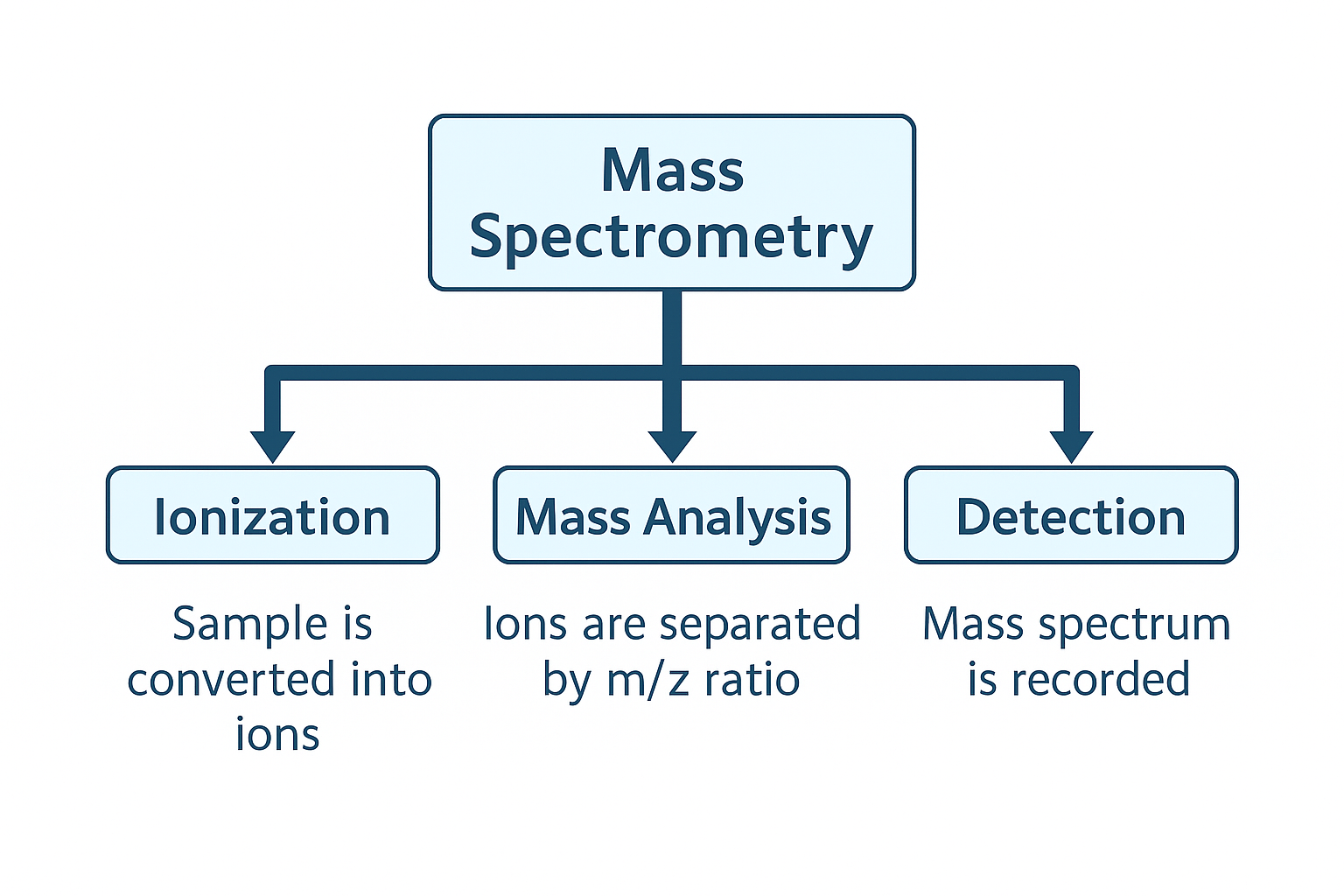
Abstract illustration of the mass spectrometry process showing ionization, mass analysis, and detection in a clean flow diagram style.

Understanding the Basics of Mass Spectrometry for Spectral Libraries

Mass spectrometry has become one of the most powerful analytical tools in modern science. Whether you’re studying metabolites, proteins, or complex mixtures, this technique allows researchers to identify and quantify compounds with incredible accuracy.

But before diving into advanced applications, it’s important to understand the basics of mass spectrometry—and how spectral libraries make this tool even more valuable in fields like metabolomics, pharmaceuticals, and clinical research.

In this article, we’ll explore how mass spectrometry works, why spectral libraries are essential, and how researchers can use them to accelerate scientific discovery.

What Is Mass Spectrometry? At its core, mass spectrometry (MS) is an analytical technique used to measure the mass-to-charge ratio of ions.

By doing this, scientists can determine the molecular weight and structure of compounds in a sample. The workflow...