
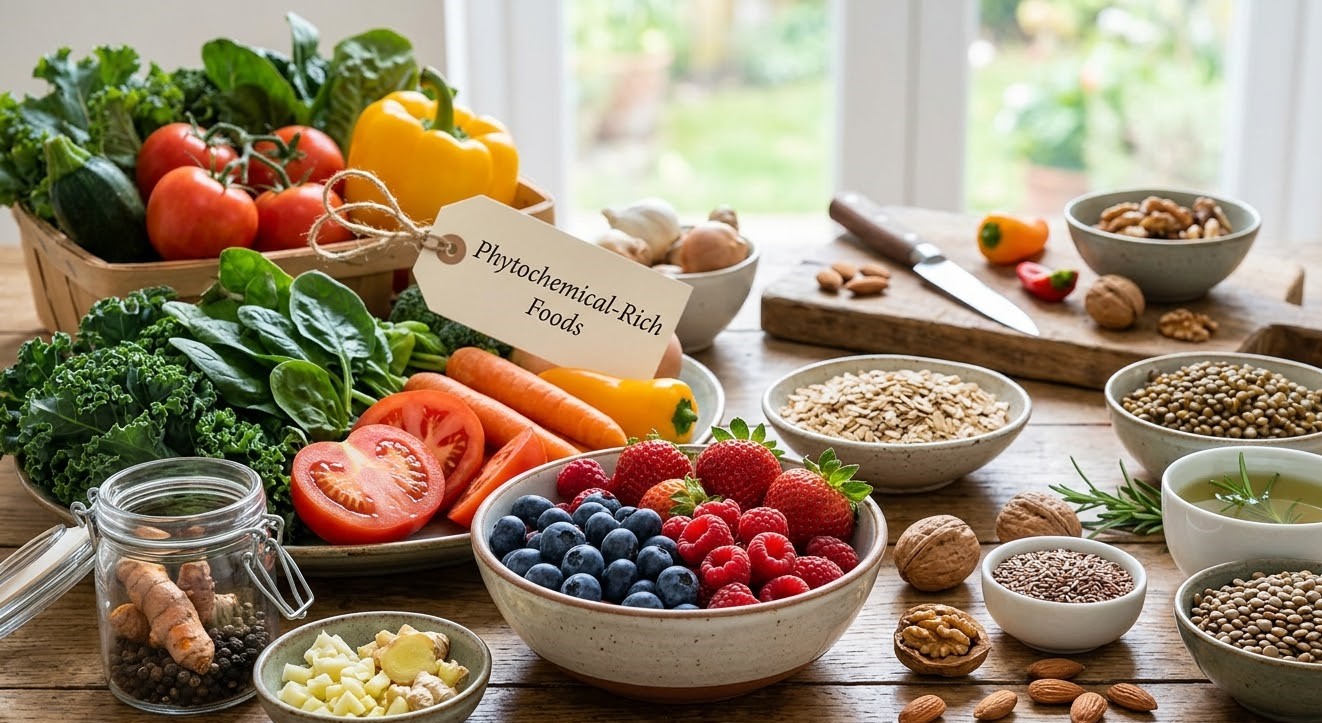
Phytochemical compounds are natural chemicals produced by plants that offer more than color, flavor, and aroma—they play an important role in human health. Growing evidence links these plant-derived molecules to improved immune function and increased longevity. In this article, we’ll explore how phytochemical compounds work, which foods are richest in them, practical ways to include them in your diet, and what the science says about their long-term benefits. This post is brought to you by IROA Technologies.
What Are Phytochemical Compounds?
Phytochemical compounds (often simply called phytochemicals) are bioactive compounds found in fruits, vegetables, herbs, seeds, and whole grains. Unlike vitamins or minerals, phytochemicals are not classified as essential nutrients, yet they influence bodily systems in powerful ways. Common categories include flavonoids, carotenoids, polyphenols, glucosinolates, and alkaloids—each with unique biological effects.
How They Support the Immune System
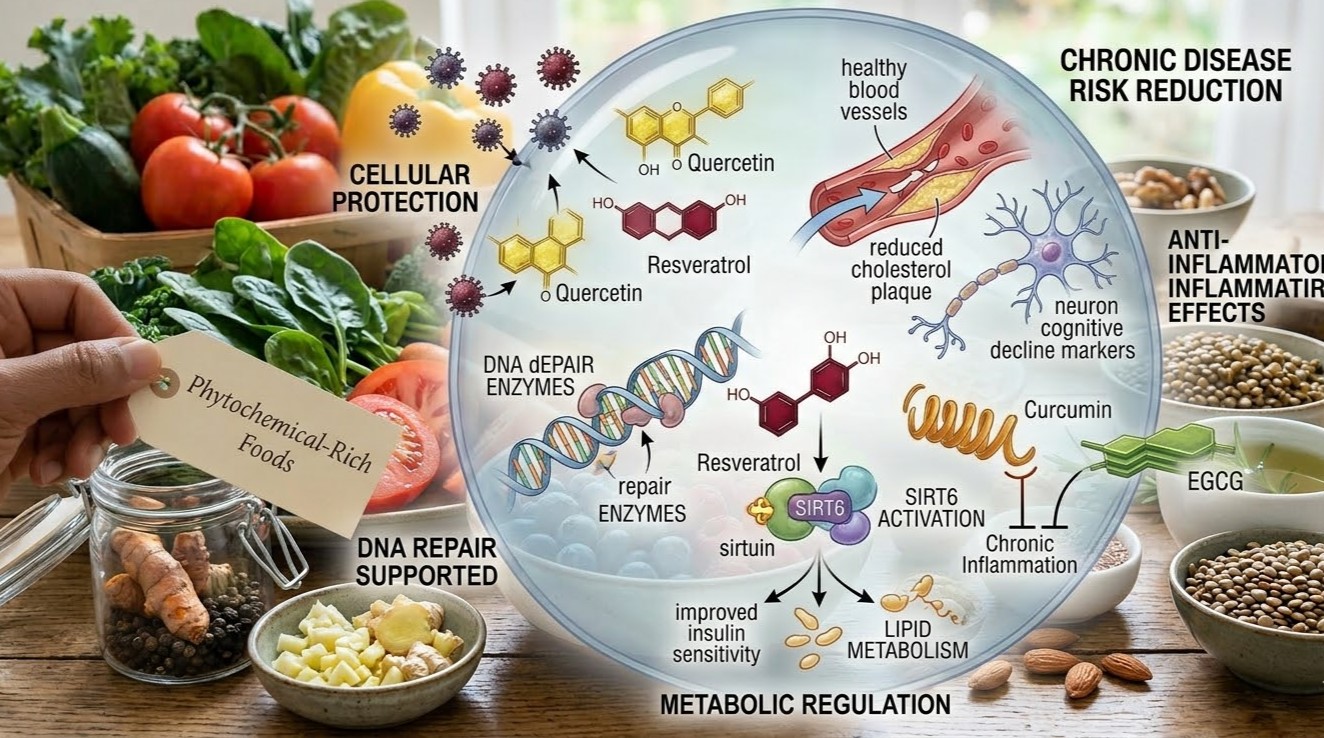
- Antioxidant ProtectionMany phytochemicals act as antioxidants, neutralizing free radicals that can damage cells and compromise immune function. Free radical accumulation leads to oxidative stress, which impairs immune cells and increases susceptibility to infections. Compounds such as quercetin (a flavonoid) and resveratrol (a stilbenoid) help protect immune cells from oxidative damage and preserve their function.
- Anti-Inflammatory ActionChronic, low-grade inflammation undermines immunity and contributes to age-related diseases. Several phytochemicals modulate inflammatory pathways, reducing the production of pro-inflammatory cytokines. For example, curcumin from turmeric and epigallocatechin gallate (EGCG) from green tea can down-regulate inflammatory signals, helping the immune system respond appropriately without tipping into harmful overactivation.
- Enhancing Innate and Adaptive ResponsesCertain phytochemicals influence both innate (first-line) and adaptive (long-term) immune responses. Beta-glucans from oats and mushrooms can prime innate immune cells such as macrophages and natural killer cells. Other compounds support adaptive immunity by improving the activity and survival of T and B lymphocytes, which are crucial for targeted responses and immune memory.
- Supporting Gut Health and Immune RegulationA large portion of the immune system resides in the gut. Many phytochemical-rich foods are also high in fiber and act as prebiotics, feeding beneficial gut microbes. These microbes metabolize phytochemicals into bioactive metabolites that further influence immune cells and systemic inflammation. A balanced gut microbiome therefore creates a healthier immune environment.
How They Contribute to Longevity
- Cellular Protection and DNA RepairPhytochemicals help protect cellular components, including DNA, from damage. By reducing oxidative stress and supporting repair mechanisms, plant compounds can slow the accumulation of cellular damage that drives aging. Carotenoids like lutein and astaxanthin, and polyphenols such as catechins, are often cited for their protective effects at the cellular level.
- Metabolic Regulation and Healthy AgingMany phytochemicals influence metabolic pathways linked to longevity, including insulin sensitivity, lipid metabolism, and mitochondrial function. Compounds like resveratrol have been shown in laboratory models to activate pathways associated with caloric restriction and lifespan extension, such as sirtuins and AMPK, which support efficient energy use and cellular maintenance.
- Reducing Age-Related Chronic Disease RiskChronic diseases—including cardiovascular disease, diabetes, and neurodegeneration—shorten lifespan and reduce quality of life. Diets rich in phytochemical-containing foods are consistently associated with a lower risk of these conditions. For example, diets high in fruits, vegetables, nuts, and whole grains correlate with reduced incidence of heart disease and cognitive decline, likely due in part to phytochemical effects on inflammation, cholesterol, and vascular health.

Best Food Sources and Practical Tips
- Colorful Fruits and VegetablesEat a rainbow of berries, leafy greens, beets, carrots, tomatoes, bell peppers, and citrus fruits. Bright colors usually indicate diverse phytochemical content.
- Whole Grains, Legumes, and NutsOats, barley, beans, lentils, almonds, and walnuts provide polyphenols and other beneficial compounds alongside fiber and healthy fats.
- Herbs, Spices, and TeasTurmeric, ginger, garlic, rosemary, green tea, and black tea contain concentrated phytochemicals. Including these regularly adds both flavor and health benefits.
- Fermented Foods and MushroomsFermented vegetables and medicinal mushrooms not only supply phytochemicals but also support beneficial gut microbes that help unlock their health benefits.
- Cooking and Preparation TipsMost phytochemicals are best obtained from whole foods. Light cooking can increase the bioavailability of some compounds, such as lycopene from tomatoes, while excessive heat may degrade others. Combine fat-soluble phytochemicals with healthy fats like olive oil or avocado to improve absorption.
What the Science Says
Epidemiological studies consistently show that diets high in plant-based, phytochemical-rich foods are linked to lower rates of chronic disease and improved markers of healthy aging. Clinical trials and mechanistic studies provide plausible biological explanations—including antioxidant, anti-inflammatory, metabolic, and gut-mediated effects—although the complexity of whole diets makes it difficult to attribute benefits to individual compounds. Researchers increasingly emphasize healthy dietary patterns, such as the Mediterranean, DASH, and plant-forward diets, rather than isolated supplements.
For an accessible overview of recent findings on plant compounds and health, see this review from a reputable source:
https://www.ncbi.nlm.nih.gov/pmc/articles/PMC/
Frequently Asked Questions (FAQs)
1. Are phytochemical supplements as good as eating whole foods?
Whole foods are generally preferable because they provide a complex mix of phytochemicals, fiber, vitamins, and minerals that work together. Supplements may be useful in specific cases but cannot fully replicate the benefits of whole foods and may carry risks when taken in high doses.
2. How much phytochemical-rich food should I eat daily?
Aim for at least 5–9 servings of fruits and vegetables each day, along with regular consumption of whole grains, nuts, and legumes. Variety is more important than relying on a single “superfood.”
3. Can phytochemicals prevent disease entirely?
No single nutrient or compound guarantees disease prevention. Phytochemicals contribute to lower disease risk when they are part of an overall healthy lifestyle that includes regular physical activity, quality sleep, stress management, and avoiding tobacco.
4. Are there any side effects?
Most phytochemical-rich foods are safe when consumed as part of a balanced diet. However, concentrated extracts or supplements may interact with medications or cause adverse effects. Consult a healthcare provider if you take prescription medications or have specific health conditions.