QuantitativeAnalysis

Browse all articles filed under the "QuantitativeAnalysis" tag.

How-Bile-Acid-Molecules-for-Research-Support-Breakthroughs-in-Drug-Discovery

Showing 1–6 of 6 articles

How-Bile-Acid-Molecules-for-Research-Support-Breakthroughs-in-Drug-Discovery

How Bile Acid Molecules for Research Support Breakthroughs in Drug Discovery

Drug discovery rarely follows a straight line. It’s more like solving a massive biological puzzle, one where every small molecule can reveal an entirely new piece of the picture.

Among these molecules, bile acids have quietly emerged as powerful research tools that are transforming how scientists understand metabolism, disease pathways, and therapeutic development.

For years, bile acids were seen mainly as digestive helpers. Today, researchers recognize them as complex signaling molecules that influence everything from liver health to immune response and even the gut–brain connection.

This shift in perspective has elevated the importance of bile acid molecules for research, positioning them at the forefront of modern pharmaceutical innovation.

So, how exactly are these naturally occurring compounds helping scientists unlock new treatments? Let’s break it down in plain, human language.

Understanding...

How Bile Acids Research Drives Innovation in Drug Discovery

How Bile Acids Research Drives Innovation in Drug Discovery

Drug discovery has always been a complex, high-stakes process. From identifying a promising biological target to developing a safe and effective therapy, the journey can take years sometimes decades with no guarantee of success.

In recent years, however, one area of science has been quietly transforming how researchers understand disease mechanisms and identify new therapeutic opportunities: bile acids research.

Once thought of simply as digestive agents, bile acids are now recognized as powerful signaling molecules that influence metabolism, immunity, inflammation, and cellular communication.

This expanded understanding has positioned bile acids at the intersection of biology and pharmacology, making them highly relevant to modern drug discovery strategies.

At IROA Technologies, we support researchers working at the cutting edge of metabolomics and systems biology. In this blog, we explore how bile acids...

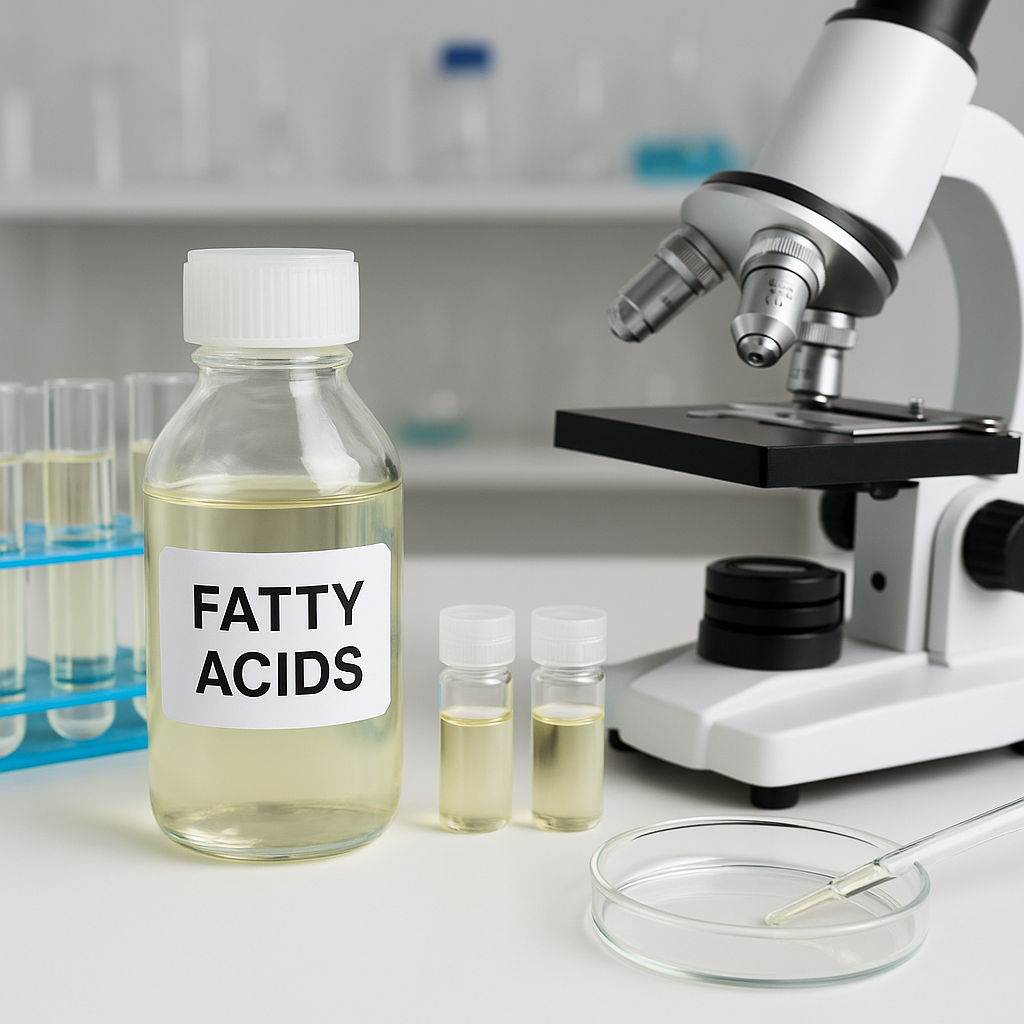
Laboratory vials labeled “Fatty Acids Unsaturated Kit” beside a molecular model with chromatography graphs in the background.

How the Fatty Acids Unsaturated Kit Enhances Accuracy in Lipid Profiling

In the world of analytical chemistry and metabolomics, precision and reproducibility are essential. Lipid profiling—analyzing the composition, concentration, and variation of lipids in biological systems—plays a critical role in understanding metabolism, disease mechanisms, and nutritional science.

However, accurately quantifying and identifying fatty acids remains one of the most challenging tasks due to the complexity of lipid structures and variations in saturation levels.

That’s where the fatty acids unsaturated kit becomes invaluable. Designed to simplify and standardize the analysis process, this specialized kit ensures consistent, high-quality results that empower researchers to generate reliable lipidomic data.

Let’s explore how this tool enhances analytical accuracy and contributes to advancing modern metabolomics and lipid research. Understanding Lipid Profiling Lipid profiling (or lipidomics) is a branch of metabolomics that focuses on the identification and quantification...

Laboratory kit with vials, molecular model, and chemical structures representing fatty acids unsaturated kit for metabolomics research

Why the Fatty Acid Standards Library Matters in Modern Metabolomics

Metabolomics has become one of the most dynamic fields in life sciences, offering a window into the biochemical fingerprints of living systems.

From identifying disease biomarkers to tracking therapeutic responses, metabolomics provides insights that can shape the future of healthcare, nutrition, and personalized medicine.

At the heart of accurate metabolomics research lies a fundamental resource: the fatty acid standards library. This article explores why the fatty acid standards library is essential for modern metabolomics, how it supports research accuracy, and the impact it has on advancing discovery in health, agriculture, and environmental science.

Understanding Fatty Acids in Metabolomics Fatty acids are core building blocks of biological systems. They: Act as components of cell membranes Serve as energy sources through β-oxidation Function as signaling molecules in inflammation and metabolic regulation Given...

How Fatty Acid Standards Improve Accuracy in Analytical Testing

In scientific research and analytical laboratories, precision is non-negotiable. From food quality control to biomedical studies, the reliability of results depends heavily on using accurate measurement references.

Among the many tools researchers rely on, fatty acid standards play a critical role in ensuring analytical consistency and validity. At IROA Technologies, we understand that high-quality standards are not just an accessory—they are the foundation of reproducible science.

In this article, we’ll explore what fatty acid standards are, why they matter, and how they can elevate analytical testing to new levels of accuracy.

1. What Are Fatty Acid Standards? Fatty acid standards are high-purity reference materials containing known compositions and concentrations of specific fatty acids.

They serve as benchmarks for identifying and quantifying fatty acids in biological, food, environmental, and industrial samples. These standards...

Why Mass Spectrometry Reference Standards Are Essential for Accurate Results

Mass spectrometry (MS) has transformed the way we understand complex biological systems, identify disease biomarkers, analyze environmental samples, and ensure pharmaceutical quality.

But the accuracy and reliability of MS results don’t solely depend on the instrument itself. One crucial—yet often overlooked—component is the use of mass spectrometry reference standards.

These standards are the foundation for reproducible, credible, and traceable MS data across laboratories, experiments, and industries. In this blog, we’ll explore why mass spectrometry reference standards are essential for achieving accurate results and how they support everything from scientific discovery to regulatory compliance.

What Are Mass Spectrometry Reference Standards? Mass spectrometry reference standards are well-characterized compounds with known purity, structure, and mass that serve as benchmarks during MS analysis.

These standards help calibrate instruments, validate methods, and confirm the identity...