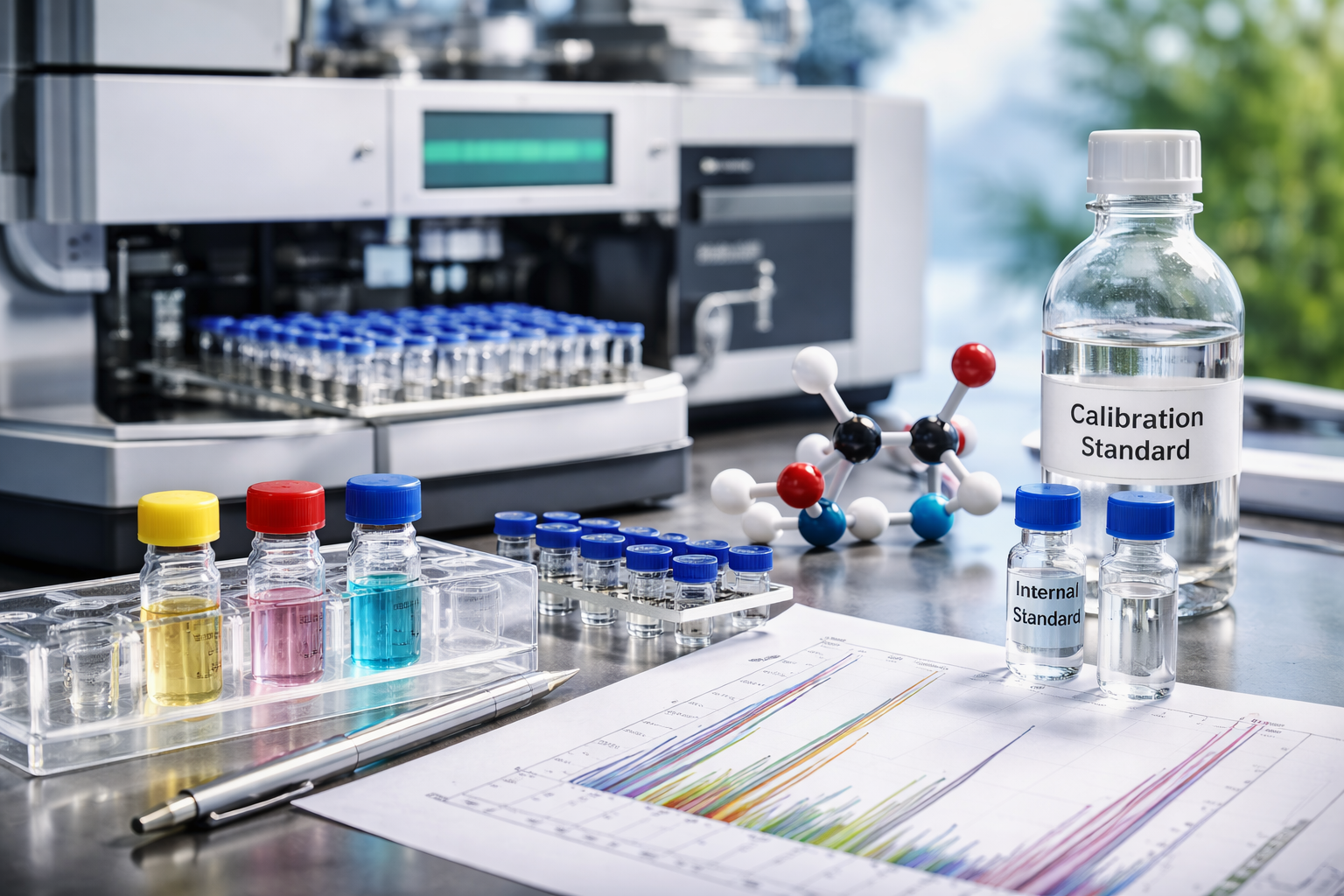
Understanding Mass Spectrometry Standards for Reliable Analytical Results
In modern analytical laboratories, precision is not optional—it is the foundation of credible science, regulatory compliance, and product quality. From pharmaceutical development and clinical research to food safety, environmental monitoring, and metabolomics, laboratories rely on mass spectrometry to identify, quantify, and characterize complex chemical compounds with exceptional sensitivity.
However, even the most advanced instruments cannot deliver trustworthy results without proper calibration, validation, and quality control. This is where analytical standards play a decisive role.
Mass spectrometry standards provide the reference framework that ensures instruments produce accurate, reproducible, and defensible data. For laboratories striving to maintain consistency across workflows, understanding how standards function and how to implement them effectively is essential.
Companies such as IROA Technologies contribute to this ecosystem by delivering innovative solutions that help laboratories improve confidence in complex...